





In our quest for wellness, some of the most effective tools are the simplest. Apanasana, a gentle and accessible yoga pose, is a perfect example, offering profound release and relaxation with minimal effort when done correctly.
Understanding Apanasana's Purpose
Apanasana, commonly known
as the 'Knees-to-Chest' or 'Wind-Relieving Pose', holds a clue to its function in its Sanskrit name. It is designed to work with 'Apana Vayu', which in yogic philosophy refers to the downward and outward flow of energy in the body. This energy governs processes of elimination, both physically and subtly, helping to release what no longer serves us. Physically, this translates to aiding digestion and relieving gas and bloating. Mentally, the pose encourages a sense of grounding and letting go of stress and emotional tension, making it a deeply restorative posture.
The Core Benefits of This Gentle Pose
The primary benefit praised by practitioners is its ability to alleviate lower back pain by gently stretching the lumbar spine and stabilizing the pelvis. The gentle compression on the abdomen massages the internal digestive organs, which can improve digestion and relieve issues like constipation and bloating. This massaging action is also thought to help with menstrual discomfort. Beyond the physical, Apanasana is incredibly calming for the nervous system. By coordinating the movement with slow, steady breathing, it can help reduce feelings of anxiety and promote mental clarity, making it an excellent pose to practice before sleep or during a stressful day.
A Step-by-Step Guide to Apanasana
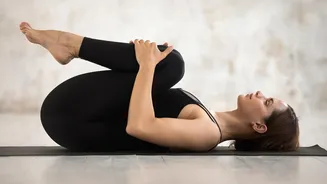
Finding comfort in this pose is simple. Start by lying flat on your back on a comfortable surface like a yoga mat. Keep your legs extended initially and take a few breaths to settle. On an exhalation, gently bend your knees and draw them in towards your chest. Wrap your hands around your shins, just below the knees, or clasp the backs of your thighs if that feels more accessible. Keep your head and shoulders relaxed on the floor. With each exhale, you can gently guide your thighs a little closer to your abdomen, but without any force. Hold the pose for anywhere from 30 seconds to a few minutes, breathing deeply and evenly. To release, gently lower your feet back to the floor on an exhale.
Release Without Straining: Common Mistakes
The key to Apanasana is 'release', not 'force'. A common mistake is pulling too aggressively on the knees, which can strain the joints or the lower back. Let gravity do most of the work. Another frequent error is lifting the head and shoulders off the mat in an effort to bring the knees closer. This creates tension in the neck and defeats the pose's grounding purpose. Your upper body should remain heavy and relaxed. Also, be mindful of your breath. Holding your breath creates tension throughout the body; maintain a slow, rhythmic breath to deepen the relaxation. The goal is not to bring your knees to your chest at all costs, but to find a gentle compression and release in the lower back.
Helpful Modifications and Variations
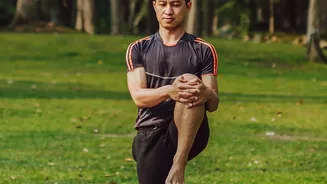
Apanasana is wonderfully adaptable. If you have significant lower back pain or feel a strain with both legs extended, start with your knees bent and feet flat on the floor before drawing one knee in at a time. This variation, known as Ardha Apanasana (Half Wind-Relieving Pose), allows you to focus on one side of the lower back at a time. For those with larger bodies or during early pregnancy, widening the knees towards the outside of your ribcage can create more space for the belly. If reaching your shins is difficult, you can loop a yoga strap or a towel around your thighs to gently guide them closer without straining your arms or shoulders. For a more restorative version, placing a folded blanket under your hips can provide extra support and deepen the release.