




From Kitchen Byproduct to Wellness Star
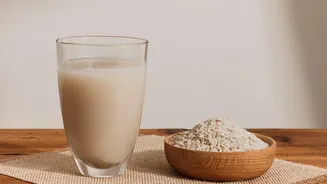
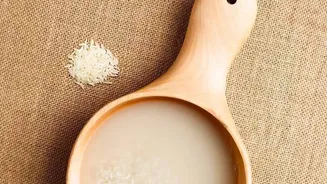
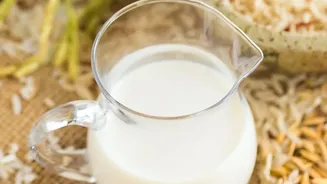
At its core, fermented rice water is simply the liquid left over after soaking or cooking rice, which is then left to ferment at room temperature for anywhere from 12 hours to a couple of days. This process allows naturally present yeasts and bacteria
to break down the starches in the rice, transforming the water into a tangy, probiotic-rich liquid. In India, where it is known by names like 'Kanji' or 'Neeraagaaram', it's a traditional method of using leftover rice and has been consumed for generations. The result is a beverage teeming with live microorganisms, which is what has captured the attention of modern wellness enthusiasts looking for natural ways to support their digestive health.
An Ancient Tradition Reimagined
Long before it became a social media trend, fermented rice water was a staple in many Asian households, particularly in India and Southeast Asia. Traditionally, it was valued not just for its potential digestive benefits but also as a cooling, hydrating drink in hot climates. Often consumed in the morning, this simple preparation was seen as a way to soothe the stomach, prevent issues like bloating, and provide a gentle energy boost. Its use wasn't just internal; different forms of rice water have also been used for centuries in hair and skin care rituals. This long history gives the trend a foundation in traditional food wisdom, suggesting its benefits were observed long before the term 'probiotic' entered our vocabulary.
The Gut Health Claims Explained
The central claim made by wellness creators is that fermented rice water is a powerful natural probiotic that can transform gut health. Probiotics are beneficial live bacteria that help maintain a healthy balance in your gut microbiome. A balanced microbiome is crucial for proper digestion, nutrient absorption, and a strong immune system. The fermentation process fosters the growth of these good bacteria, such as Lactobacillus. By consuming the beverage, the idea is that you are directly supplementing your gut with these beneficial microbes, which can help reduce inflammation, ease constipation, and improve overall digestive function. Some studies note fermentation also enhances the bioavailability of nutrients like iron, calcium, and B vitamins, making them easier for the body to absorb.
Hype vs. Reality: What Does Science Say?
While the logic is sound—fermentation creates probiotics, and probiotics are good for the gut—the scientific evidence specifically for homemade fermented rice water is still emerging. While some studies on commercially produced fermented rice drinks using specific probiotic strains have shown benefits, such as reduced bloating in people with IBS, these are controlled products. The challenge with homemade versions is the lack of standardization. The types and amounts of beneficial bacteria can vary wildly depending on the rice, fermentation time, and temperature. While the drink likely does contain some probiotics, it's not a guarantee you're getting the specific, well-researched strains found in supplements or other fermented foods like yogurt and kefir. A systematic review noted that while rice water has been used traditionally for digestive health, strong scientific evidence for many of its modern claims remains limited.
Potential Risks and How to Be Safe
The biggest risk with any homemade fermentation is safety. If not prepared hygienically, the process can encourage the growth of harmful bacteria, not just beneficial ones. Signs that your fermented rice water has spoiled include a very strong, putrid sour smell or the appearance of visible mold. It's crucial to use clean containers and discard any batch that seems off. Furthermore, for those with sensitive stomachs or who are not used to fermented foods, introducing it too quickly could lead to digestive upset like gas or bloating. Experts advise starting with a small amount to see how your body reacts before making it a daily habit. While generally considered safe in moderation, it's not a magic cure-all and should be approached with mindful awareness.