

What is Jaggery Anyway?
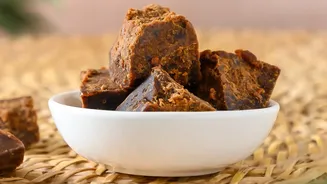
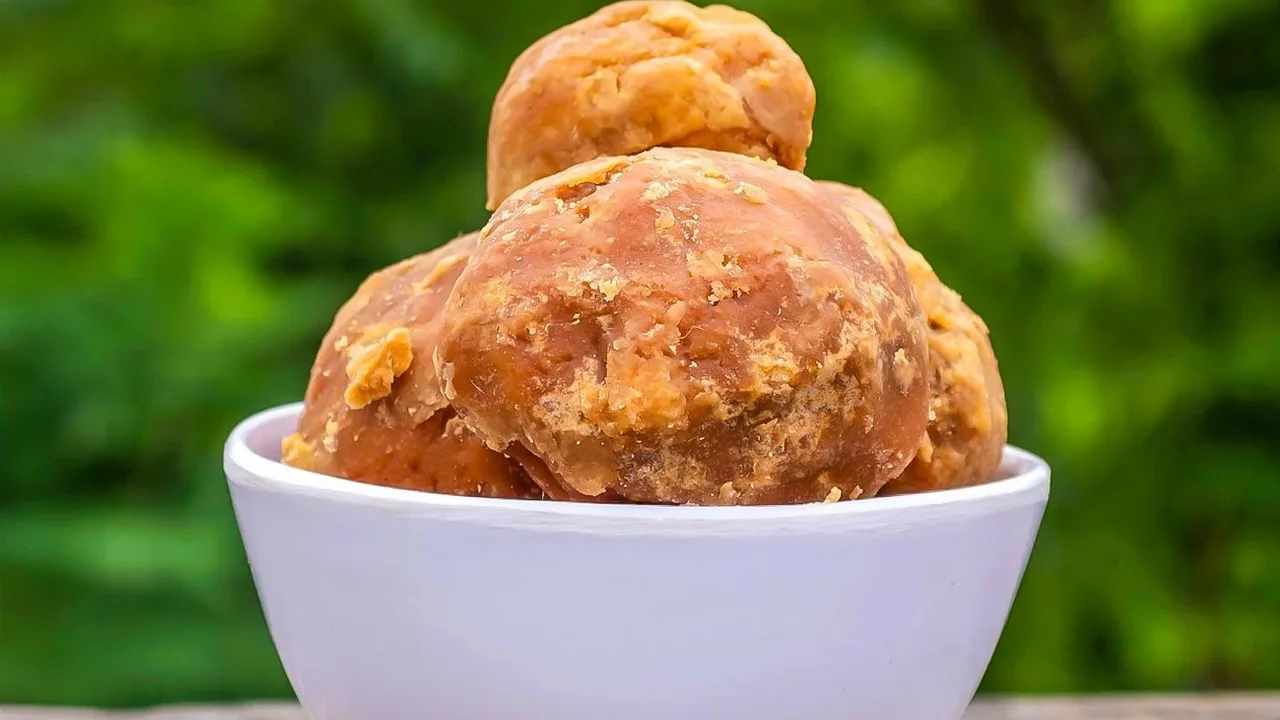
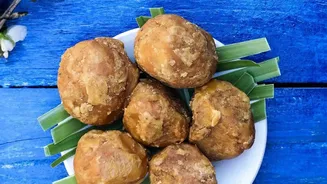
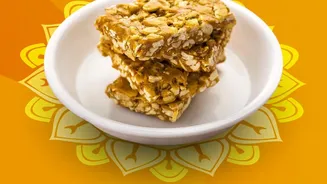
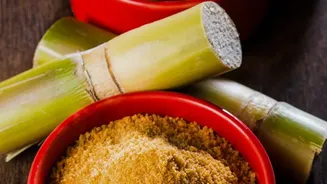
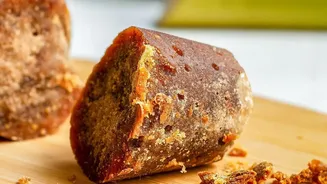
Jaggery, known as 'gur' in many parts of India, is an unrefined natural sweetener. Unlike white sugar, which is processed to become pure sucrose, jaggery is made by simply boiling down raw sugarcane juice or the sap from palm trees until it solidifies.
This minimal processing means it retains many of the minerals and vitamins found in the original plant source. The headline star, palm jaggery (or 'karupatti'), is derived specifically from the sap of palm trees like the palmyra or date palm. It's typically darker and has a more complex, almost smoky flavour compared to the more common golden-brown sugarcane jaggery.
The Sweet Swap: Why Cooks Are Choosing Jaggery
The shift away from refined sugar is driven by a blend of health consciousness and a desire for more authentic flavours. While white sugar offers empty calories, jaggery contains trace amounts of essential minerals like iron, magnesium, potassium, and calcium. Palm jaggery is particularly noted for this mineral content. Proponents also point to jaggery's lower glycemic index compared to sugar, which means it may cause a slower, more gradual rise in blood sugar levels. Beyond health, there's the taste. Jaggery imparts a rich, caramel or toffee-like flavour that white sugar cannot replicate, adding depth and a distinctly Indian character to baked goods.
A Baker's Guide to Using Jaggery
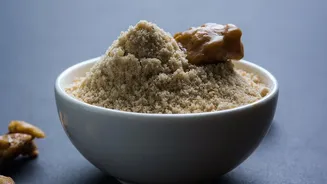
Swapping jaggery for sugar in your baking is simpler than you might think, but it requires a few adjustments. Jaggery is generally considered less sweet than refined sugar, so you may need to use slightly more to achieve the same level of sweetness; a common rule of thumb is to use about a quarter to a third more jaggery than sugar by volume. Jaggery also contains more moisture, which can result in denser, softer baked goods. This makes it fantastic for moist cakes and chewy cookies. For best results, it's often recommended to melt solid jaggery blocks into a syrup before incorporating them into your batter to ensure even distribution and remove any potential impurities. If you're using powdered jaggery, you can often substitute it 1:1 with brown sugar.
Choosing Your Jaggery: A Quick Primer
When you're at the store, you'll encounter a few different types. Sugarcane jaggery is the most common and versatile for everyday use. Palm jaggery, including date palm and palmyra varieties, offers a richer, more intense flavour and is often preferred for traditional sweets. The 'organic' label signifies that the sugarcane or palm was grown without chemical pesticides and that no chemicals were used during the boiling and clarification process. Good quality, pure jaggery often has a darker colour, which can indicate a higher mineral and molasses content and less processing.
Tips for Your First Jaggery Bake
Ready to give it a try? Start with a forgiving recipe, like a simple banana bread, teacake, or a batch of oatmeal cookies. These recipes are adaptable and the flavour of jaggery pairs beautifully with spices like cinnamon, ginger, and cardamom. Remember that jaggery will give your bakes a darker, more rustic colour than white sugar. Don't be afraid to experiment. Use it to make a simple jam, sweeten your morning porridge, or create a glaze for roasted vegetables. Exploring jaggery is not just about replacing an ingredient; it's about connecting with a traditional foodway and discovering a new world of flavour in your own kitchen.