





The New Space Race: From National Prestige to Profit
For decades, space was the domain of superpowers, a frontier for national pride and scientific discovery funded by taxpayers. Today, the landscape has fundamentally changed. The new space race is commercial, driven by entrepreneurs and venture capitalists
who see opportunity in the cosmos. [4, 11] Companies like SpaceX, Blue Origin, and Virgin Galactic have become household names, but they are just the most visible players in a bustling ecosystem. [5] This shift from a government-led model to a diversified, competitive market has injected a new dynamism into the industry, fostering rapid advancements and expanding the definition of what's possible. [4, 6] Private firms are not just launching rockets; they are building a sustainable space economy, from satellite internet constellations to plans for in-space manufacturing and asteroid mining. [2]
The Reusability Revolution: Slashing the Cost to Orbit
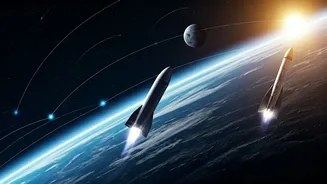
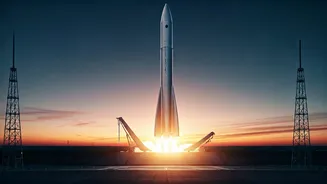
Perhaps the single most important innovation driven by the private sector is reusability. [14] SpaceX’s Falcon 9 rocket, with its ability to land and be reflown, has revolutionized the economics of space access. [2] By dramatically reducing the cost of launching payloads, reusability has democratized space. [4, 5] What was once prohibitively expensive is now feasible for a wider range of players, including universities, smaller countries, and a growing number of startups. [5, 6] This has led to a surge in satellite deployments, particularly large constellations like Starlink that aim to provide global internet coverage. [2, 16] The success of the Falcon 9 has spurred a global effort, with companies in Europe, China, and Japan, as well as other U.S. firms like Rocket Lab and Blue Origin, all developing their own reusable rocket technologies. [14, 22] The ultimate goal is full reusability, as seen with the development of SpaceX's Starship, which could cut launch costs by 90% or more. [26, 28]
An Ecosystem of Innovation: Beyond the Launchpad
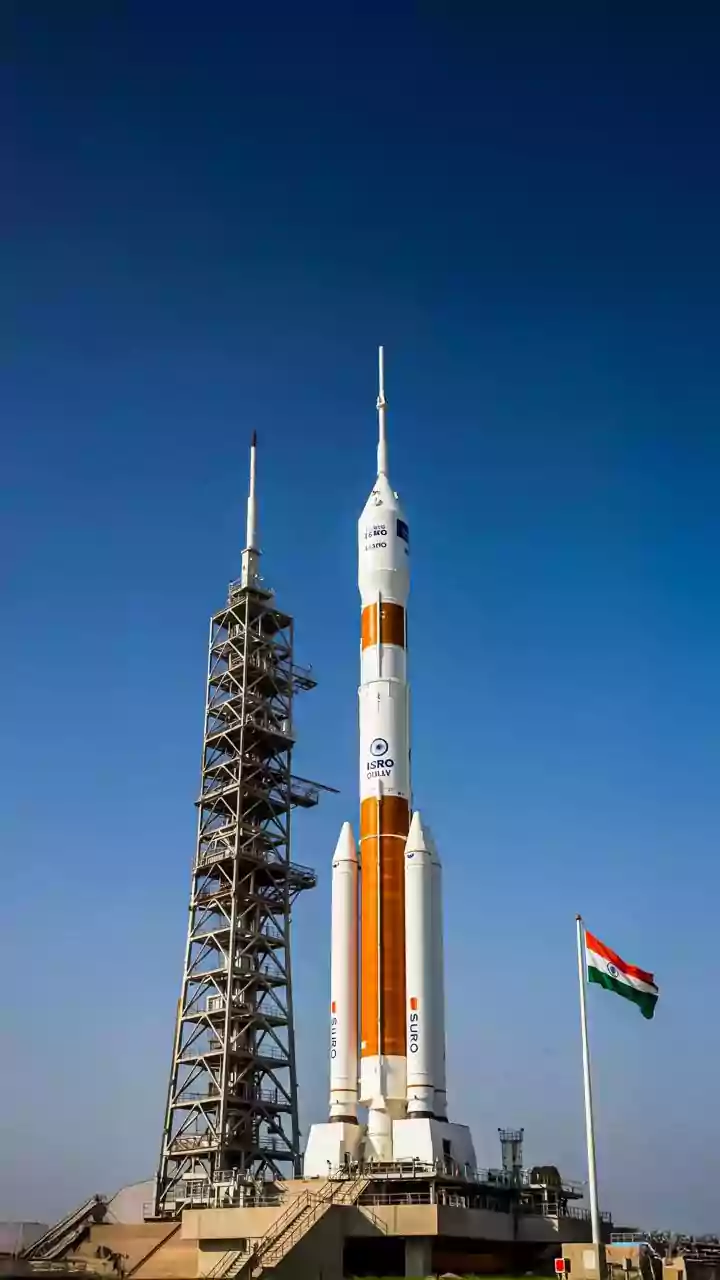
The impact of private missions extends far beyond launch vehicles. A vibrant startup scene, backed by significant venture capital investment, is tackling a wide array of challenges. [7, 10, 12] Companies are developing technologies for in-orbit satellite servicing, debris removal, and even space-based manufacturing and data centers. [2, 26, 29] In India, a burgeoning private space sector is making its mark, with over 400 startups as of early 2026. [21, 25] Companies like Skyroot Aerospace, with its Vikram series of rockets, and Agnikul Cosmos, known for its 3D-printed engines, are driving down costs and increasing launch frequency for small satellites. [19, 23] This growth is supported by government initiatives like IN-SPACe, designed to facilitate private participation and provide access to ISRO's infrastructure. [18, 19, 23]
To the Moon and Beyond: Public-Private Partnerships
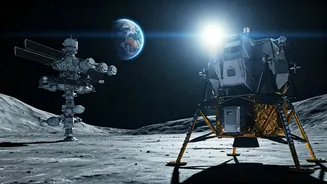
Rather than replacing government agencies, the new private space industry is collaborating with them in powerful ways. A prime example is NASA's Commercial Lunar Payload Services (CLPS) program. [8] Under CLPS, NASA doesn't build the lunar landers itself; instead, it buys delivery services from private companies like Intuitive Machines and Firefly Aerospace. [8, 20] This approach has already resulted in the first-ever commercial landing on the Moon in 2024 and a series of subsequent missions carrying scientific and technology payloads. [8, 9, 15] By acting as a reliable customer, NASA is helping to nurture a commercial marketplace for lunar services, accelerating the scientific exploration of the Moon and paving the way for the Artemis program's human missions. [15, 17] These partnerships combine the ambitious goals of public agencies with the agility and cost-efficiency of private enterprise. [5]