




What Exactly Is a Cooling Garden?
A cooling garden is more than just a collection of attractive plants; it’s a strategically designed green space intended to actively lower the ambient temperature of its immediate surroundings. This concept goes beyond simple aesthetics to tackle the 'urban
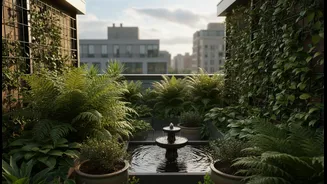
heat island' effect, where concrete and asphalt absorb and radiate heat, making city environments significantly warmer than rural areas. By leveraging the natural properties of plants, a cooling garden acts as a living air conditioner for your balcony, patio, or yard. The core idea is to use specific plants and design techniques to create shade, increase moisture in the air, and reduce the heat absorbed by surfaces like brick walls and paving stones. It’s a functional, eco-friendly approach to making your personal corner of the city a more pleasant place to be during hot weather.
The Science of Natural Air Conditioning
The cooling power of a garden comes from two main scientific principles: shading and evapotranspiration. Shading is the most straightforward benefit. Trees, large shrubs, and even trellises with climbing vines physically block sunlight, preventing it from heating up surfaces. Shaded areas can be dramatically cooler than those in direct sun. The second, more complex process is evapotranspiration. Plants absorb water through their roots and then release it as water vapor through tiny pores in their leaves. This process of evaporation requires energy, which it draws from the surrounding air in the form of heat. The result is a tangible drop in air temperature. A dense grouping of plants with high transpiration rates can create a microclimate that feels several degrees cooler than a nearby paved area.
Choosing Your Cooling Champion Plants
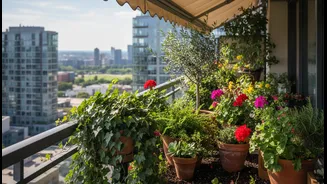
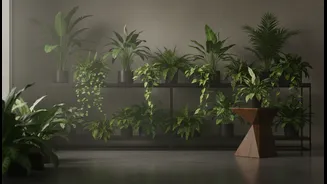
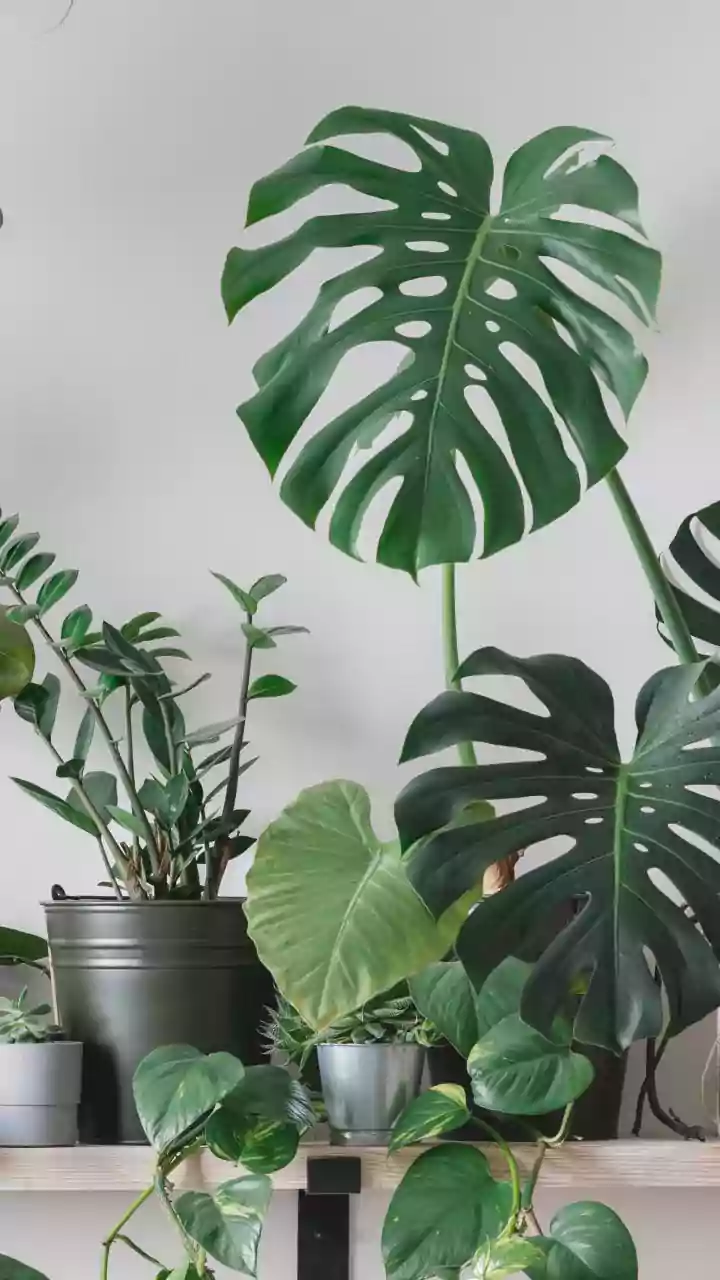
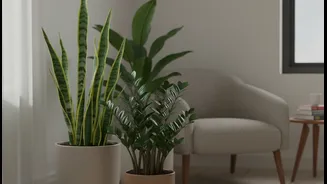
Not all plants are created equal when it comes to cooling power. The most effective ones generally have large leaves and a high rate of transpiration. For indoor or small balcony spaces, consider plants like the Snake Plant, which has a high water content and releases cool moisture into the air. The Rubber Plant and Ficus Benjamina (Weeping Fig) are also excellent choices due to their dense, broad foliage that is effective at transpiring. For outdoor gardens, palms are fantastic for both shade and creating a humidifying effect. Climbing vines such as honeysuckle or Virginia creeper can cover a hot, sun-facing wall, providing insulation and cooling. Planting deciduous trees like maple or oak on the south-facing side of your property can provide dense shade in the summer while allowing sunlight through in the winter.
Design and Layout for Maximum Effect
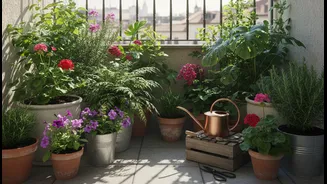
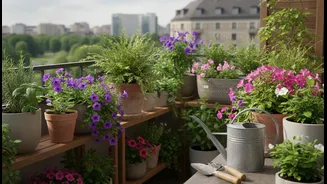
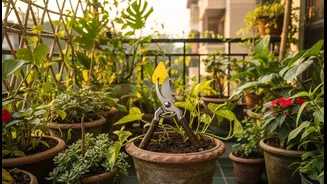
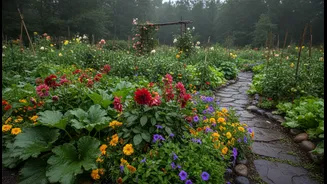
Strategic placement is key to a successful cooling garden. Start by identifying the hottest spots on your property, which are typically south- and west-facing areas that receive intense afternoon sun. This is where you should prioritize shade trees and tall shrubs. Layering your plantings—with tall trees, medium shrubs, and low groundcovers—mimics a natural forest floor, maximizing shade and keeping the soil cool and moist. Using mulch like wood chips or straw over bare soil is also crucial. Mulch insulates the soil, reducing heat absorption and retaining moisture, which in turn helps plants stay healthy and continue their cooling work. For balconies and patios, grouping several potted plants together can create a small, self-regulating ecosystem where they collectively increase local humidity.
Smart Watering and Other Cooling Elements
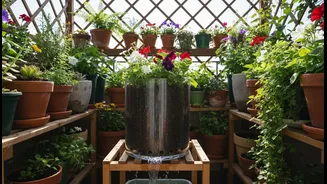
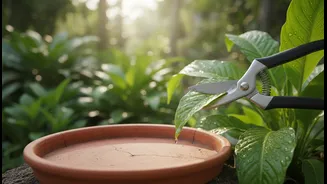
Since evapotranspiration relies on water, smart watering is essential. A dry, wilted plant cannot effectively transpire and cool the air. It's best to water early in the morning so the moisture has time to soak into the soil before the sun gets too strong. Drip irrigation systems are highly efficient, delivering water directly to the roots and minimizing waste. Beyond plants, incorporating a water feature like a small fountain or birdbath can enhance the cooling effect. As the water evaporates, it further cools the surrounding air, and the sound of trickling water adds a psychologically soothing element. Even simple changes, like choosing lighter-colored paving stones over dark asphalt, can help by reflecting sunlight instead of absorbing it.