



Why Your Usual Route Might Need a Rethink
The end of the monsoon is a magical time for travel in India. The air is clean, the dust has settled, and the landscape is painted in vibrant shades of green. However, the 2026 monsoon season has been erratic. Some regions have seen intense downpours
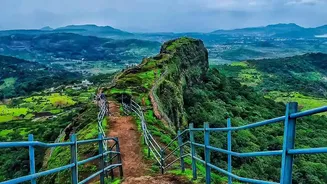
causing localised flooding and road damage, while others remain drier than usual. This means your go-to post-monsoon itinerary might need a timely update. A road that was perfect last year could be facing repairs, while a lesser-known alternative might now offer the smoothest, most scenic journey. For instance, recent reports from September 2026 indicate that while many major highways are open, specific ghat sections in Maharashtra and the Himalayas have faced temporary closures and landslide risks. It’s a year to check conditions on the ground and be open to discovering a new favourite drive.
1. The Refreshed Desert: Aravalli Hills in Rajasthan
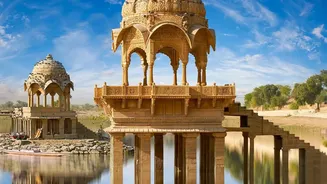
Typically associated with scorching heat, Rajasthan transforms after the rains. The Aravalli hills around Udaipur, Kumbhalgarh, and Mount Abu become surprisingly lush and green, offering a completely different perspective on the desert state. With lakes full and the weather becoming more pleasant, routes like Udaipur to Mount Abu are particularly scenic, with misty mountains and smooth roads. This period also sees fewer crowds at major attractions like the Kumbhalgarh Fort, allowing for a more peaceful exploration. While main highways like the Delhi-Jaipur route remain reliable, the post-monsoon season is ideal for exploring the state's interior, where the countryside is fresh and vibrant. Always check local advisories, but a drive through a green Rajasthan is an unexpected delight for 2026.
2. The Coastal Charm: Mumbai to the Konkan Coast
The classic Mumbai to Goa drive along NH-66 is a perennial favourite, but it has faced significant delays and ongoing construction issues in 2026. Instead of the full, potentially bumpy journey to Goa, consider a more focused trip exploring the northern Konkan coast. Routes from Mumbai or Pune towards coastal towns like Diveagar, Shrivardhan, and Guhaghar are reportedly in great shape. These drives offer the quintessential Konkan experience: winding roads, dense greenery, and sudden, stunning views of the Arabian Sea. This stretch allows you to enjoy the post-monsoon scenery without committing to the longer, more unpredictable sections of the highway further south. You get all the benefits—seafood stops, hidden beaches, and sea forts—with fewer of the logistical headaches reported this year.
3. The Southern Greenery: Exploring the Western Ghats
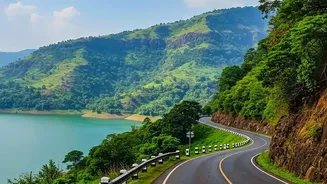
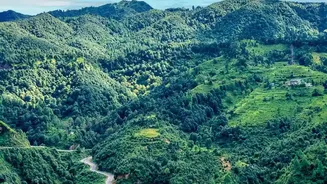
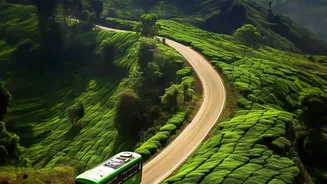
The Western Ghats are a paradise after the monsoon, turning an almost cinematic shade of green with countless waterfalls. While routes to popular spots like Lonavala and Mahabaleshwar are classic choices, consider exploring deeper into the ghats towards Coorg or Wayanad from Bangalore. The rains leave the hills, tea plantations, and backwaters exceptionally verdant. However, caution is advised. Recent weather forecasts for September 2026 have warned of heavy rain and strong winds in parts of the Western Ghats, particularly in the Nilgiris, which could make ghat roads slippery and reduce visibility. The key is to choose well-maintained highways and avoid smaller, more vulnerable roads after intense rainfall. A drive from Kochi to Munnar, for example, offers a serene journey through misty hills and rejuvenated landscapes.
4. The High-Altitude Window: Spiti Valley via Shimla
For the truly adventurous, the post-monsoon window in late September is one of the last and best times to tackle the high-altitude deserts of Spiti Valley. By this time, the harshest rains in the lower Himalayas have often subsided, but the high passes like Kunzum La are still clear of snow. The route from Shimla through Kinnaur to Kaza is breathtaking, taking you past apple orchards and dramatic river gorges. While access roads can be rough and weather-dependent, reports from early September 2026 indicated that roads in Lahaul and Spiti itself were largely clear, with damage concentrated in lower-lying districts like Kullu and Mandi. This route is not for the faint of heart and requires checking conditions daily, but it offers a rare opportunity to see the stark, beautiful landscapes before winter closes in.