


The Unavoidable Pinch at the Pump
The most significant driver behind this shift is the persistently high cost of fuel. With petrol prices hovering over ₹100 per litre in many cities, the impact on monthly household budgets is undeniable. For daily commuters, commercial users, and families
alike, the running cost of a vehicle is now a major financial consideration. This economic pressure has made buyers acutely aware of every kilometre per litre, influencing decisions in both the new and used car markets. The immediate effect of fuel price hikes is often a surge in interest for vehicles with lower running costs, pushing fuel economy to the top of the priority list for a majority of consumers.
A Regulatory Push from the Government
The Indian government is also playing a crucial role in steering the market towards greater efficiency. Policies like the Corporate Average Fuel Economy (CAFE) norms are compelling manufacturers to improve the overall mileage of their entire fleet of vehicles. The upcoming CAFE-3 norms, set to be implemented from April 2027, will progressively tighten these standards through 2032, requiring a significant improvement in average fuel efficiency. These regulations force automakers to invest in and promote more efficient technologies, including advanced petrol engines, hybrids, and electric vehicles (EVs), to meet their fleet-wide targets and avoid penalties. The government's goal is twofold: to reduce the nation's massive oil import bill and to cut down on vehicular emissions.
The Growing Appeal of Alternative Fuels
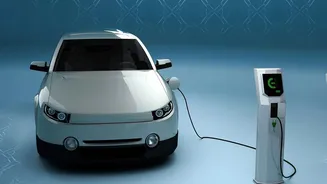
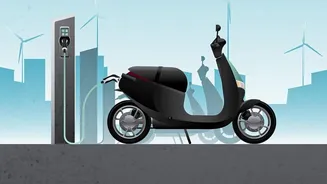
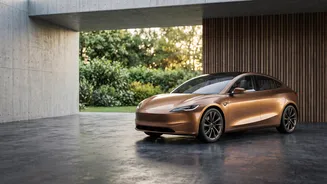
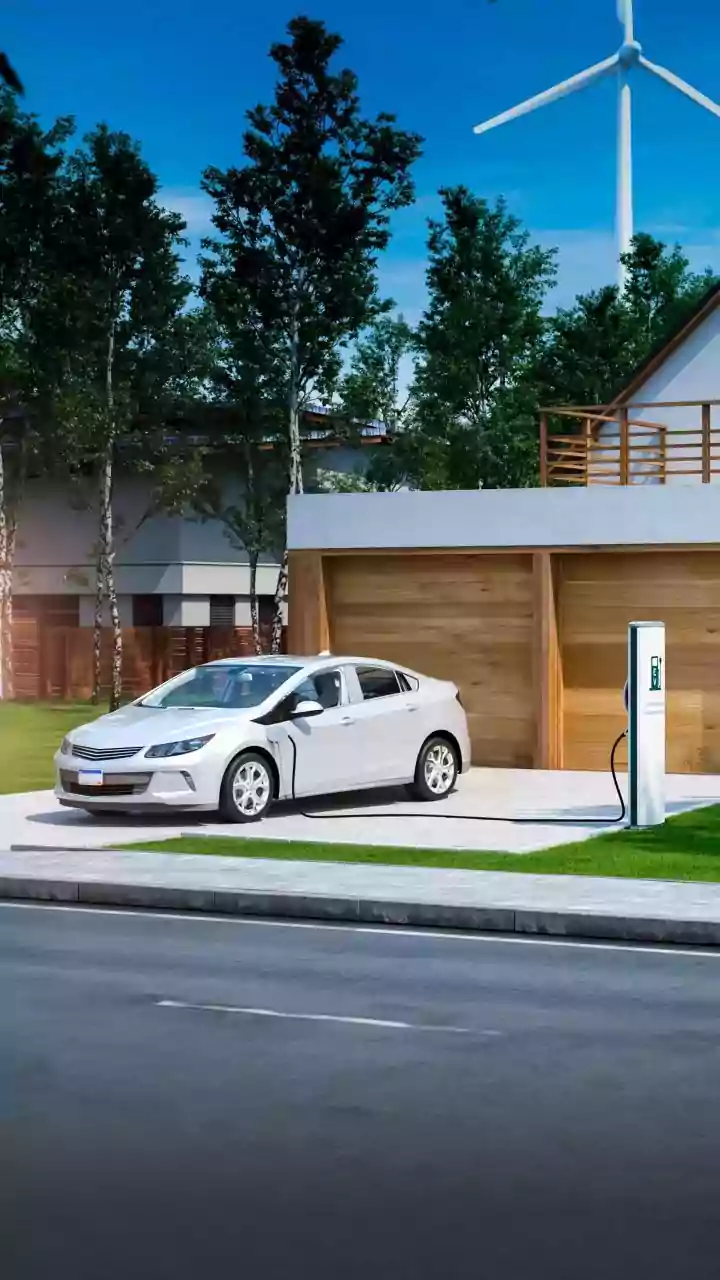
The market is responding with a wider array of choices beyond traditional petrol and diesel. In August 2026, for the first time, the combined retail sales of CNG, hybrid, and electric vehicles slightly surpassed petrol-only cars, highlighting a significant diversification in consumer choice. CNG vehicles have become a strong alternative for cost-conscious buyers due to their lower running costs. Simultaneously, strong hybrids, which offer better mileage without the range anxiety associated with EVs, have carved out a niche. Data from August 2026 shows hybrids accounted for 9.04% of passenger vehicle sales. Though still a smaller part of the market, EVs are also gaining traction, with sales growing substantially year-on-year, further pushed by high fuel prices.
Technology Offers a Middle Path
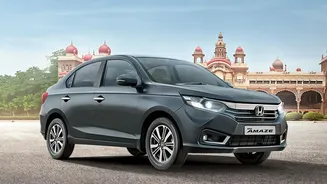
For many buyers who are not yet ready to switch to EVs or hybrids, advancements in conventional engine technology provide a welcome middle ground. Automakers are increasingly offering smaller, turbocharged petrol engines that deliver a satisfying balance of power and efficiency. These modern engines, coupled with lightweight vehicle platforms, allow even traditional cars to post impressive mileage figures. Furthermore, government proposals aim to make mileage claims more transparent. A proposed rule from October 2026 would require manufacturers to declare fuel efficiency figures with the air-conditioning on, giving consumers a more realistic understanding of on-road performance.
A Shift in Consumer Mindset
While financial savings remain the primary motivation, there is also a nascent but growing environmental consciousness among Indian buyers. Surveys indicate that a desire to be more eco-friendly is a significant reason for prioritising fuel efficiency. This shift is more prominent in urban areas, where concerns about air quality are more pronounced. As a result, the conversation around cars is slowly evolving from just the initial purchase price to the total cost of ownership, which includes fuel expenses, maintenance, and long-term environmental impact. This holistic view naturally favours more fuel-efficient vehicles, whether they run on petrol, CNG, or electricity.