






The Body as the Tool
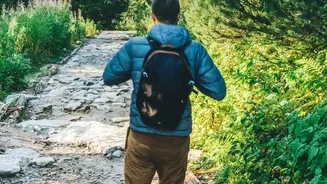
Hiking is a direct conversation between your body and the earth. When you're on a trail, every root, rock, and incline requires a physical response. Your body is the primary tool for adaptation. The challenge is to read the terrain and adjust your balance,
pace, and foot placement accordingly. This process enhances proprioception—your body's innate sense of its position in space. The goal is to move efficiently and safely through a landscape that is fundamentally static and unfiltered. The ground dictates the terms, and the hiker's skill lies in meeting them with strength and awareness. Core strength is built steadily through inclines and descents as your body works to maintain its center of gravity over varied surfaces.
The Board as an Extension of Self
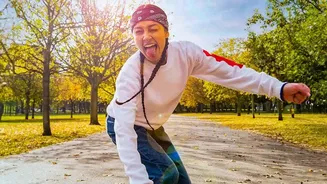
Skateboarding introduces a mediator: the board. It becomes an extension of the rider, a tool not just for adaptation but for interpretation. The challenge isn't just the ground itself but mastering the object that glides over it. Skaters don't just react to the surface; they impose a flow upon it. A rough patch of asphalt or a series of cracks isn't just an obstacle but an opportunity for a different kind of movement. This requires dynamic adjustments, where multiple muscle groups engage at once to maintain balance on a constantly moving platform. Where a hiker directly conforms to the trail, a skateboarder uses their board to translate the rough, imperfect urban environment into a rideable path, turning obstacles into features.
A Different Kind of Focus
Both activities demand intense mental focus, but the nature of that focus differs. For a hiker, attention is often broad and anticipatory. You scan the trail ahead for changes in terrain, watch the weather, and remain aware of your wider surroundings. This can foster a meditative state where the mind is calm but alert. Skateboarding, however, requires a state of hyper-focused, immediate concentration. The skater's brain must process the surface directly in front of them to make split-second decisions about weight shifts and board control to avoid a fall. This intense immersion is often described as a 'flow state,' where time seems to slow down, and the rider becomes completely absorbed in the action of movement.
Rhythm, Pace, and Energy
The rhythm of hiking is often steady and continuous. It’s a cardiovascular effort built on endurance, a constant output of energy as you move through nature. The pace is deliberate, allowing for contemplation and connection to the environment. Skateboarding, by contrast, is a dance of anaerobic bursts and graceful glides. It involves powerful pushes for momentum, followed by periods of coasting where the primary effort is balance and control. While one push can cover significant ground efficiently, maintaining speed on varied surfaces requires constant, explosive effort. This difference in energy expenditure creates entirely different experiences: the persistent, grounding rhythm of a long hike versus the staccato, creative pulse of a skate session.
Confronting Risk and Finding Freedom
Ultimately, both activities are a search for freedom and accomplishment, though they approach risk differently. A hiker's risks are often environmental: a twisted ankle on a root, exhaustion, or getting caught in bad weather. The reward is the summit view and a sense of peaceful accomplishment. A skateboarder's risks are more immediate and tied to gravity and hard surfaces, involving high-impact falls and the constant potential for scrapes and broken bones. Yet, the reward is equally profound: the thrill of landing a difficult trick after countless attempts or the feeling of gliding effortlessly through a complex environment. Both disciplines teach patience and resilience, pushing practitioners to overcome challenges—whether it's a steep mountain trail or a daunting set of stairs.