




The Golden Rule: Soak and Dry
The single most important principle for watering cacti and succulents is the 'soak and dry' method. Forget fixed schedules like 'once a week'. Instead, think like a desert rainstorm: an infrequent but thorough drenching, followed by a long dry spell.
This approach encourages deep, strong root growth and prevents the constant dampness that leads to rot. When it is time to water, do so generously until water flows freely from the pot's drainage holes. Then, and this is the crucial part, allow the soil to dry out completely before you even think about watering again. This cycle of deep drink followed by drought is exactly what these plants are built for.
How to Know When It Is Time
So, how do you know the soil is 'completely dry'? Don't just trust the surface. The most reliable method is the finger test: stick your finger about two inches into the soil. If you feel any moisture, wait. Other methods include judging the pot's weight—it will feel significantly lighter when dry—or using a wooden skewer, which should come out clean and dry. The plant itself also offers clues. While you shouldn't wait for dramatic signs, slightly wrinkled or less firm leaves can indicate thirst. In contrast, a plant that is already wilting in wet soil is a major red flag for overwatering. When in doubt, it is always safer to wait a few more days. Underwatering is usually correctable, while root rot is often fatal.
Adjust Your Routine for the Seasons
A plant's thirst isn't constant throughout the year. Cacti and succulents do most of their active growing in the spring and summer. During this period, they'll need more frequent watering—perhaps every 10 to 14 days, depending on heat and light. As autumn and winter arrive, the plants enter a dormant phase where their water needs drop dramatically. You might only need to water once every four to six weeks, or even less. Some large cacti can go a whole winter without water. Watering on a rigid schedule ignores these seasonal shifts and is a common cause of winter root rot. Always let the soil's dryness, not the calendar, be your guide.
Decoding Distress Signals
It can be confusing to tell if a struggling succulent is thirsty or drowning, as some signs overlap. The key difference is the texture of the leaves. An overwatered plant often has leaves that are soft, mushy, and translucent or yellowish. They may fall off at the slightest touch. An underwatered plant, on the other hand, will have leaves that are wrinkled and shrivelled, but they will feel soft and flat, not soggy. You might also see dried, crispy leaves at the bottom of an underwatered plant. Black or brown, slimy roots are the definitive sign of rot, while healthy roots are firm and white.
The Right Foundation Prevents Problems
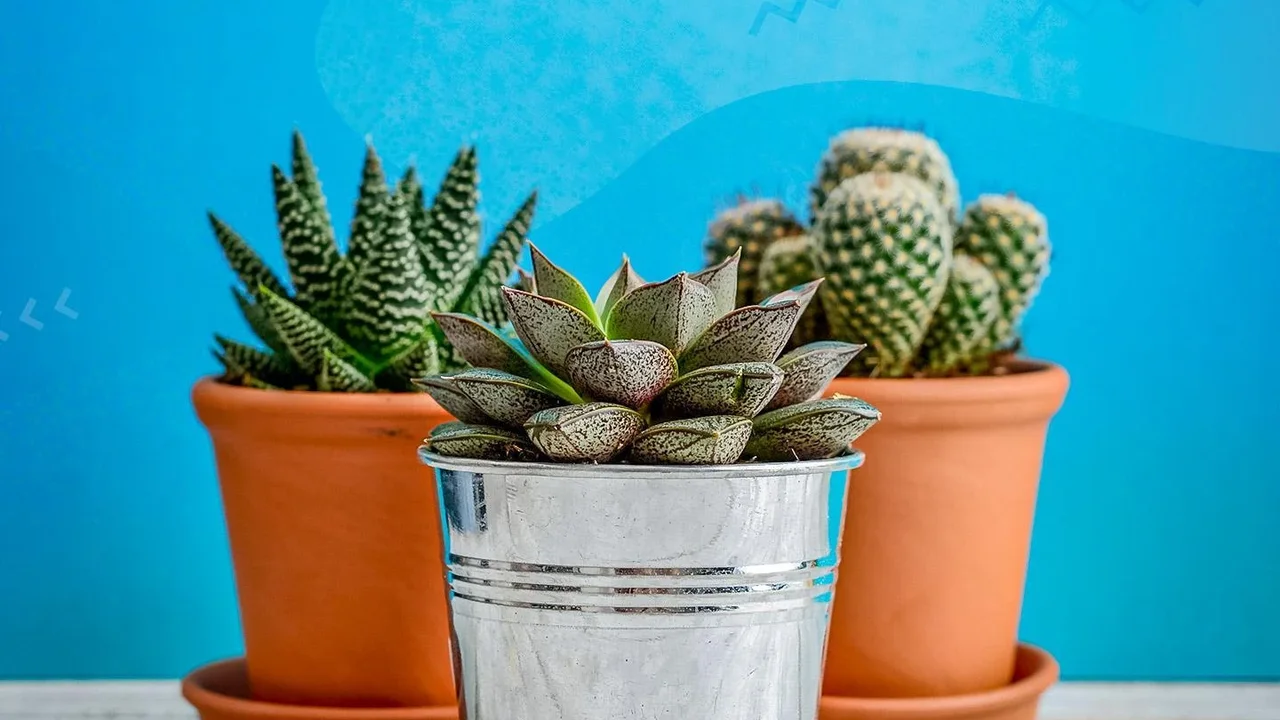
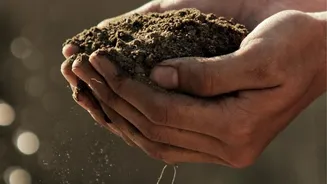
Proper watering technique can be undermined by the wrong pot and soil. Excellent drainage is non-negotiable. Always use a pot with at least one drainage hole. Porous materials like unglazed terracotta are ideal because they allow soil to dry out faster. Never use standard potting soil, which holds too much moisture. Instead, use a specially formulated cactus and succulent mix, or amend regular potting soil with materials like pumice, perlite, or coarse sand to increase drainage and aeration. Giving your plant the right foundation makes it much more forgiving and resilient against accidental overwatering.