


The Magic of Minimal Cleanup
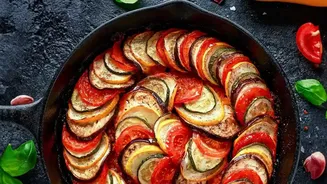
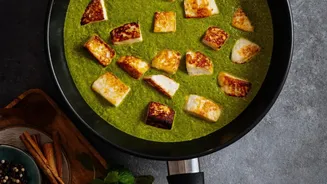
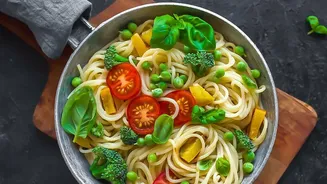
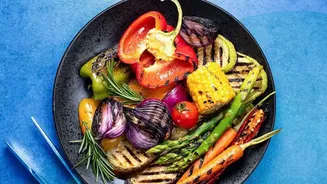
The most celebrated benefit of one-pan cooking is right there in the name. By using a single sheet pan, skillet, or pot, you dramatically cut down on the number of dishes you'll have to face after dinner. Instead of a sink piled high with pots, mixing
bowls, and various utensils, you’re left with just one vessel to wash. This simplified process is a game-changer on busy weeknights, transforming the dreaded cleanup into a quick and painless task. It saves time and energy, allowing you to spend more of your evening relaxing rather than scrubbing.
Flavour That Just Works
Cooking all your ingredients together in one pan isn't just efficient; it's a recipe for deeper, more integrated flavours. As vegetables, proteins like beans or tofu, and grains cook, their flavours meld and concentrate. Vegetables caramelise, releasing their natural sweetness, while herbs and spices infuse every component of the dish. This method is particularly brilliant for vegetarian cooking, where building layers of flavour is key. The cooking liquid, whether it's a simple broth or a flavourful sauce, gets absorbed by everything in the pan, ensuring every bite is rich and satisfying.
A Simple Path to a Balanced Meal
One-pan meals make it incredibly easy to create a nutritionally complete dinner. It’s a simple formula: combine a plant-based protein (like chickpeas, lentils, or tofu), a variety of colourful vegetables, and a healthy carbohydrate (such as quinoa, sweet potatoes, or whole-grain pasta) all in the same pan. This approach encourages you to load up on veggies, packing your meal with essential vitamins, minerals, and fibre. Because everything cooks together, nutrients that might otherwise be lost in boiling water are retained within the dish, making it a wholesome choice.
Mastering the Method: Tips for Success
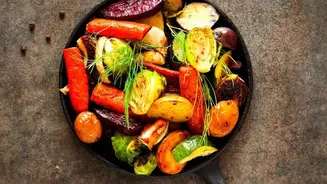
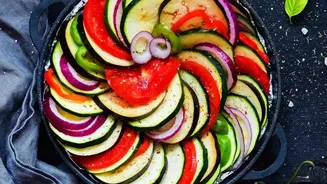
To ensure everything cooks perfectly, a few simple techniques go a long way. First, manage your timing. Harder vegetables like potatoes and carrots need a head start, so add them to the pan first before introducing softer items like bell peppers, zucchini, or spinach later in the cooking process. Second, cut your ingredients to a relatively uniform size to promote even cooking. Don’t overcrowd the pan, as this can cause vegetables to steam rather than roast or sauté, preventing them from getting that desirable browning. Giving your ingredients enough space allows them to caramelise properly, which is crucial for flavour.
Easy Ideas to Get You Started
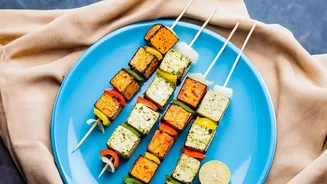
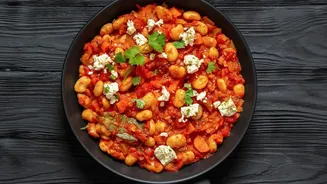
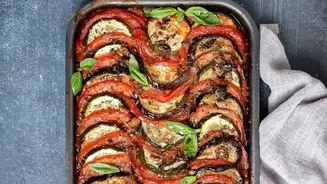
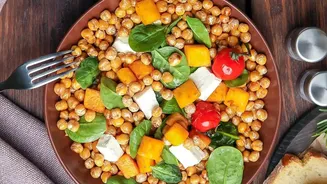
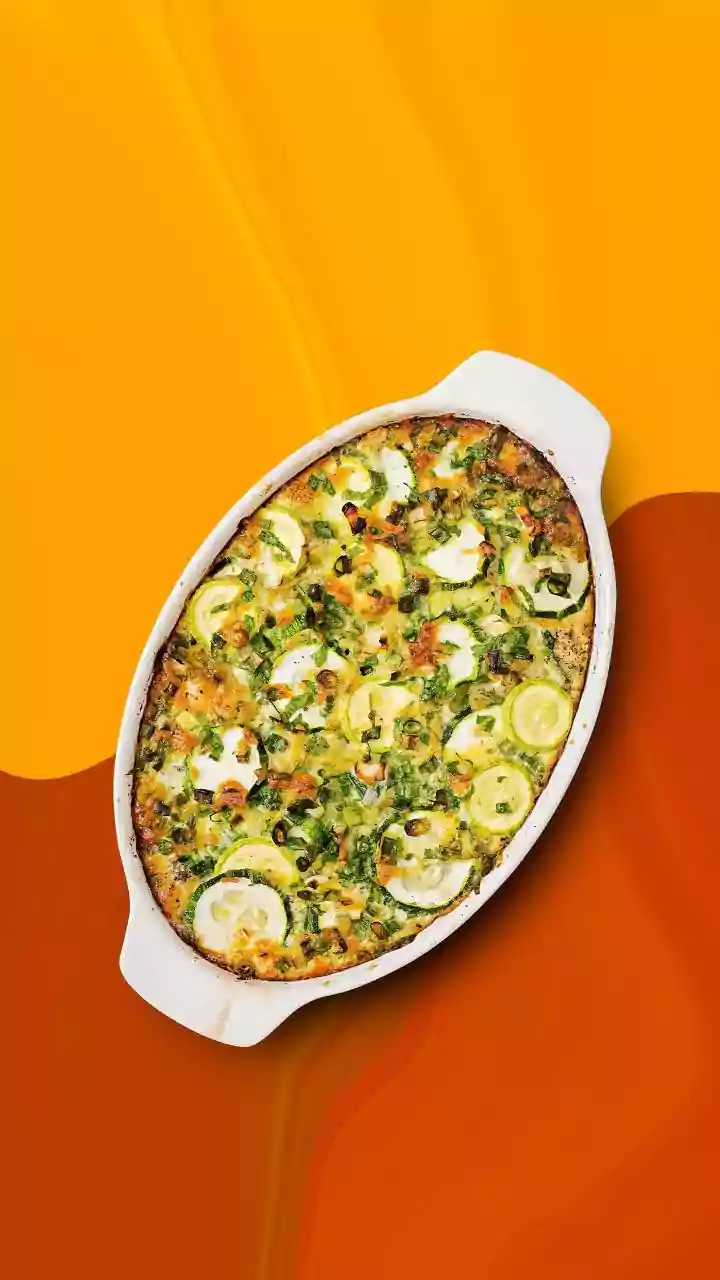
The possibilities for one-pan vegetarian meals are nearly endless. Try a Mediterranean sheet pan dinner with roasted chickpeas, bell peppers, red onions, and cherry tomatoes, topped with feta cheese in the last few minutes of cooking. Another fantastic option is a skillet with gnocchi, broccoli, and a creamy tomato sauce. For something with a bit of spice, consider a Tandoori-inspired dish with tofu or jackfruit, cauliflower, and potatoes roasted with yoghurt and spices. Even a simple vegetarian taco skillet, with black beans, corn, quinoa, and peppers, comes together quickly and can be served with your favourite toppings.