





Deconstructing the 'Smart' Diet
Unlike fleeting fads that ban entire food groups, 'smart fitness eating' isn't one single diet. Instead, it’s an approach to nutrition that prioritises fuelling your body for performance and recovery. At its core, it’s about understanding that food is functional.
The goal is to move beyond simply counting calories and start thinking about the quality of those calories. This viral trend is less about restriction and more about optimisation, asking you to consider what your food is doing for you—whether that’s building muscle, replenishing energy after a run, or supporting overall health.
The Holy Trinity: Macros, Micros, and Timing
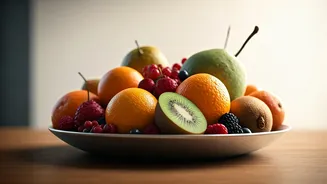
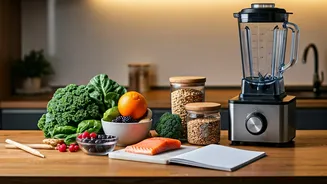
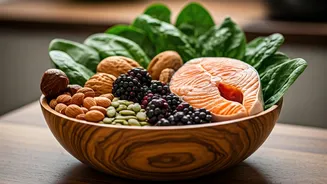
The language of smart fitness eating revolves around three key concepts. First are macronutrients, or 'macros': proteins, carbohydrates, and fats. The trend popularises tracking these to achieve specific ratios tailored to fitness goals—more protein for muscle repair, enough carbs for energy, and healthy fats for hormonal function. Second are micronutrients—the vitamins and minerals found in whole foods that support everything from immunity to bone density. The emphasis is on nutrient-dense foods (think vegetables, fruits, and lean proteins) over empty calories. Finally, there's nutrient timing: the idea that *when* you eat is almost as important as *what* you eat. This often involves consuming protein and carbs around your workout to maximise recovery and muscle growth.
Why It's Dominating Your Feed
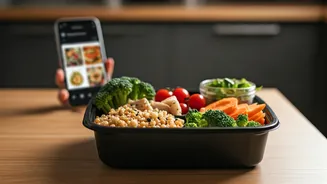
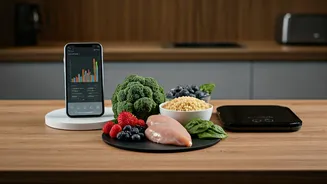
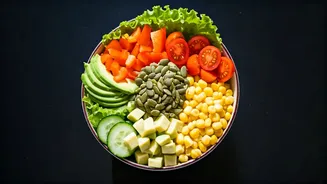
The virality of smart fitness eating can be traced to a few cultural shifts. Firstly, technology has made it incredibly easy. Apps that track macros, calories, and even water intake give users a sense of control and data-driven feedback on their habits. Secondly, it’s highly visual. Colourful bowls of whole foods, neatly organised meal prep containers, and physique progress photos are perfect content for platforms like Instagram and TikTok. Finally, there's a growing desire for a more scientific, personalised approach to health. After years of one-size-fits-all diets, the idea of tailoring your nutrition to your specific body and activity level feels empowering and modern.
The Influencer Effect: Friend and Foe
Fitness influencers have been instrumental in popularising this trend. They break down complex nutritional science into digestible tips, share recipes, and offer a relatable look into their own fitness journeys. This has made smart eating more accessible than ever. However, it’s a double-edged sword. Not all online advice comes from qualified professionals like registered dietitians. The constant focus on tracking, numbers, and achieving a certain physique can also fuel obsessive behaviour or eating disorders in susceptible individuals. What works for a professional athlete or fitness model may not be healthy or necessary for the average person.
Is This Approach Right for You?
For someone training for a marathon or trying to build significant muscle, the meticulous tracking associated with smart fitness eating can be highly effective. It provides the structured fuel needed for peak performance. However, for many people whose goal is simply to be healthy and active, such a detailed approach can be unnecessarily stressful and time-consuming. The pressure to hit exact macro targets every day can take the joy out of eating and create anxiety around food. The key is to know your own goals and personality. If tracking data motivates you, it can be a useful tool. If it makes you feel restricted, a more intuitive approach may be better.
How to Adopt the Principles, Not the Obsession
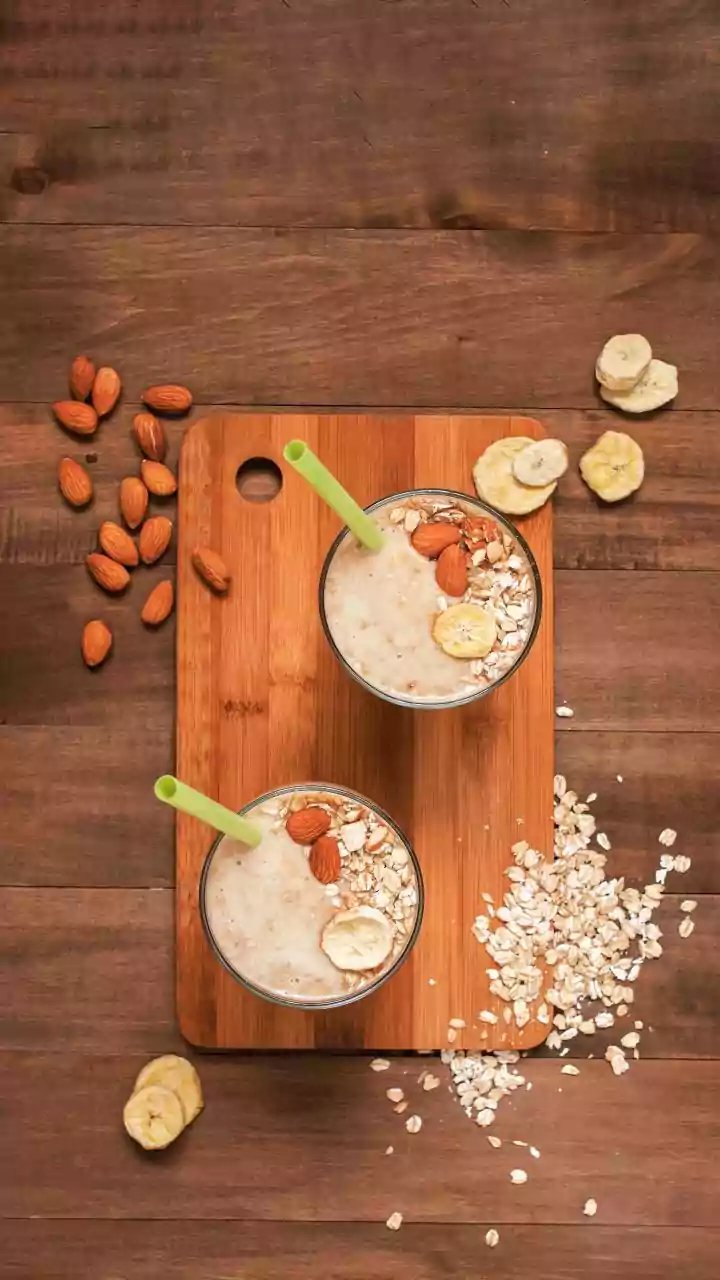
You can benefit from the wisdom of smart fitness eating without downloading a single tracking app. Start with simple, sustainable changes. Prioritise adding a source of protein to every meal to help with satiety and muscle repair. Focus on eating a variety of colourful vegetables to boost your micronutrient intake. Pay attention to how you feel before and after eating certain foods or working out. Instead of copying an influencer's exact meal plan, use their posts as inspiration for new recipes or food combinations. The 'smartest' approach is one that listens to your own body's cues and fits seamlessly into your life, not one that is dictated by a spreadsheet.