





The Challenge of City Farming
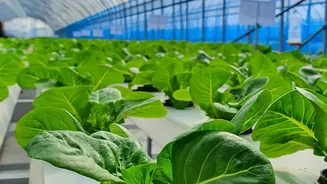
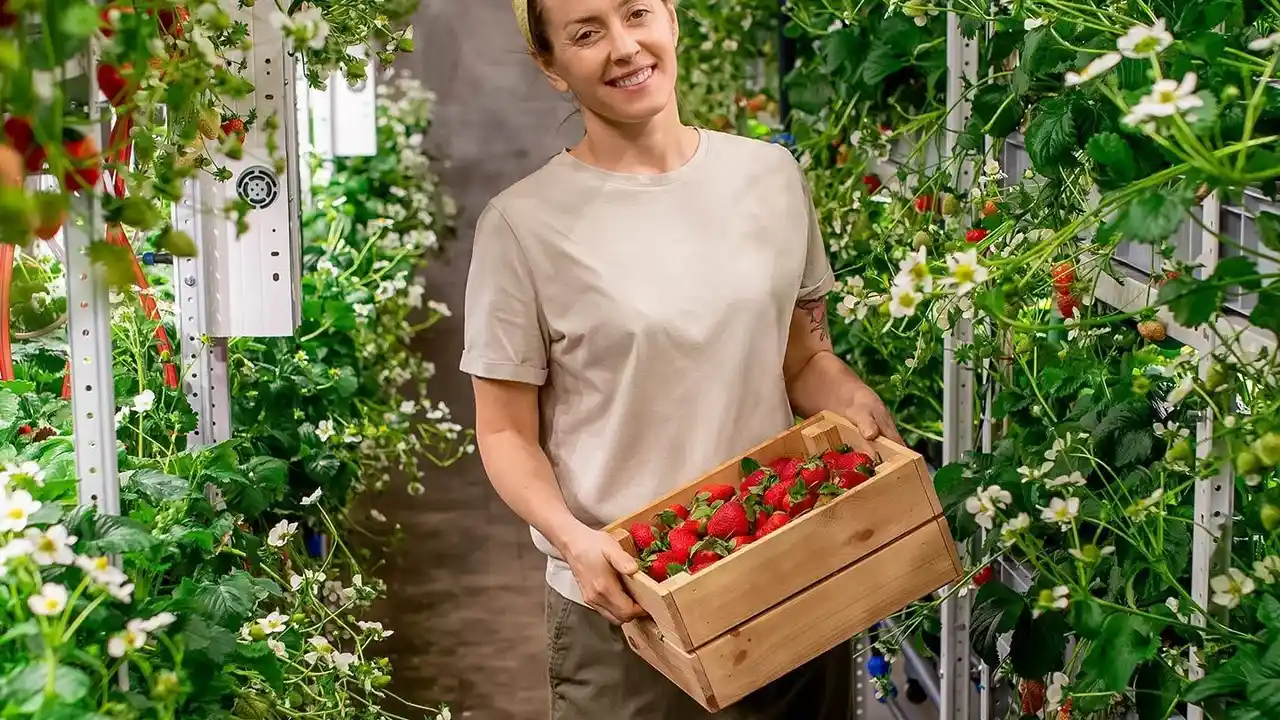
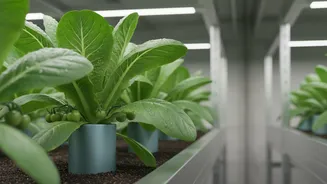
Urban farms, whether perched on rooftops or nestled in repurposed warehouses, face a unique set of challenges. Unlike their rural counterparts, these agricultural islands in a sea of concrete must contend with pests in enclosed environments where traditional
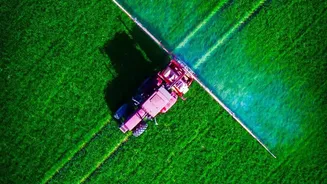
chemical pesticides are often a non-starter. Proximity to people, strict organic standards, and the need to protect a dense, high-value crop in a small space mean that a single infestation can be catastrophic. Farmers are in a constant battle, seeking solutions that are effective, safe for consumers, and friendly to the surrounding urban ecosystem. This has led to a surge in innovation, pushing the boundaries of what pest management can be.
From Buzzes and Clicks to Crop Protection
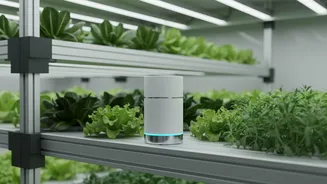
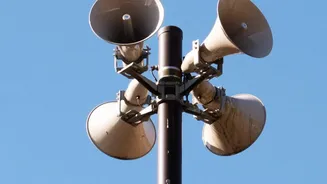
Enter acoustic pest control. The concept is rooted in a simple observation: many pests rely on sound to navigate, communicate, and find mates. The technology uses devices that emit high-frequency ultrasonic or sonic sound waves. While typically inaudible to humans, these sounds can create a disruptive and uncomfortable environment for certain pests like rodents, moths, and other insects. The goal isn't necessarily to harm them, but to make the area so acoustically unpleasant that they choose to leave and stay away. This approach represents a significant shift from reactive, chemical-based methods to a preventative, behavior-modifying strategy. Companies have begun to market a range of these devices, from small plug-in units to larger, solar-powered emitters for outdoor spaces like gardens and farms.
A Symphony of Disruption
The technology works in two main ways: repulsion and detection. Repellent systems broadcast specific frequencies known to irritate target pests. For example, studies have shown that broadcasting ultrasound that mimics the sounds of predatory bats can deter pest moths, significantly reducing the number of eggs laid on crops and minimizing plant damage. This allows farmers to cut back on insecticide use. On the other hand, a growing field of research focuses on acoustic detection. Highly sensitive sensors can listen for the subtle sounds of pests, like the chewing of larvae hidden inside a grain of rice or the specific wing-beat frequency of an incoming swarm. When combined with machine learning algorithms, these systems can identify the pest, monitor its population in real-time, and even trigger alerts for the farmer, enabling a highly targeted and early response.
Is It a Revolution or Just Noise?
The promise is enormous, especially for organic urban farms. A chemical-free, non-toxic method that leaves no residue is the holy grail of sustainable agriculture. However, the effectiveness of ultrasonic pest repellents is a subject of debate. While some studies show success against specific pests like crickets or certain moths, the results can be mixed. Many pests can become accustomed to the sound over time, reducing the long-term effectiveness. The Federal Trade Commission has even cautioned consumers about manufacturers making unsupported claims. The consensus is that these devices are not a silver bullet. Their success depends heavily on the target pest, the environment, and the specific frequency used. Background noise and physical obstructions can also limit the range and impact of the sound waves.
The Future Sounds Different
Despite the limitations, acoustic technology remains a vibrant and promising field in agriculture. The real revolution may not come from a single plug-in device, but from integrated systems that combine acoustic detection with other pest management strategies. Imagine a smart farm where sensors detect the first signs of a specific pest, automatically adjust the sonic frequencies to deter it, and notify the farmer to deploy beneficial insects as a backup. This level of precision agriculture could dramatically reduce crop loss and chemical dependency. For now, soundwave-powered protection is one more valuable instrument in the orchestra of modern, sustainable farming—a tool that, while not a solo act, plays a key part in creating a healthier and more efficient food system.