




The New Stars of the Show
Across the country, food festivals are making a conscious effort to celebrate the hands that have preserved India's culinary traditions for centuries. Organisers are increasingly creating platforms dedicated to heirloom recipes and the elders who are their
custodians. Events like Kolkata’s Ahare Bangla have made it a point to celebrate home cooks alongside celebrity chefs, showcasing rare and lost recipes from West Bengal's tribal and traditional cuisines. Similarly, a recent culinary competition in Himachal Pradesh was themed entirely around celebrating and preserving the state's rich gastronomic heritage, encouraging young chefs to learn traditional cooking practices. This isn't just a passing trend; it's a powerful statement about what—and who—we value in the world of food. It acknowledges that true culinary genius is often found not in commercial kitchens, but in the family homes where recipes are passed down like precious heirlooms.
A Craving for Authenticity
Why this sudden shift? In a world of fast food and globalised menus, there's a growing hunger for authenticity. This movement is a direct response to the homogenisation of food culture. It represents a collective desire to reconnect with our roots and savour flavours that tell a story of a specific time, place, and family. Food is a central language in Indian festivals, with dishes and rituals repeated faithfully each year, becoming inseparable from the celebration itself. These heritage-focused festivals tap into that deep-seated connection, offering a taste of home that a restaurant often cannot replicate. They are a recognition that food carries history, and that this history creates immense cultural and even commercial opportunity.
Flavours That Tell a Story
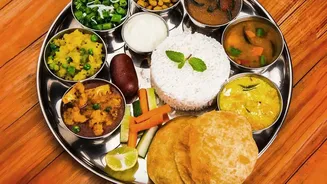
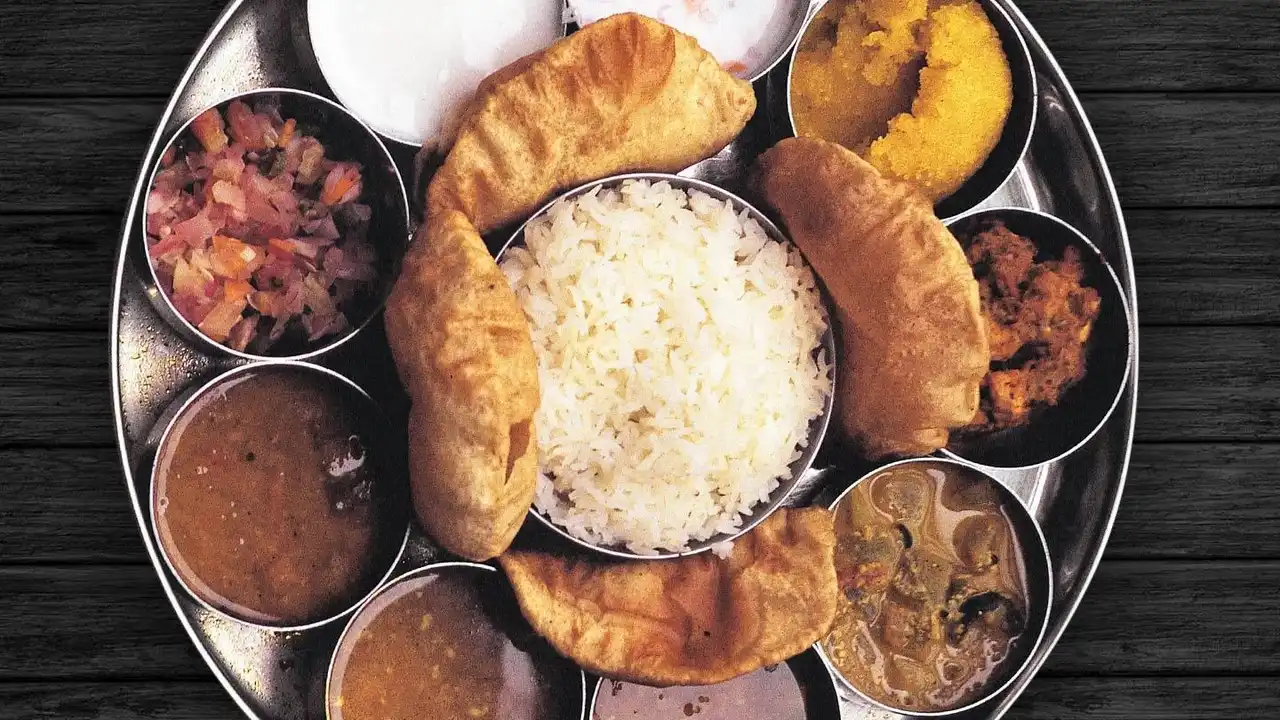
The dishes taking centre stage are often ones you won't find on a typical restaurant menu. Think of the complex vegetarian feast of an Onam Sadya from Kerala, with over twenty dishes served on a banana leaf, or the smoked pork and bamboo shoot preparations of Nagaland's Hornbill Festival. At Ahare Bangla, you might find preparations like panta bhaat (fermented rice) or shutki maachh (dried fish), dishes born from rural ingenuity. In Himachal, chefs are being pushed to master the local geography and community traditions through its cuisine. These recipes often use indigenous ingredients and slow-cooking techniques that have been perfected over generations. Each bite is a lesson in history, agriculture, and the art of making something extraordinary from humble, local produce.
More Than Just a Meal
Ultimately, celebrating generational cooking is about more than just food; it's about preserving identity. When a grandmother teaches her grandchild a family recipe, she's passing on more than just a set of instructions. She is transferring memories, stories, and a piece of their shared history. Festival cooking often encourages participation from the entire family, turning the kitchen into a lively hub of conversation and connection. Many of these recipes survive precisely because they are tied to festivals and are taught deliberately as part of the celebration. By bringing these private, domestic traditions into a public, celebratory space, food festivals are helping to ensure this vital cultural knowledge isn't lost. They are reinforcing the idea that our culinary heritage is a living, breathing entity that deserves to be championed.