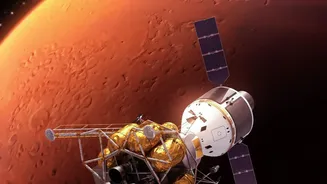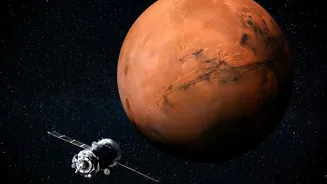



It is one of the most ambitious projects in the history of space exploration: bringing pieces of Mars back to Earth. But NASA's landmark Mars Sample Return mission is going back to the drawing board, facing a major rethink of its complex plan.
The Grand Ambition
For decades,
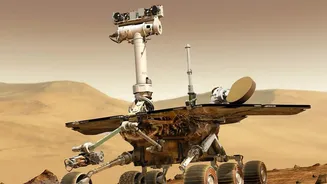
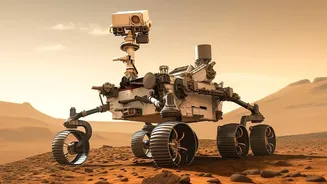
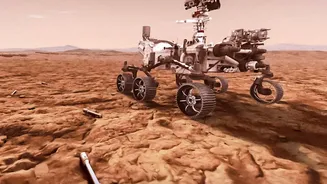
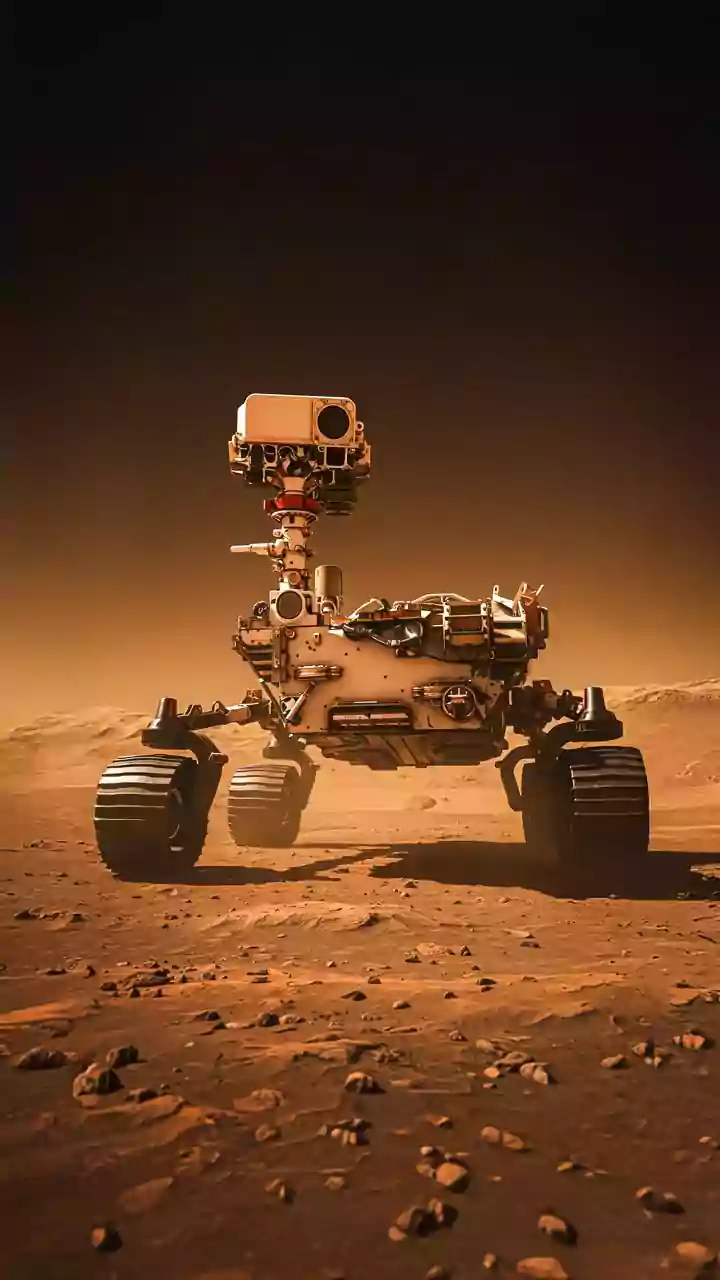
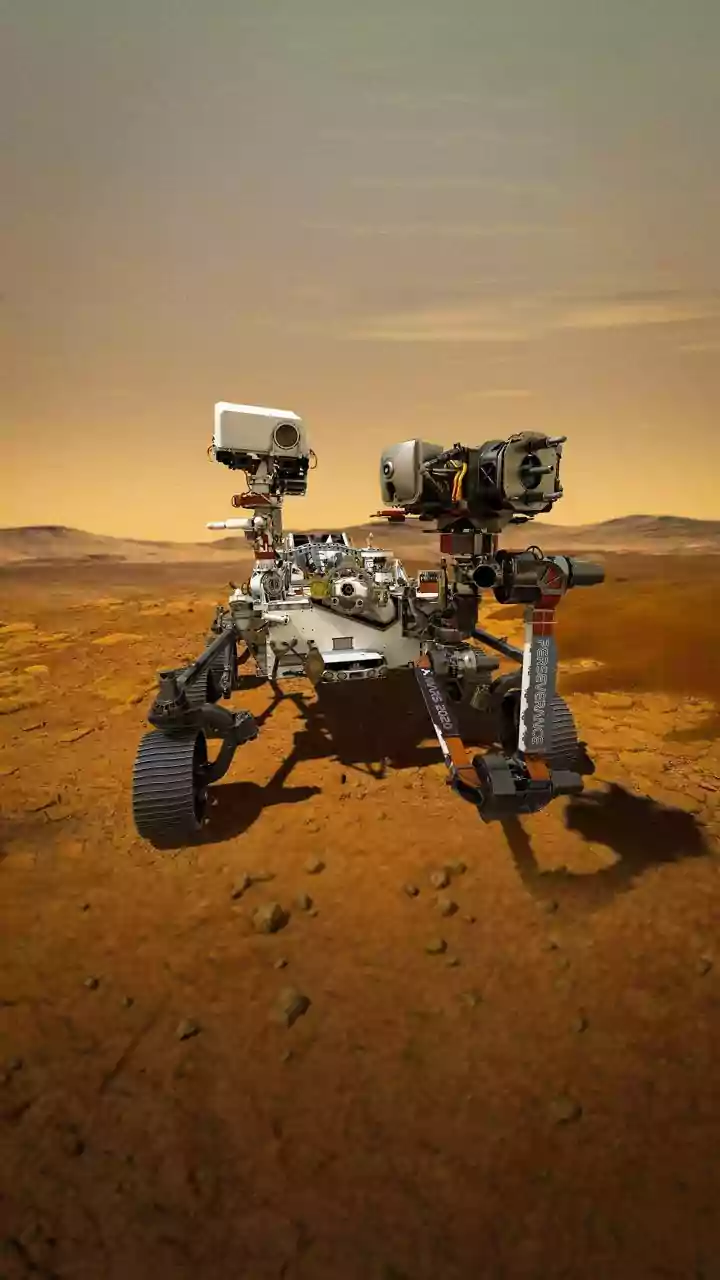
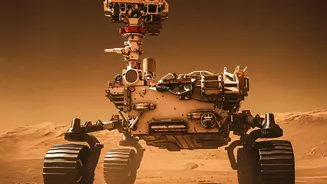
returning pristine samples from Mars has been the holy grail for planetary scientists. Analyzing Martian rock and soil in advanced labs on Earth could answer fundamental questions about the planet's history, the evolution of our solar system, and whether life ever existed there. Since February 2021, NASA's Perseverance rover has been dutifully drilling and collecting cigar-sized core samples in Mars's Jezero Crater, a location believed to have once been a river delta. The rover has already gathered a scientifically valuable collection, storing some tubes internally and dropping others in a designated depot on the surface for a future pickup.
An Unsustainable Price Tag
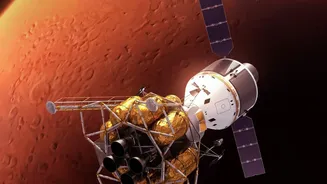
The original plan, a joint effort with the European Space Agency (ESA), was a multi-part relay of unprecedented complexity. It involved sending a large lander to Mars, which would deploy another rover to fetch the samples. A sophisticated rocket, the Mars Ascent Vehicle (MAV), would then launch the sample container into Mars orbit. Finally, an orbiter built by the ESA would capture the container and fly it back to Earth. However, an independent review board report in 2023 delivered a sobering verdict: the mission, as designed, had an 'unrealistic budget and schedule'. Projections saw the cost soaring to as much as $11 billion, with the samples not arriving on Earth until 2040—a timeline and price NASA Administrator Bill Nelson deemed 'too expensive' and 'too far away'.
Back to the Drawing Board
In response to the review board's findings, NASA has hit the reset button. The agency has officially begun soliciting new ideas from its own centers and, crucially, from commercial industry partners to find a 'cheaper, faster' way forward. In early November 2026, the agency detailed its new approach, dubbed the Perseverance Sample Retrieval Architecture (PSRA). This initiative will create a new framework, reviewing all requirements and lessons learned to produce impartial recommendations for a more achievable mission. A dedicated strategy team will kick off its work in January 2027, with a final report expected in the winter of 2027-2028.
The Search for a Simpler Path
The central goal of this strategic pivot is to reduce complexity and cost. Instead of a large, multi-component lander, new proposals might involve smaller, more integrated spacecraft. NASA is encouraging innovative, 'outside the box' thinking, including concepts for a smaller Mars Ascent Vehicle. Earlier discussions in 2025 had already floated two main alternatives: one using proven NASA technology like the 'Sky Crane' system that landed the Perseverance rover, and another relying more heavily on commercial partners. Both options aimed to bring the cost down into the $6-8 billion range and potentially return the samples by 2035. The new PSRA initiative will now formally assess these and other industry-led proposals solicited in 2024.
A New Space Race?
Adding pressure to NASA's timeline is the progress of other nations. China is moving forward with its own ambitious Mars sample return mission, Tianwen-3. It plans to launch around 2028 using two rockets and aims to return about 500 grams of Martian material as early as 2031. This has been described as a potential 'Sputnik moment', creating a sense of urgency for the U.S. to not fall behind in a key area of planetary exploration. While NASA officials emphasize the scientific rigor of their sample selection process, the competitive landscape undoubtedly adds another layer of complexity to the mission's high stakes.