






What Exactly Is Food Traceability?
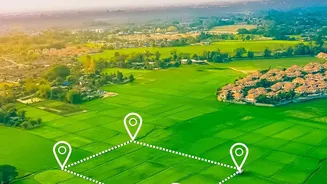
Think of traceability as a passport for your food. It’s the ability to track a product through every step of its journey—from the farm where it was grown, through processing and packaging, to the shop where you buy it. For years, this was a complex and often
impossible task. But now, with technologies like QR codes and blockchain, it's becoming a reality. Imagine scanning a code on a bag of rice to see which farm it came from, or on a mango to know its harvest date. This isn’t about knowing every minor detail, but about creating a chain of responsibility that ensures safety and accountability at every stage.
Why the Sudden Focus in India?
The conversation around food safety isn't new, but recent events and regulatory shifts have pushed traceability to the forefront. Consumer concern is at an all-time high, with surveys showing over 80% of Indians are worried about food safety, from pesticide use to adulteration. In response, the Food Safety and Standards Authority of India (FSSAI) is getting stricter. New regulations coming into effect in 2026 will require companies to provide solid scientific evidence for their products' safety, especially when introducing new items. Furthermore, the FSSAI has been actively asking the industry to adopt digital traceability systems to better handle complaints and prevent foodborne illness outbreaks. This push is part of a broader effort to modernize India's food ecosystem.
The Real-World Problems It Solves
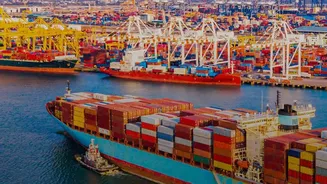
India's food supply chain is incredibly complex, with millions of small farmers, numerous intermediaries, and vast distances between producer and consumer. This complexity creates several challenges. Food adulteration, for example, remains a significant issue. When a contamination incident occurs, it's often difficult to pinpoint the source, leading to widespread health risks and delayed recalls. A robust traceability system helps solve this by quickly identifying where a problem originated, allowing authorities to remove only the affected batches from the market instead of creating a nationwide panic. It also helps tackle issues like misleading labels and ensures that claims like 'organic' or 'pesticide-free' can be verified.
What Does This Mean for Your Grocery Basket?
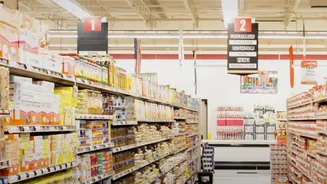
For the average consumer, the shift towards traceability promises more transparency and confidence. In the near future, you might see more products with QR codes that you can scan with your phone for information about origin and processing. This transparency empowers you to make more informed choices based on what’s important to you, whether it’s ethical sourcing, environmental impact, or simply quality. It also means that in the event of a food safety issue, recalls can be faster and more targeted, protecting public health more effectively. The FSSAI is encouraging consumers to become the 'eyes and ears' for the authorities, using digital tools to report issues and hold businesses accountable.
The Challenges on the Road Ahead
Implementing a nationwide traceability system is not without its hurdles. The primary challenges are cost and complexity, especially for the millions of small-scale farmers and businesses that form the backbone of India's food system. The necessary digital infrastructure, training, and certification can be expensive. There is also a significant gap in awareness, both among producers and consumers. For the system to be truly effective, it requires collaboration between the government, private companies, technology providers, and farmer organizations to create solutions that are affordable, scalable, and inclusive for everyone in the supply chain.