





Prioritise Ventilation
Stagnant air is humidity's best friend. One of the most effective and low-cost ways to combat dampness is to ensure good air circulation throughout your home. Whenever the rain lets up, open windows and doors for at least 30 minutes to allow fresh air to flow
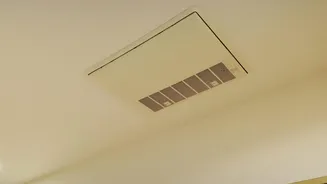
through and push out the moist, stale air. Using ceiling fans, even on a low setting, also helps keep the air moving, preventing moisture from settling on surfaces. For areas that are naturally damp, like bathrooms and kitchens, always use the exhaust fan during and after showers or cooking to expel excess moisture directly outside.
Check for Leaks and Cracks
Humidity from the air is one thing, but water seeping in from the outside is a far more serious problem. Before the monsoon fully sets in, take the time to inspect your home for any potential entry points for water. Check the seals around windows and doors, look for cracks in the exterior walls, and inspect your roof for any signs of damage. Even a tiny crack can allow a significant amount of water in during a downpour, creating a perfect breeding ground for mould and causing structural damage over time. Sealing these gaps is a crucial preventative step.
Consider a Dehumidifier
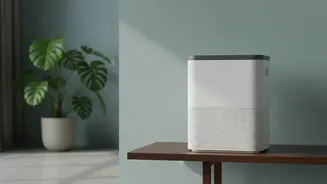
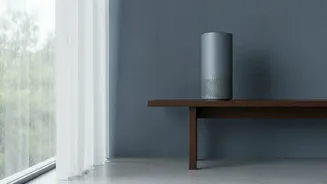
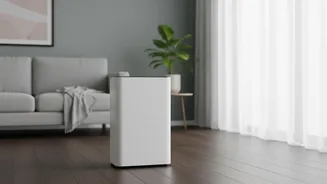
For homes in particularly humid regions or for rooms that just don't get enough airflow, a dehumidifier can be a game-changer. These appliances work by pulling moisture out of the air, helping to maintain an ideal indoor humidity level, which is generally between 45% and 55%. This not only makes your home feel more comfortable but also drastically reduces the risk of mould and mildew growth on walls, clothes, and furniture. Running your air conditioner on its 'dry mode' can achieve a similar effect, cooling the room while simultaneously removing excess moisture.
Harness Natural Moisture Absorbers
You don't always need a machine to fight dampness. Several natural and readily available materials are excellent at absorbing excess moisture from the air. Placing bowls of uncooked rice, rock salt, or activated charcoal pouches in cupboards, wardrobes, and small, enclosed spaces can work wonders. Another powerful option is silica gel packets, which can be placed in drawers and closets to protect clothes and important documents. For a more traditional Indian approach, camphor or naphthalene balls can be used in storage areas; they absorb moisture and help deter insects.
Protect Your Wooden Furniture
Wood is particularly vulnerable during the monsoon. Being a hygroscopic material, it naturally absorbs moisture from the air, which can cause it to swell, warp, or get stuck. To protect your wooden furniture, try to keep it a few inches away from damp walls to allow air to circulate behind it. Wiping down surfaces with a dry, soft cloth daily can prevent moisture from settling. Before the season starts, applying a fresh coat of wax or polish can create a protective barrier. For enclosed furniture like wardrobes, leaving the doors ajar for a while each day can prevent that tell-tale musty smell.
Manage Indoor Laundry
Drying clothes indoors is often unavoidable during the rainy season, but it releases a large amount of moisture into the air. If you must dry laundry inside, place the drying rack in a well-ventilated area, preferably with a fan pointed at it to speed up the process and disperse the moisture. Avoid leaving wet clothes in a laundry hamper or on the floor, as this creates a prime environment for mould to grow on both the fabric and the surrounding area. Ensure clothes are completely dry before putting them away in your closet to prevent mildew and musty odours.