







A Significant Price Reduction
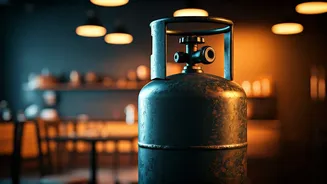
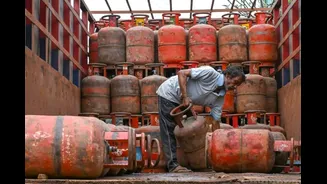
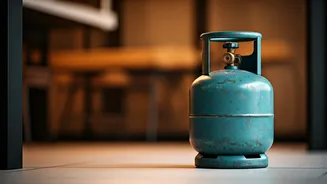
On July 1, 2026, oil marketing companies announced a significant reduction in the price of 19-kg commercial LPG cylinders, the first such cut in 2026. The price was slashed by up to ₹183.50 per cylinder in cities like Delhi, providing a welcome respite
to commercial establishments like hotels, restaurants, and cafes. In Delhi, the price of a cylinder dropped to ₹2,930, while similar reductions were seen across the country, with Mumbai's price falling to ₹2,885.50 and Kolkata's to ₹3,081.50. This move comes after a period of volatility and price hikes earlier in the year, which had put immense pressure on the food and beverage industry. The price of domestic 14.2-kg cylinders, however, remains unchanged.
The Kitchen's Burning Cost
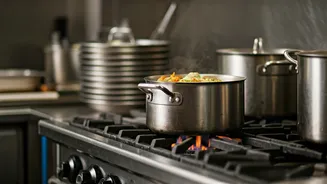
For any cafe, cooking gas is a primary operational expense, right alongside rent, salaries, and raw ingredients. While a single cup of coffee might not use much gas, the cumulative effect of running espresso machines, ovens for baked goods, and stoves for hot food items throughout the day is substantial. Industry insiders have previously noted that LPG can account for 10-15% of a kitchen's total operating costs. During recent periods of high prices, this figure had been creeping up, squeezing already thin profit margins. This latest price cut, therefore, isn't just a minor adjustment; it directly impacts a significant, non-negotiable cost centre for every food business.
Will Your Coffee Get Cheaper?
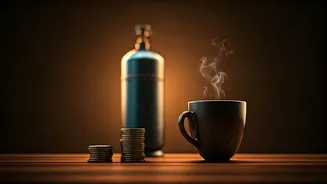
The question on every customer's mind is whether this cost-saving will translate to lower menu prices. The answer, however, is complex. For many cafes, especially smaller, independent ones, the past few months of high energy costs have been about survival. Rather than lowering prices, many owners may see this as an opportunity to restore their profit margins to a sustainable level, pay down debt incurred during leaner times, or invest in much-needed equipment repairs. Anjan Chatterjee, founder of Speciality Restaurants, had previously stated during a price hike period that increasing menu rates was a compulsion. Therefore, it is more likely that this price cut will act as a buffer against future menu price increases rather than causing an immediate reduction in what you pay for your cappuccino.
A Welcome Breather, Not a Cure-All
While the reduction in cylinder prices is undoubtedly positive news, it's important to view it in the larger context of challenges facing the cafe industry. High commercial rents, rising costs of other essential ingredients like milk and coffee beans, staff salaries, and stiff competition are persistent pressures. The National Restaurant Association of India (NRAI) has previously highlighted the immense struggles faced by the sector, with some establishments even forced to temporarily shut down during periods of extreme cost pressure. Therefore, while the lower gas price provides a much-needed financial cushion, it doesn't eliminate the other economic hurdles that cafe owners navigate daily. It is a step in the right direction, providing a bit of stability in a notoriously volatile industry.