



A New Engine for a New Era
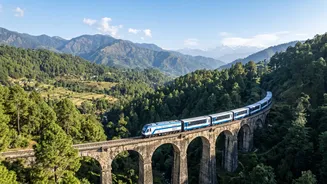
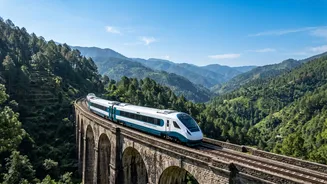
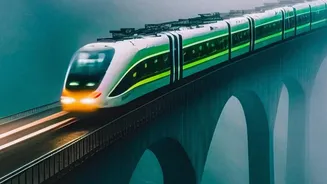
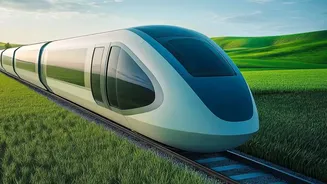
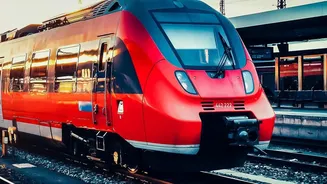
Indian Railways has embarked on an ambitious journey to modernize its historic mountain lines through the 'Hydrogen for Heritage' initiative. This project aims to replace the old diesel engines on narrow-gauge routes with state-of-the-art hydrogen-powered
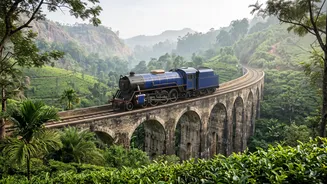
locomotives. The first major step in this direction was the successful launch of India's first indigenous hydrogen train in July 2026 on the Jind-Sonipat section in Haryana. This pilot project is designed to test the technology and operational logistics before its wider implementation on more challenging terrains, specifically the iconic heritage railways that snake through the Himalayas and the Western Ghats. The goal is to blend heritage preservation with cutting-edge, sustainable technology, ensuring these treasured journeys continue for generations to come, but without the environmental cost of fossil fuels.
How Does Hydrogen Power Work?
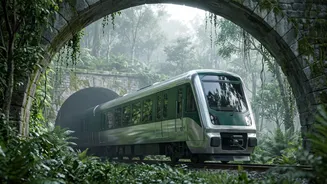
Unlike conventional trains that burn diesel, a hydrogen locomotive is essentially an electric train that generates its own power onboard. The core of the system is a fuel cell, which acts like a miniature power plant. Inside the fuel cell, hydrogen stored in high-pressure tanks reacts with oxygen taken from the air. This electrochemical reaction produces two things: electricity to power the train's motors and pure water vapour as the only emission. This means no smoke, no soot, and no greenhouse gases are released into the atmosphere. The system also includes batteries that store surplus electricity, providing an extra boost of power when the train is accelerating or climbing steep gradients, a common feature of mountain railways. By creating energy on demand without combustion, these trains offer a quiet, clean, and efficient mode of transport.
Revitalising Eco-Tourism on Heritage Routes
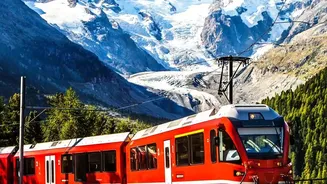
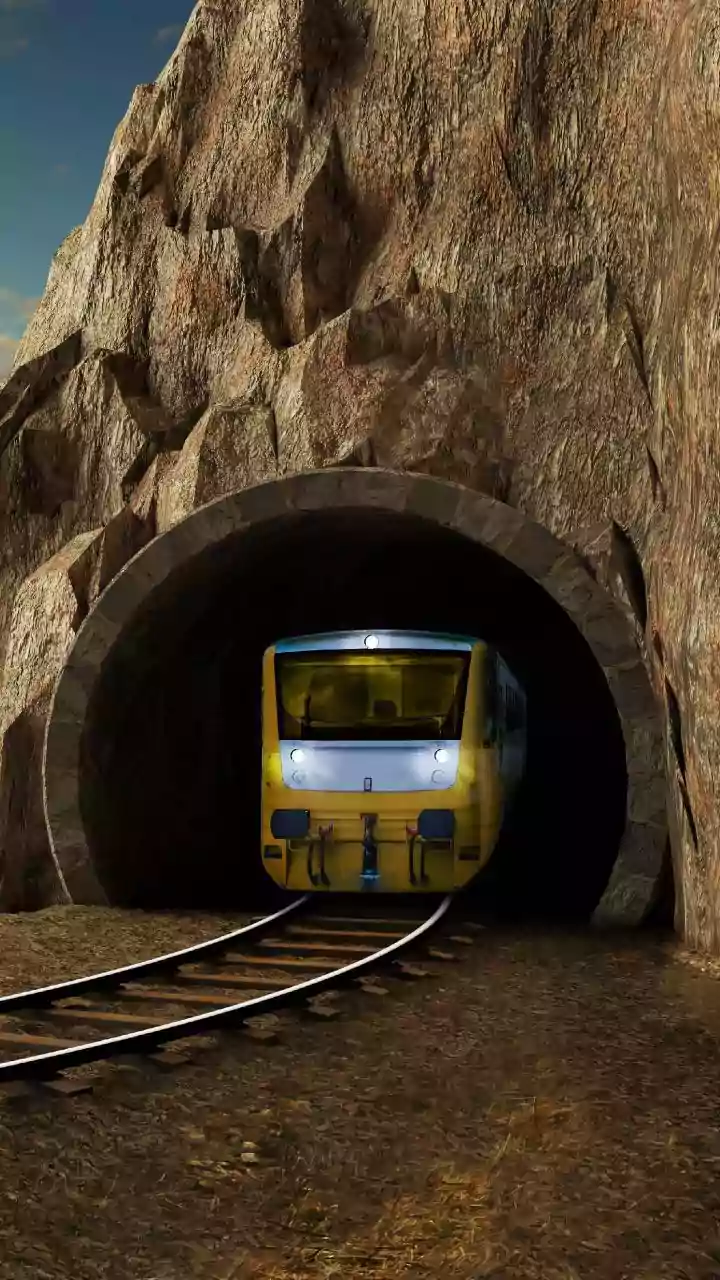
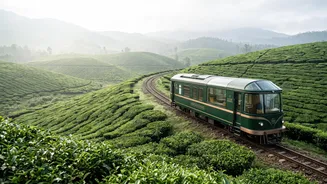
The introduction of hydrogen trains is poised to fundamentally transform eco-tourism on India’s mountain lines. Routes like the Kalka-Shimla Railway, Darjeeling Himalayan Railway, and Nilgiri Mountain Railway are celebrated for their passage through pristine, ecologically sensitive landscapes. However, the diesel locomotives currently in use contribute to both air and noise pollution, detracting from the very nature tourists come to experience. Hydrogen trains offer a zero-emission solution, eliminating harmful pollutants and ensuring the crisp mountain air remains clean. Furthermore, electrifying these heritage routes with overhead cables and poles would be visually intrusive and technically difficult due to the sharp curves and numerous tunnels. Hydrail technology avoids this, preserving the vintage aesthetic and unobstructed panoramic views that make these journeys so magical. This shift aligns the travel experience with the principles of sustainable tourism, attracting environmentally conscious visitors and ensuring the long-term preservation of these UNESCO World Heritage sites.
The Road Ahead for the 'Toy Trains'
While the vision is clear, the rollout is a carefully planned, phased process. Following the operational experience gained from the Jind-Sonipat pilot, Indian Railways plans to retrofit or build new hydrogen-powered engines for its fleet of 35 heritage trains. Key routes identified for this green transition include the Kalka-Shimla, Darjeeling, Nilgiri, and Matheran Hill railways, among others. The 'Hydrogen for Heritage' project is a significant financial commitment, with each train estimated to cost around ₹80 crore and requiring dedicated ground infrastructure for hydrogen production and refuelling. While the initial costs are high, they are expected to decrease as the technology becomes more widespread. This initiative is a key part of Indian Railways' larger goal to become a net-zero carbon emitter by 2030 and supports the country's National Green Hydrogen Mission.