







The Kitchen as Your Health Fortress
During the monsoon, the risk of contamination in food and water rises significantly. The high humidity creates a breeding ground for bacteria, making street food and even some restaurant meals a gamble. Eating out, especially from roadside vendors, increases
the chances of encountering ailments like gastroenteritis, typhoid, or other stomach infections. This is where home cooking becomes your greatest advantage. When you cook at home, you have complete control over hygiene, from washing vegetables thoroughly to ensuring the water you use is purified. You can select fresh ingredients and avoid stale or improperly stored produce, which is a common concern during this damp season. This control is the first line of defense against seasonal illnesses.
Boost Your Immunity Naturally
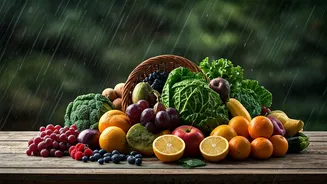
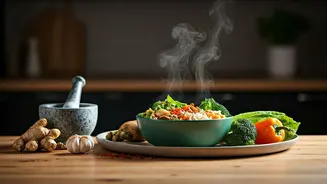
A strong immune system is crucial for fending off monsoon-related infections. Your diet plays a pivotal role in this. Incorporating specific foods can significantly enhance your body's defences. Spices like turmeric, with its powerful compound curcumin, act as a natural anti-inflammatory and antiseptic. Ginger and garlic are renowned for their antibacterial and antiviral properties, making them excellent additions to teas, soups, and curries. Seasonal fruits rich in Vitamin C, such as jamun, plums, and cherries, help in the production of white blood cells that fight infection. A handful of almonds provides Vitamin E, which is known to reduce the chances of catching colds and respiratory infections. Simple additions to your daily meals can build a robust shield against common ailments.
Eat Light, Feel Right
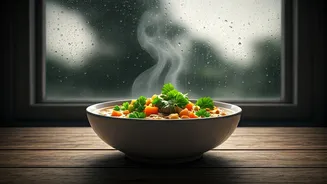
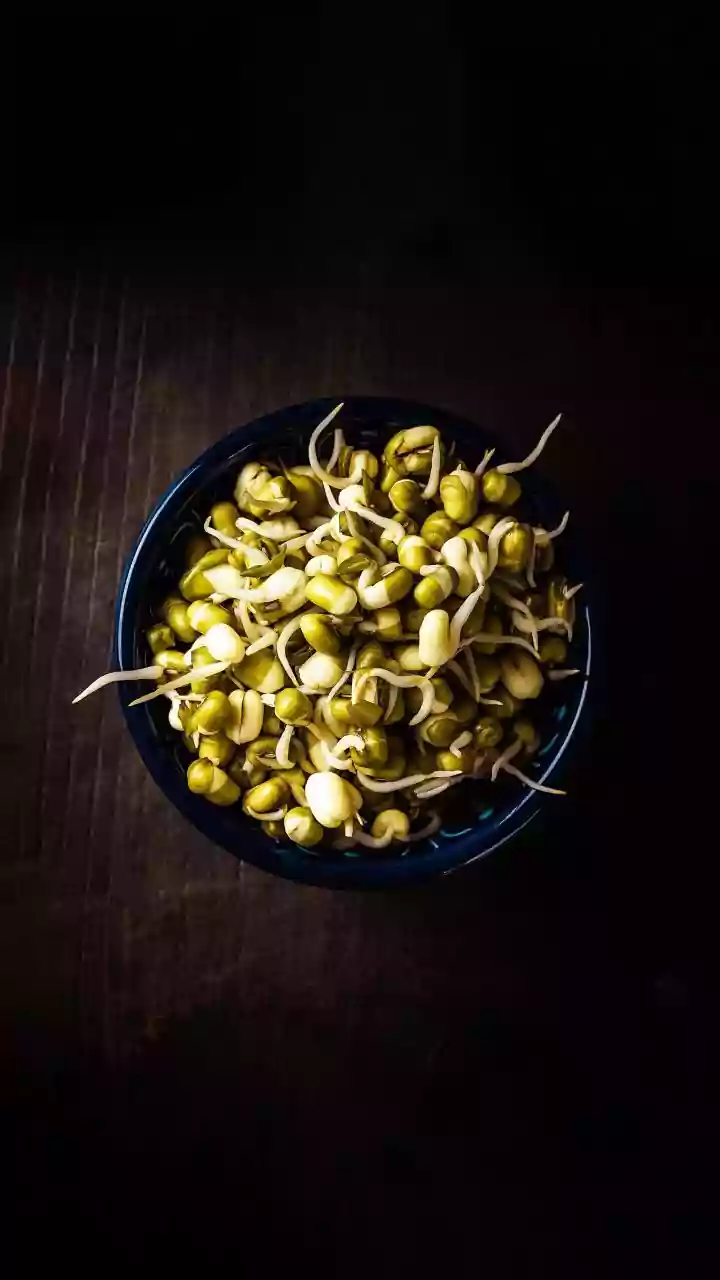
The monsoon season naturally slows down our digestion. Heavy, oily, and fried foods, while tempting on a rainy day, can lead to bloating, indigestion, and sluggishness. Ayurveda recommends favouring warm, light, and easily digestible meals during this time. Think of comforting bowls of moong dal khichdi, warm vegetable soups, and steamed dishes. These foods are gentle on the stomach and provide sustained energy without weighing you down. Even cravings for snacks like pakoras can be made healthier by baking or air-frying them instead of deep-frying. Reducing your intake of spicy foods can also prevent digestive discomfort and acidity, which are more common when the digestive fire is weak.
Foods to Handle with Care
While home cooking is safest, certain foods require extra caution during the monsoon. Leafy green vegetables, for instance, can be harder to clean and may harbour germs due to the grime and moisture. If you do consume them, ensure they are washed meticulously, perhaps by soaking in salt water, and cooked thoroughly. It's also wise to be cautious with dairy products like paneer and curd, as they can spoil faster in the humid weather. Seafood should be limited, as the monsoon is the breeding season for many fish, raising concerns about freshness and contamination. Opting for freshly cooked meals over raw foods like salads from outside is another crucial step to avoid waterborne pathogens.
Simple Monsoon Comfort Meals
Embracing home cooking doesn't have to be complicated. Simple, nourishing recipes can be both delicious and protective. A classic masala chai with ginger and cardamom is a perfect start to a rainy day. For a light and nutritious meal, a moong dal cheela (savoury pancake) stuffed with grated vegetables is an excellent choice. Warm broths and soups, like a simple tomato or mixed vegetable soup seasoned with black pepper, are not only comforting but also help with digestion and hydration. Another fantastic option is a simple vegetable poha for breakfast or a light khichdi for dinner, which provides a balanced mix of carbohydrates and protein while being easy on the gut.