





In the search for the perfect workout, rowing and ballet cardio stand out as two popular, yet vastly different, options. One is a powerhouse of intensity, the other a study in graceful control. So, how do they stack up against each other?
The Quest for a Balanced Workout
Choosing a fitness
routine can feel overwhelming. Many of us are looking for that magic bullet: an activity that is engaging, effective, and delivers a balanced, full-body workout. Two contenders that frequently come up are rowing and ballet-inspired cardio. While both offer incredible benefits, they sculpt the body in fundamentally different ways. Understanding how each one engages your upper and lower body is the key to deciding which discipline aligns best with your personal health and fitness ambitions, whether that's building overall power or creating long, toned muscles.
Rowing: A Full-Body Powerhouse
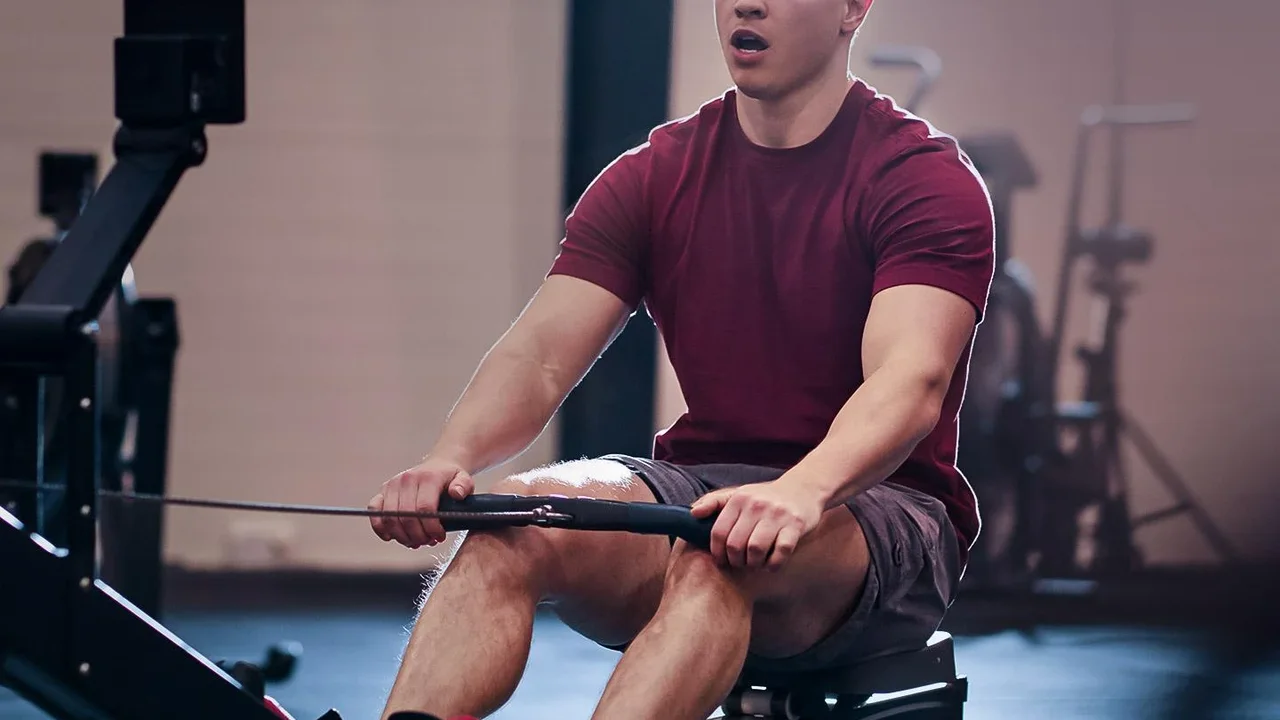
Often misunderstood as an arm-dominant exercise, rowing is one of the most comprehensive full-body workouts available, engaging up to 86% of your body's muscles in every stroke. The power distribution is heavily skewed towards the lower body, which initiates the entire movement. Roughly 60% of the power comes from your legs pushing off the footplate. This explosive drive engages your quadriceps, hamstrings, and glutes. Your core, contributing about 20% of the effort, acts as a crucial bridge, stabilizing your torso and transferring that power upwards. The final 20% of the work is left to the upper body. As you pull the handle towards your chest, you activate your large back muscles (latissimus dorsi), shoulders (deltoids), and arms (biceps). The result is a seamless, powerful motion that builds cardiovascular endurance and functional strength across your entire body simultaneously.
Ballet Cardio: Graceful and Deceptively Intense
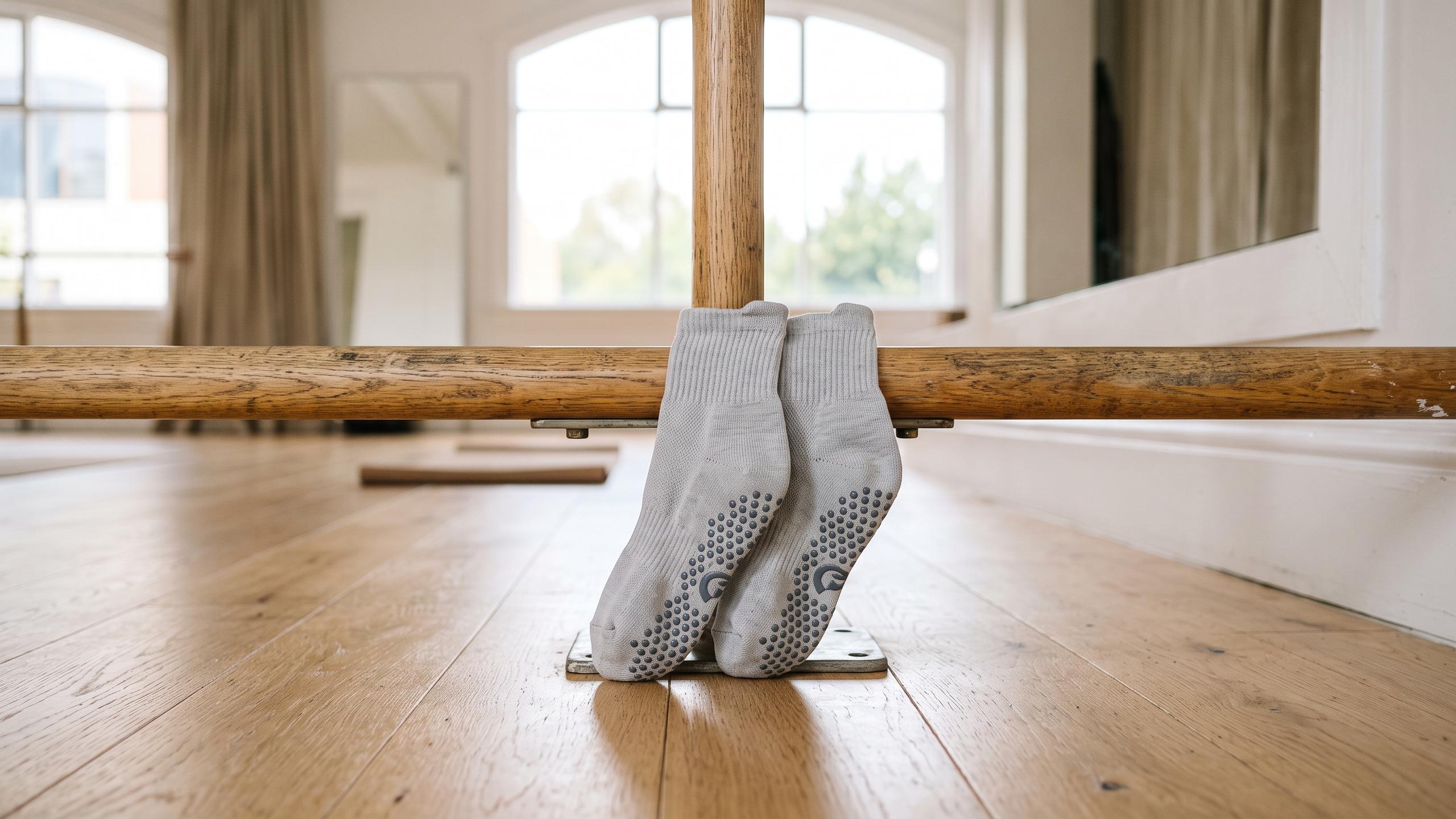
Ballet-inspired cardio, often found in formats like barre, is a workout built on control, posture, and muscular endurance. Unlike the explosive power of rowing, ballet cardio uses small, precise, and often isometric movements to fatigue muscles. The primary focus is overwhelmingly on the lower body and core. Classic ballet exercises like pliés (squats), tendus (foot extensions), and relevés (rising onto the balls of the feet) are staples that build significant strength in the glutes, thighs, and calves. These movements demand intense core engagement to maintain balance and proper alignment, strengthening the deep abdominal muscles and improving posture. The workout is low-impact, making it gentle on the joints while still being incredibly challenging due to high repetitions and sustained holds.
The Upper_Body Question
This is where the two disciplines diverge most significantly. While rowing integrates the upper body as a key component of its power phase, ballet cardio treats it more as an accessory. Many ballet and barre classes incorporate light hand weights (typically 1–3 kg) or resistance bands to perform high–repetition exercises like bicep curls, lateral raises, and tricep extensions. These movements are designed to build muscular endurance and create a toned, sculpted look in the arms and shoulders, rather than build significant strength or power. The focus remains on fluid, controlled motions that complement the lower–body work. In contrast, rowing actively strengthens the large, powerful muscles of the back and shoulders as an essential part of every single stroke.
Head–to–Head: Which Is Right For You?
Deciding between rowing and ballet cardio comes down to your primary fitness goals. Choose rowing if your goal is a high–intensity, low–impact, full–body workout that builds both cardiovascular fitness and overall strength in equal measure. It is exceptionally efficient at engaging nearly every major muscle group and is ideal for anyone looking to generate power and improve their aerobic capacity. Choose ballet cardio if your goal is to build muscular endurance, improve posture, gain flexibility, and sculpt your lower body and core. It excels at creating long, lean muscle definition through controlled, high–repetition movements. While it provides a cardiovascular benefit, it is less intense than rowing and places a strong emphasis on stability, balance, and grace.