


The Unquestionable King: Khichdi
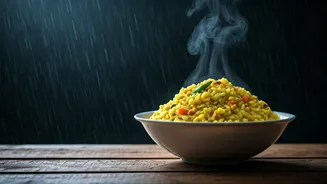
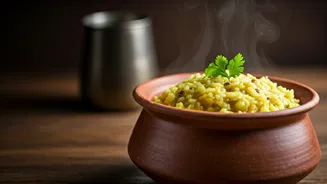
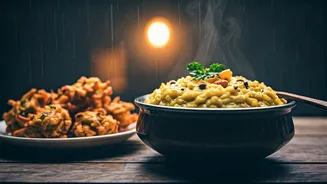
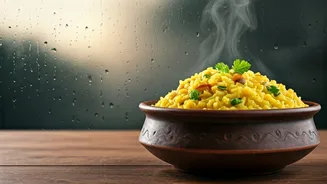
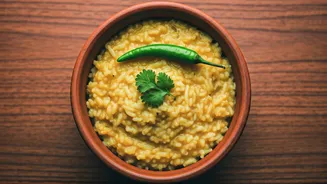
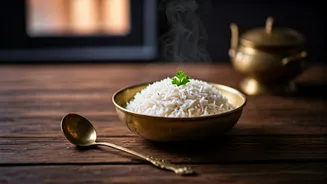
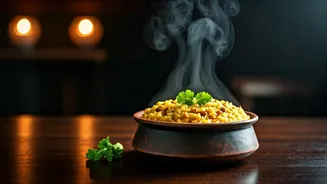
Let’s be honest, you already knew what it was. From the misty hills of the north to the rain-lashed coasts of the south, the humble Khichdi is the undisputed culinary hero of the Indian monsoon. A simple, one-pot dish of rice and lentils, it transcends
class, region, and occasion. But to call it merely ‘rice and lentils’ is to do it a great disservice. It’s a culinary canvas, a bowl of nostalgia, and a hug in food form. During a season known for dampness, fluctuating temperatures, and a general feeling of lethargy, Khichdi emerges as a source of warmth, nourishment, and profound comfort that few other dishes can match.
Why We Trust It: An Ayurvedic Perspective
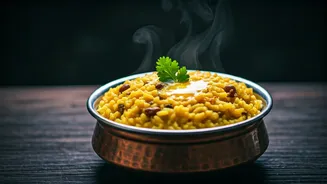
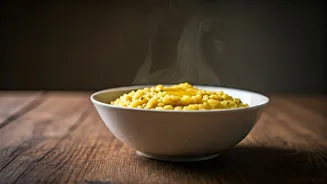
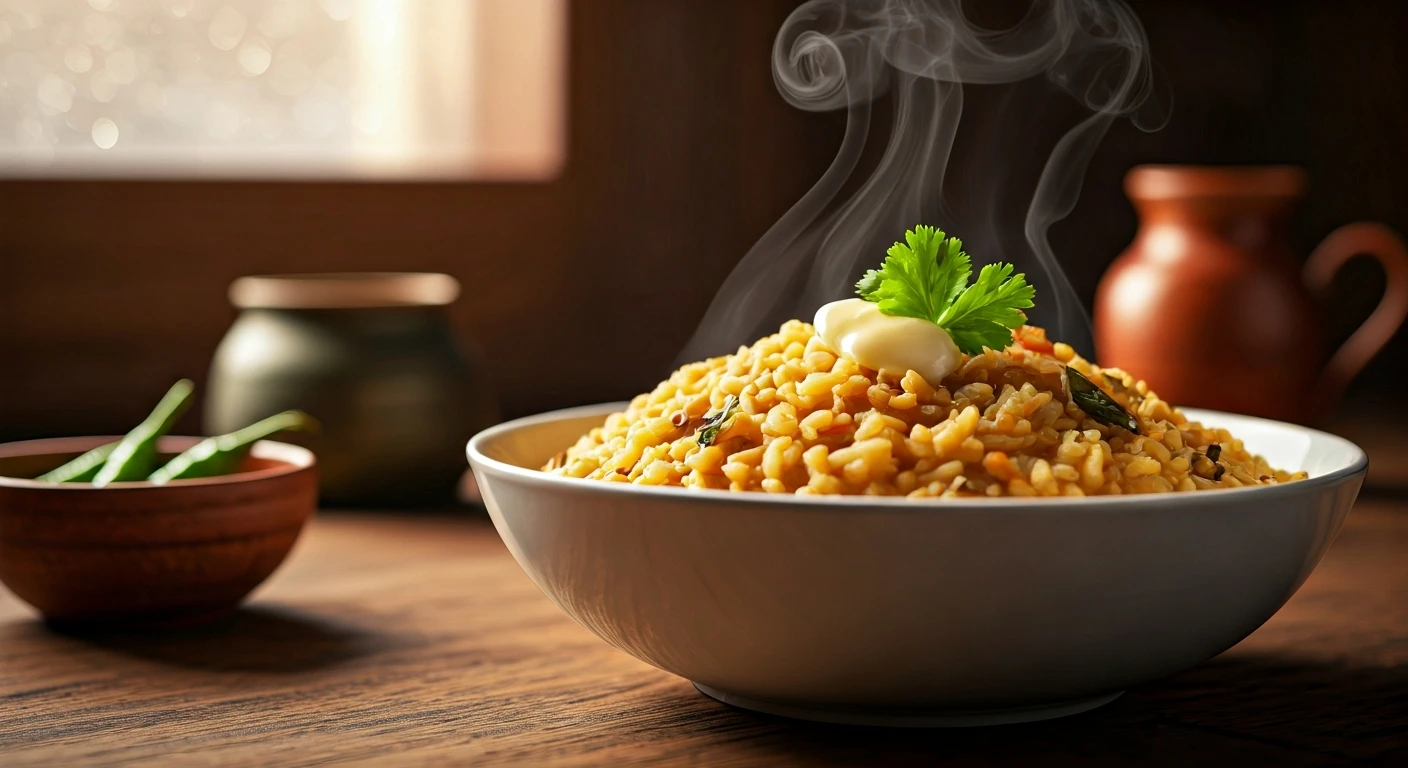
The trust placed in Khichdi is not just anecdotal; it's rooted in centuries of Ayurvedic wisdom. According to Ayurveda, the monsoon season, or ‘Varsha Ritu’, is a time when our digestive fire, or ‘agni’, is at its weakest. The body is more susceptible to ailments like indigestion, bloating, and infections. Khichdi, particularly the classic version made with moong dal, is considered ‘tridoshic’, meaning it balances all three doshas (Vata, Pitta, and Kapha). It’s light, easy to digest, and provides sustained energy without overburdening the system. The combination of carbohydrates from rice and protein from lentils creates a complete amino acid profile, making it a perfectly balanced meal. A dollop of ghee on top not only adds flavour but also helps in lubricating the digestive tract and boosting immunity.
A Dish for Sickness and for Health
Khichdi’s reputation extends beyond just a seasonal comfort food; it's India's go-to meal for convalescence. Anyone who has ever been sick as a child has a core memory associated with a parent bringing them a warm, soft bowl of Khichdi. It’s the first solid food recommended after a bout of illness and the gentle meal that nurses us back to health. This association reinforces our trust. If it’s good for us when we are at our most vulnerable, it must be perfect for staying healthy during the challenging monsoon months. This psychological comfort is just as important as its nutritional benefits. It’s a dish that signals care, healing, and a return to normalcy.
A Canvas for a Million Kitchens
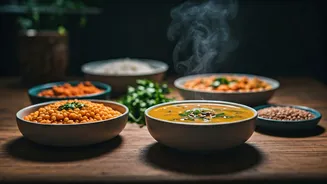
While the base remains the same, Khichdi’s versatility is what makes it a national favourite. It’s a reflection of India’s diversity in a single pot. In Gujarat, it's often served slightly sweet and spicy with a side of kadhi. In Bengal, the ‘Khichuri’ is a celebrated dish during Durga Puja, often made with roasted moong dal and an assortment of vegetables. In the south, ‘Bisi Bele Bath’ is a richer, more elaborate cousin, loaded with vegetables, tamarind, and a special spice blend. From the simple, soupy version for a sick day to the robust, masala-laden weekend treat, every family has its own heirloom recipe. Some add garlic and hing for flavour and digestive properties, others throw in seasonal vegetables like peas and carrots, while some prefer it plain with a side of pickle and papad. This adaptability ensures it never gets boring.