







The Gentle Power of Low-Impact
Low-impact exercise is any activity that doesn't put significant strain on your joints. Unlike running or jumping, indoor walking keeps at least one foot on the ground, making it an excellent choice for beginners, older adults, or anyone recovering from
an injury. The benefits are immense: it can improve cardiovascular health, lower blood pressure, strengthen bones, reduce the risk of chronic conditions like type 2 diabetes, and boost your mood. Because it's gentle on the body, it's an activity you can do consistently, which is the true key to long-term fitness.
The Foundation: Marching in Place
The simplest way to start is by marching in place. This fundamental movement forms the basis of most indoor walking programmes. To do it correctly, stand tall with your core engaged and shoulders back. Lift your knees to a comfortable height while swinging your arms naturally, as if you were walking outside. This engages your entire body, helping to elevate your heart rate. You can do this while watching television or listening to music. Even short bursts, like marching during commercial breaks, contribute to your daily activity goals.
Follow the Leader: Guided Workouts
For those who need more structure and motivation, guided workouts are an excellent option. Platforms like YouTube offer thousands of free indoor walking videos for all fitness levels. Popular programmes, like those created by Leslie Sansone, guide you through one-mile, two-mile, or even five-mile walks without ever leaving your living room. These videos often incorporate simple, low-impact moves like side-steps, gentle kicks, and knee lifts to keep the workout varied and engaging. The built-in music and encouraging instructors can make the time fly by.
Increase Intensity, Not Impact
Once you're comfortable with the basics, you can increase the challenge without adding stressful impact. Pumping your arms more vigorously is a simple way to boost your heart rate. You can also incorporate light hand weights to add an element of strength training for your upper body. Varying your steps by adding high knees, butt kicks, or side_to_side movements will activate different muscle groups. Some people even use an aerobics step to simulate walking up and down stairs, which adds intensity and works your glutes and quads.
Making It a Habit
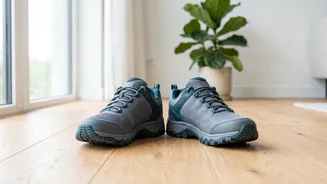
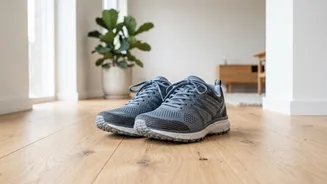
The best workout is one you do consistently. To make at home walking a regular part of your routine, start small. A 10 or 15 minute session each day is more sustainable than trying to do an hour right away. Find a time that works for you, whether it's first thing in the morning or during a lunch break. Ensure you have a clear, safe space to move in, free of clutter or trip hazards. Wearing supportive shoes can also make the experience more comfortable and prevent injury, even indoors.