





The Problem with the 'Superfood' Label
The term 'superfood' is more of a marketing gimmick than a scientific classification. It often leads to a predictable cycle: a food, like quinoa or chia seeds, is hailed for its exceptional health benefits, its demand skyrockets, and prices soar. This
can make the food unaffordable in its native regions, disrupting local food systems and creating monocultures that harm biodiversity. This model strips food of its cultural context, turning it into a global commodity for health-conscious consumers, while the communities that cultivated it for centuries are often left behind. The superfood trend focuses on isolated nutrients rather than a balanced diet, creating a sense that health can be bought one expensive product at a time.
India's Forgotten Staples
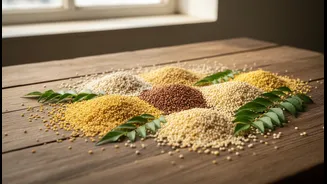
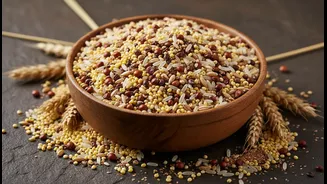
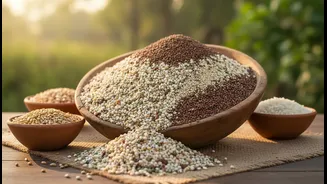
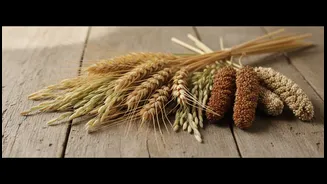
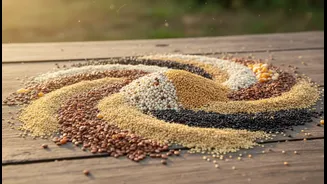
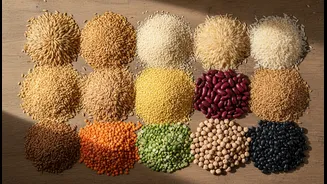
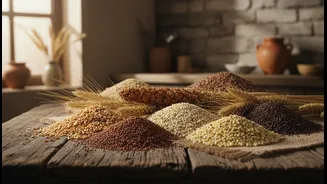
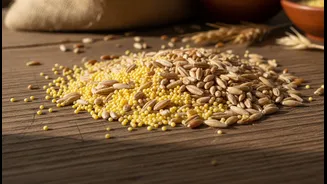
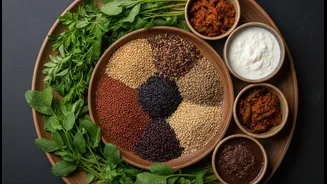
Long before wheat and rice dominated Indian plates, the subcontinent was nourished by a diverse range of millets. Grains such as jowar (sorghum), bajra (pearl millet), and ragi (finger millet) were staples for millennia. Before the 1960s, millets accounted for over 40% of all cultivated grains in India. These grains were perfectly adapted to local climates, forming the backbone of regional cuisines and nutrition. However, they were often perceived as “poor man's food,” a social bias that would contribute to their decline.
How Policy Shifted Our Plates
The major shift away from millets came with the Green Revolution in the 1960s. To address food shortages, government policies heavily promoted high-yield varieties of wheat and rice. These two grains received the bulk of subsidies, irrigation infrastructure, and research funding, making them far more profitable for farmers. As a result, millet cultivation collapsed, with land dedicated to it shrinking dramatically. The Public Distribution System (PDS) also favored wheat and rice, changing dietary habits across the country in just one generation. Millets, which were harder to process with modern machinery and had a shorter shelf life, were pushed to the margins.
A Comeback Rooted in Reality
Today, the revival of millets is being driven by practical advantages, not marketing hype. For farmers, these grains are a climate-resilient choice, requiring up to 70% less water than rice and thriving in arid conditions with fewer pesticides and fertilizers. For consumers, the health benefits are tangible. Millets are naturally gluten-free, rich in fibre, and packed with minerals like iron and calcium. Their low glycemic index helps in managing blood sugar levels, making them a crucial tool in addressing lifestyle diseases like diabetes. Initiatives like the UN's International Year of Millets in 2023, championed by India, have helped raise awareness, but the movement's strength comes from its grassroots appeal.
More Than a Health Trend
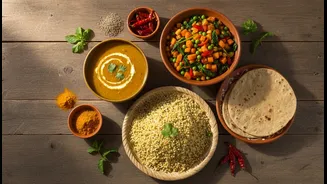
The return of millets is about more than just nutrition; it's a movement towards food sovereignty and sustainability. It represents a reconnection with agricultural heritage and the promotion of biodiversity. State-level initiatives, like the Odisha Millet Mission, are integrating these grains into public distribution systems and midday meals, making them accessible to all, not just affluent urban consumers. Chefs are reintroducing them in modern formats, and families are rediscovering traditional recipes. This revival is about reclaiming food wisdom, ensuring that the benefits—from environmental resilience to improved public health—are shared by everyone. It proves that our own traditional foods can offer powerful solutions without needing to be repackaged as the next expensive superfood.