



A Greener Tradition Takes Root
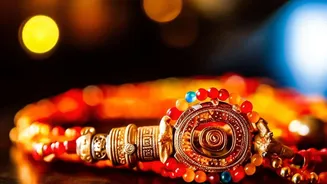
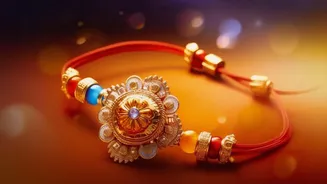
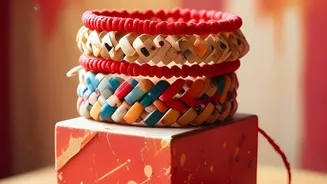
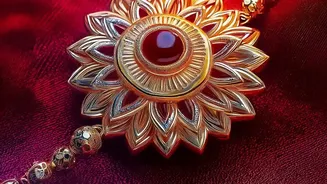
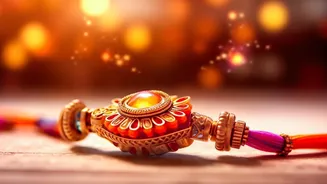
At first glance, it looks like any other rakhi: a colourful thread with an artful centerpiece. But its real magic begins after the festival ends. Instead of being discarded, this rakhi is designed to be planted. These eco-friendly rakhis are made from
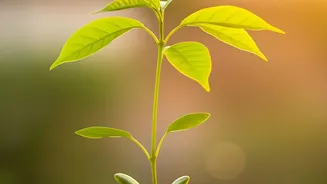
biodegradable materials like handmade seed paper, organic cotton threads, jute, and natural clays. The centerpiece contains seeds of flowers, herbs, or vegetables like marigold, basil, or tomato. After the celebrations, the entire rakhi can be placed in a pot with soil. With a little water and sunlight, it sprouts into a living plant, transforming a single-day token into a lasting, growing memory. This innovative concept blends a cherished cultural tradition with a modern commitment to sustainability.
The Hidden Cost of Conventional Rakhis
The move towards plantable options is a direct response to the environmental impact of their conventional counterparts. Each year, millions of rakhis are thrown away after the festival. Most are made from non-biodegradable materials like nylon or polyester threads, plastic beads, glitter, and synthetic adhesives. These materials can take hundreds of years to decompose, contributing to landfill waste and plastic pollution. The chemicals and microplastics released during their production and disposal can also harm the environment, polluting soil and waterways. This growing awareness has prompted many to seek alternatives that honor the spirit of the festival without harming the planet.
More Than Just a Thread, It's a Symbol
The appeal of a plantable rakhi goes beyond just being eco-friendly; it adds a powerful new layer of symbolism to the festival. The act of planting the rakhi and nurturing it into a plant becomes a tangible representation of the sibling bond itself—something that grows and strengthens over time. For many, it’s a gift that keeps on giving. Every time a sibling waters the plant, they are reminded of the promise of love and protection that the festival signifies. This makes the rakhi less of a disposable item and more of a living, evolving gift. It also serves as an excellent educational opportunity for children, teaching them about sustainability and the cycles of nature in a fun, hands-on way.
From Niche Trend to Mainstream Choice
What started as a niche product sold by small, eco-conscious brands and NGOs has blossomed into a nationwide trend. A recent report on 2026 gifting trends highlights a significant shift towards sustainable and personalized gifts for Raksha Bandhan. Plantable and eco-friendly rakhis are now a key part of this movement. They are increasingly available not just online, but in festive outlets across the country. This growth is also empowering local artisans and women's self-help groups, who are often involved in crafting these handmade products, providing them with sustainable livelihoods. The demand for Indian-made goods over imports has further bolstered the market for these unique, locally-produced rakhis.
How to Give Your Rakhi a Second Life
The process of planting a seed rakhi is simple and rewarding. Once Raksha Bandhan is over, you don't need to deconstruct it. The whole rakhi, including the thread, is typically biodegradable. Simply soak the rakhi in water for a few hours, then place it flat in a pot filled with soil. Cover it with a thin layer of soil, about a centimetre deep, and water it gently. Keep the pot in a spot with indirect sunlight and ensure the soil stays moist. Within one to three weeks, depending on the type of seed, you should see the first sprouts emerge. It’s a simple act that beautifully extends the life and meaning of the sacred thread.