



1. Berries: The Antioxidant Powerhouses
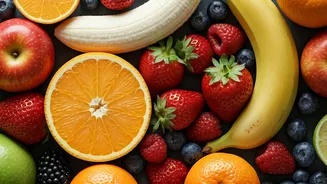
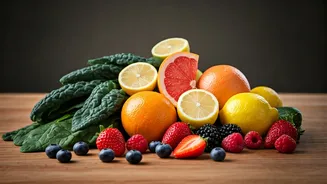
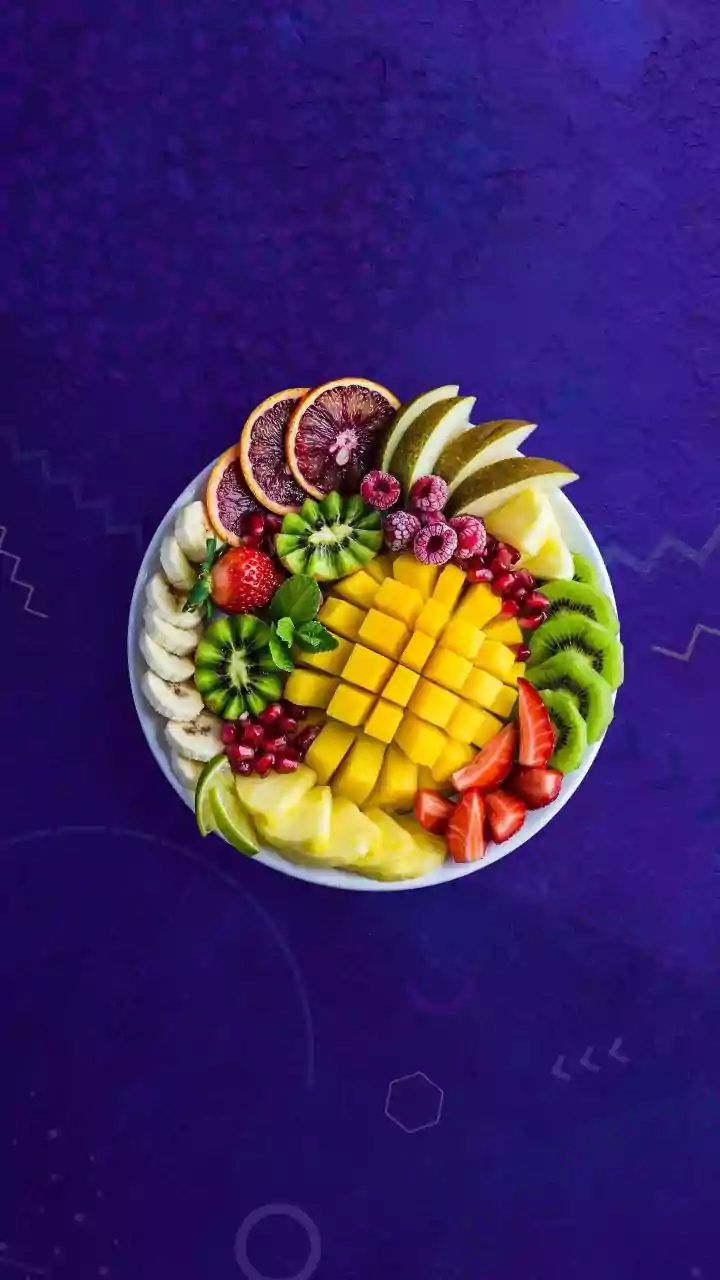
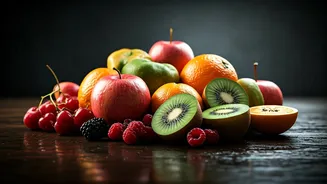
When nutritionists talk about nutrient density, berries are always at the top of the list. Blueberries, strawberries, raspberries, and blackberries are loaded with antioxidants called anthocyanins, which give them their vibrant colors. These compounds
are famed for their ability to combat oxidative stress, a process linked to aging and chronic diseases. Studies suggest that regular berry consumption can support brain health, improve memory, and help manage inflammation. They are also an excellent source of fiber, which is crucial for a healthy digestive system and maintaining stable blood sugar levels. A high-fiber diet helps you feel fuller for longer, which can aid in weight management. **How to enjoy them:** Toss a handful into your morning oatmeal or yogurt, blend them into a smoothie, or simply enjoy a bowl as a refreshing snack. Frozen berries are just as nutritious as fresh ones and are a great budget-friendly option.
2. Avocado: A Hero for Heart Health
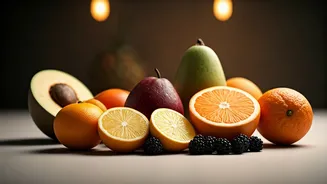
Yes, it’s a fruit! And it’s a unique one. While most fruits are high in carbs, avocados are loaded with healthy monounsaturated fats. This is the same type of heart-healthy fat found in olive oil. These fats help lower bad cholesterol (LDL) and maintain good cholesterol (HDL) levels, making avocados a fantastic choice for cardiovascular health. They are also an incredible source of potassium—even more than a banana—which helps regulate blood pressure. The combination of fiber and healthy fat makes them incredibly satiating, keeping you full and satisfied after a meal. **How to enjoy them:** Spread mashed avocado on whole-wheat toast, add slices to salads and sandwiches, or blend it into smoothies for a creamy texture without added sugar.
3. Citrus Fruits: Your Immune System's Best Friend
Oranges, grapefruits, lemons, and limes are famous for one thing: Vitamin C. This powerful antioxidant is essential for a robust immune system, helping your body create the white blood cells that fight off infections. But its benefits don't stop there. Vitamin C is also vital for skin health, as it plays a key role in collagen production, the protein that keeps skin firm and youthful. Citrus fruits also contain flavonoids, plant compounds that have anti-inflammatory properties and may contribute to better heart and brain health. Just be mindful if you take certain medications, as grapefruit can have interactions. **How to enjoy them:** Start your day with a glass of water with a squeeze of fresh lemon. Snack on an orange, or add grapefruit segments to a salad for a bright, zesty kick.
4. Apples: The Gut-Friendly Classic
The old saying holds up for a reason. Apples are a fantastic source of dietary fiber, particularly a type called pectin. Pectin acts as a prebiotic, meaning it feeds the good bacteria in your gut. A healthy gut microbiome is linked to everything from better digestion and a stronger immune system to improved mood. Apples also contain an important antioxidant called quercetin, which is concentrated in the skin and has been studied for its anti-inflammatory effects and benefits for lung and brain health. For the maximum benefit, be sure to eat the peel. **How to enjoy them:** An apple with a scoop of peanut or almond butter makes for a perfectly balanced snack. You can also chop them into salads for a sweet crunch or bake them with cinnamon for a healthy dessert.
5. Pomegranates: The Polyphenol Protector
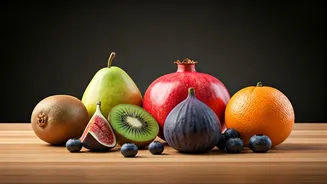
Pomegranates are one of the most powerful fruits you can eat, thanks to their unique and potent antioxidants. The two primary compounds, punicalagins and punicic acid, are responsible for most of the health benefits. Punicalagins, found in the juice and peel, are incredibly potent antioxidants that have been shown to have a greater antioxidant capacity than red wine or green tea. They help protect the body from free radical damage and reduce inflammation. Pomegranate consumption is strongly linked with heart health, including helping to lower blood pressure and improve cholesterol levels. **How to enjoy them:** The seeds (arils) are delicious sprinkled over yogurt, salads, and roasted vegetables. While getting them out can be tricky, the nutritional payoff is well worth the effort. 100% pomegranate juice is another easy way to get the benefits, just be sure it has no added sugar.