



A Proven Model, Now Pointed at Mars
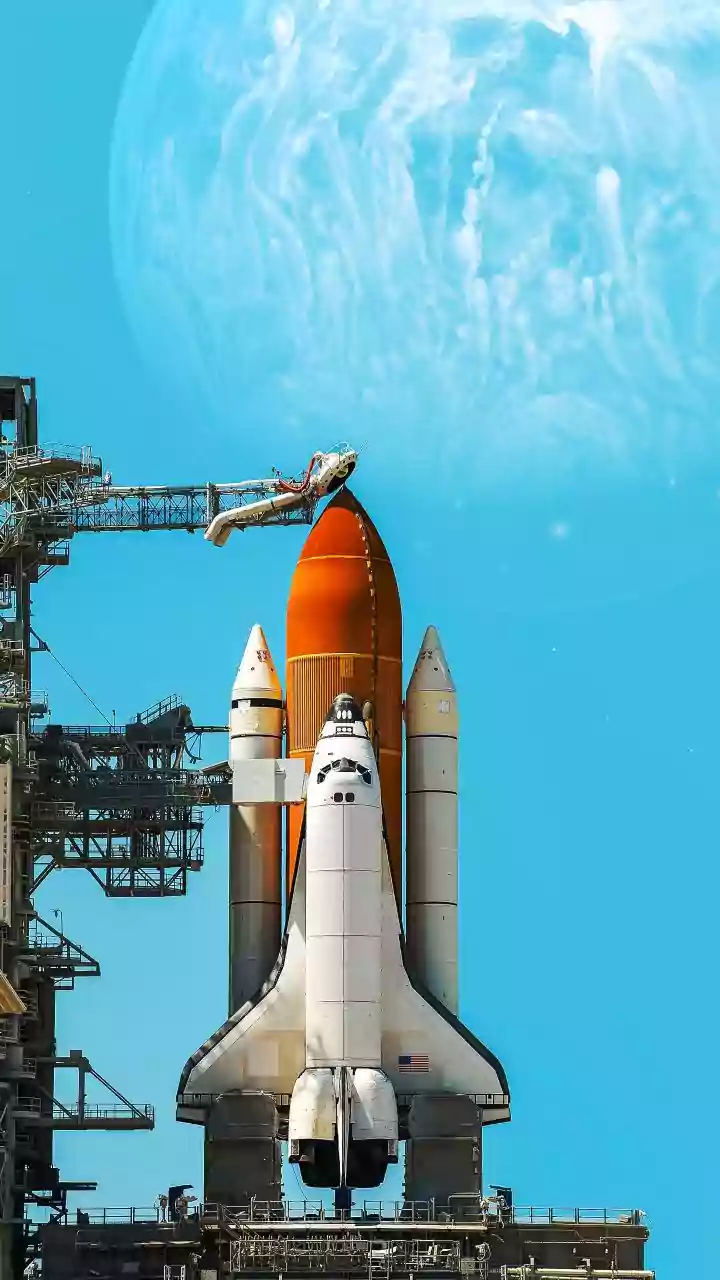
For decades, NASA designed, built, and operated nearly every component of its space missions. This approach put humans on the Moon but was incredibly expensive and time-consuming. More recently, NASA tested a new model closer to home. Through its Commercial
Crew and Cargo programs, the agency paid private companies like SpaceX to act as a taxi service, ferrying astronauts and supplies to the International Space Station (ISS). This freed up NASA to focus on the science happening aboard the station. The success of this public-private partnership model in Earth orbit has emboldened the agency to apply the same logic to a much more distant and challenging destination: Mars.
The Commercial 'Delivery Service' to the Red Planet
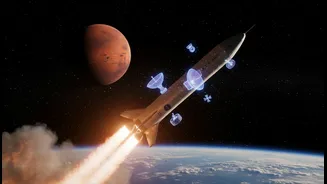
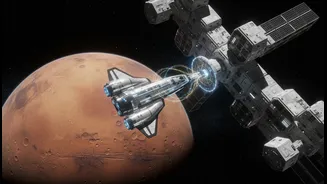
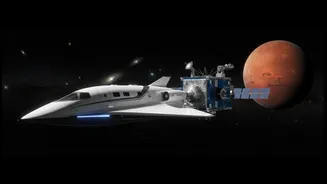
The new Mars strategy follows a simple but powerful division of labor. NASA defines the scientific objectives, then turns to commercial partners to handle the transport. In a groundbreaking agreement, NASA is partnering with Relativity Space for a 2028 mission to the Red Planet. Under this deal, NASA's Ames Research Center is designing and building a sophisticated suite of weather instruments called Aeolus. Relativity Space, in turn, is responsible for providing the rocket, the spacecraft, and the interplanetary flight operations to get the payload safely to Mars. This approach turns a multi-billion-dollar, decade-long mission into something resembling a commercial delivery service, dramatically lowering costs and increasing the potential frequency of missions.
Unleashing NASA's Scientific Core
By outsourcing the 'getting there,' NASA can dedicate its budget, world-class engineers, and brilliant scientists to its core mission: exploration and discovery. Instead of managing the complexities of launch vehicle development, the agency can pour its resources into creating the next generation of scientific instruments. The Aeolus payload for the 2028 mission is a perfect example. It consists of four advanced sensors that will provide the first daily, global view of Martian winds, temperatures, dust, and clouds. This data is not just scientifically valuable; it is essential for de-risking future missions, providing the detailed atmospheric knowledge needed to safely land larger robotic explorers and, eventually, astronauts on the surface.
A Force Multiplier for Science
NASA Administrator Jared Isaacman has called these public-private partnerships a "force multiplier for science." By pairing government-funded research with commercial innovation, NASA can deliver more science, more often. This model fosters competition among private companies, which drives down costs and accelerates technological development. For the private partners, the prize is immense: a high-profile interplanetary mission that provides critical flight experience and proves their deep-space capabilities, making them competitive for future contracts. For NASA and the public, the benefit is a faster, more sustainable path to understanding and eventually exploring Mars.
Building an Entire Martian Ecosystem
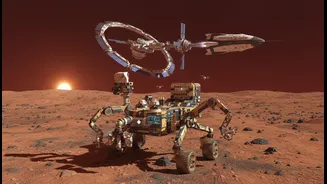
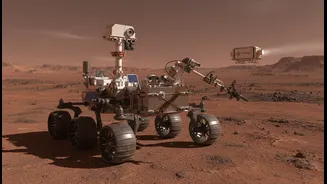
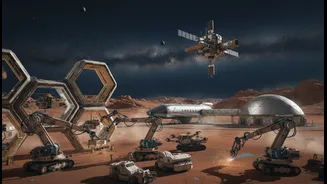
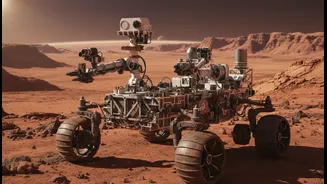
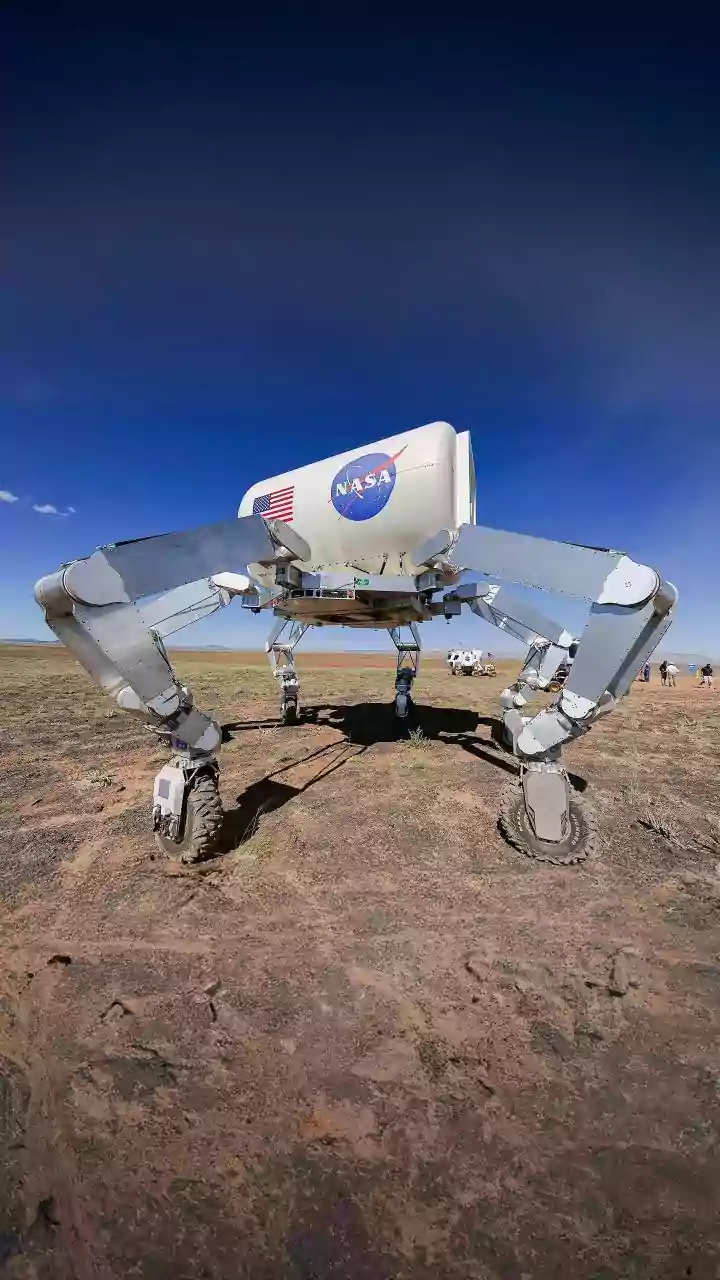
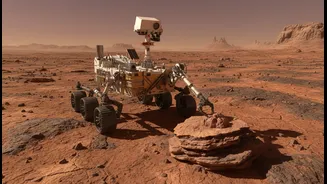
This strategy extends beyond just launch services. NASA is also fostering a commercial ecosystem for technology on the Martian surface. Through its STRIDE initiative, the agency recently awarded contracts to seven companies to advance next-generation robotic mobility systems. The goal is to develop rovers and other vehicles that can access more challenging terrain and travel greater distances than current systems allow. By investing in these capabilities now, NASA is laying the groundwork for a future where a host of commercial and scientific activities can take place on the Red Planet, supported by a network of specialized private partners.