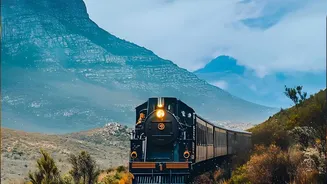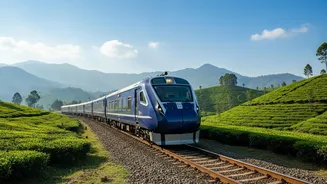





A New Chapter for Royal Railways
For decades, iconic trains like the Palace on Wheels and the Deccan Odyssey were primarily marketed to affluent foreign tourists, with price tags that kept them firmly in the realm of fantasy for most Indians. However, a strategic shift is underway. Facing
lower occupancy rates, operators are now rolling out significant offers to attract domestic travellers. For instance, the Palace on Wheels has introduced compelling 'companion offers' for its 2026-27 season, allowing a second passenger to travel at a 50% discount on certain departures. Similarly, the Golden Chariot, which journeys through South India, announced a 20% discount on most of its trips for the upcoming season to make the experience more attainable. This move is a direct response to a need to fill seats and a recognition of the growing aspirational spending power of the Indian market.
The Gen Z Effect: Slower, Smarter Travel
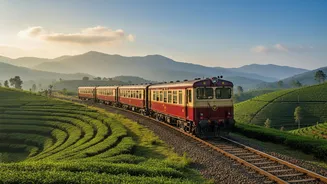
So why are younger travellers, often perceived as budget-conscious, gravitating towards these grand journeys? The answer lies in a fundamental shift in travel philosophy. For Gen Z, the journey itself is as important as the destination. This generation prioritises unique, experience-rich travel over generic sightseeing. Reports indicate that young Indians are increasingly choosing slower, more immersive forms of travel, valuing cultural connection and personal growth. A train journey, unlike a quick flight, offers a front-row seat to the country's evolving landscapes and fosters a social atmosphere. This preference for 'slow travel' aligns perfectly with the unhurried, all-inclusive nature of a luxury train trip, which offers curated excursions to forts, palaces, and wildlife reserves. The desire for distinctive, memorable content for social media also plays a role, and a trip on a heritage train provides an abundance of visually stunning moments.
What a Modern Royal Journey Looks Like
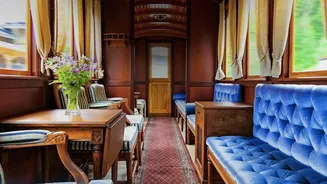
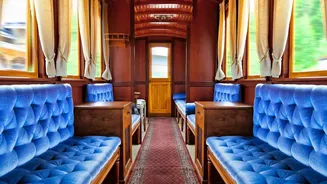
Stepping aboard one of these trains is like entering a bygone era, but with modern comforts. The Deccan Odyssey, for example, boasts private en-suite cabins, two restaurant cars, a bar lounge, and even a spa car with a gym. Passengers are treated to a blend of Indian and international cuisine, and off-train excursions are meticulously planned with private guides. Similarly, the Golden Chariot recently revamped its coaches with refreshed interiors, new linens, and enhanced safety features like CCTV cameras. These trains are essentially five-star hotels on wheels, where every detail is managed, from meals and sightseeing to comfort and service. This all-inclusive model appeals to a generation that values convenience and curated experiences, transforming a simple vacation into a seamless, stress-free adventure.
Defining 'Budget-Friendly' in Luxury Travel
While the headline proclaims these trips are 'budget-friendly', it's a relative term. A discounted ticket on a luxury train is still a significant expense. For example, a six-day trip on the Golden Chariot, even with a 20% discount, can cost over ₹3.8 lakh per person. The Palace on Wheels companion offer makes it more affordable for two people travelling together, effectively offering a 25% discount on the total cost for the pair. While not exactly cheap, these prices are moving from 'prohibitively expensive' to 'special occasion splurge' for a wider segment of the population. The move is less about becoming a budget option and more about opening the door to domestic tourists who are willing to invest in a once-in-a-lifetime experience, a trend that aligns with the Gen Z preference for spending on experiences over material goods.