





The Sugary Soda Trap
We all know that sugary sodas aren’t our healthiest choice. That quick burst of energy is often followed by a crash, and the long-term effects are well-documented. Packed with refined sugars or high-fructose corn syrup, these drinks offer what experts
call 'empty calories'—energy with virtually no nutritional value. Regular consumption is linked to a host of issues, from weight gain to an increased risk of type 2 diabetes and heart problems. The high sugar content can lead to inflammation and disrupt your body's natural blood sugar regulation. Breaking the habit can feel tough, especially when these drinks are everywhere, marketed as the ultimate thirst-quencher. But the key isn’t deprivation; it's finding a replacement that is just as satisfying, if not more so.
Meet Hibiscus: The Crimson Powerhouse
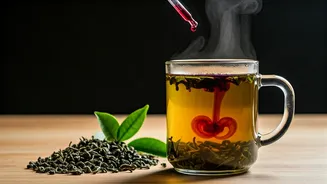
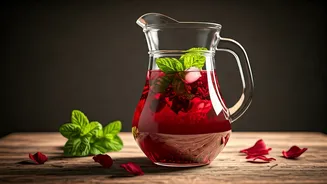
Enter hibiscus tea. Brewed from the dried calyces of the hibiscus sabdariffa flower, this drink is a feast for the senses. It boasts a stunning, deep ruby colour and a flavour profile that is tart, tangy, and reminiscent of cranberries. It’s naturally caffeine-free, making it a perfect beverage for any time of day. But its appeal goes far beyond its taste. Hibiscus is packed with antioxidants, particularly anthocyanins, which are responsible for its rich colour. These compounds help fight free radicals, which are unstable molecules that can cause cellular damage in the body. Furthermore, several scientific studies have suggested a link between regular hibiscus tea consumption and healthier blood pressure levels. While it's not a replacement for medication, incorporating it into your routine can be a supportive measure for cardiovascular wellness.
The Cooling Touch of Mint
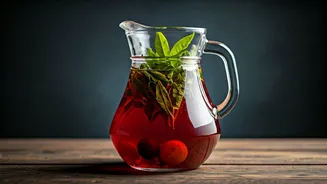
Adding fresh mint to hibiscus tea is a match made in heaven. The cool, sharp flavour of mint perfectly balances the tartness of the hibiscus, creating a complex and incredibly refreshing drink. But like hibiscus, mint brings its own set of wellness benefits to the cup. It’s most famous for its ability to soothe the digestive system. The compound menthol, found in mint, has a calming effect on the muscles of the stomach, which can help ease indigestion and bloating. That’s why a cup of mint tea is often recommended after a heavy meal. Its invigorating aroma can also help sharpen your focus and clear your mind, providing a gentle mental lift without the jittery side effects of caffeine or the sugar crash from a soda.
How to Brew The Perfect Cup
Making your own hibiscus mint tea is incredibly simple and much more affordable than buying pre-bottled drinks. You can find dried hibiscus flowers (sometimes called 'sorrel' or 'roselle') online, in health food stores, or at many Indian grocers. **Here's a basic recipe for a litre:** 1. Bring 1 litre of water to a boil in a pot. Once boiling, turn off the heat. 2. Add a handful (about ¼ cup) of dried hibiscus flowers and a generous handful of fresh mint leaves to the hot water. 3. Cover the pot and let it steep for 10-15 minutes. The longer it steeps, the stronger and more tart the flavour will become. 4. Strain the tea through a fine-mesh sieve into a pitcher or jar to remove the flowers and mint leaves. 5. Enjoy it warm, or let it cool and then refrigerate for a refreshing iced tea.
Make It Your Own
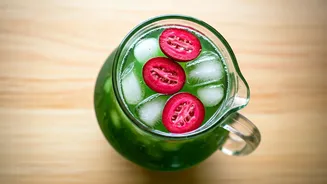
The beauty of this tea is its versatility. If you find the brew too tart, you can add a natural sweetener while it's still warm. A spoonful of honey, a bit of jaggery, or a few drops of stevia are all healthier alternatives to refined sugar. For an extra layer of flavour, try adding a few slices of lime or orange to the brew. A cinnamon stick or a few slices of fresh ginger can also be added during the steeping process for a warm, spicy note, which is particularly lovely in the winter months. For iced tea, serve it in a tall glass with plenty of ice and a fresh mint sprig for garnish. Making a large batch at the start of the week ensures you always have a healthy, delicious drink waiting for you in the fridge.