








Your Passport's Six-Month Rule
The single most common reason travellers are denied boarding is an invalid passport. This often has less to do with the expiry date itself and more with the 'six-month validity rule'. Most countries, including popular destinations in Southeast Asia, the Middle
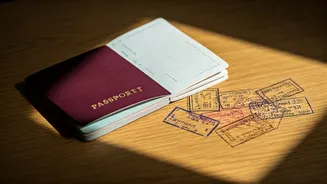
East, and Europe, require your passport to be valid for at least six months from your date of entry. Airlines are strict about this because they face heavy fines for transporting passengers with incorrect documents. Before you book anything, check your passport's expiry date. If it’s expiring within the next nine to twelve months, it is safest to renew it. Also, ensure you have at least two blank pages for entry and exit stamps, a requirement for many nations.
Decoding Visa Requirements
Visa rules for Indian passport holders are constantly evolving. While many countries now offer visa-free entry or visa-on-arrival, you must verify the latest regulations before every single trip. For destinations like Thailand and Malaysia, recent policies have allowed for visa-free tourism, but this can be temporary. Others, like Indonesia and the Maldives, offer a straightforward visa-on-arrival process. However, 'visa-free' doesn't mean document-free. You will almost always need to show proof of a return flight ticket, confirmed hotel bookings, and sometimes evidence of sufficient funds for your stay. For countries requiring a pre-approved visa, like those in the Schengen Area, start the application process well in advance. Always check the official embassy or consulate website of your destination for the most accurate information.
Essential Documents Beyond Passport and Visa
Your travel folder should contain more than just your passport. Airlines and immigration officials may ask to see a complete set of documents to verify the purpose and duration of your trip. Always carry printed copies of your return flight tickets and all hotel or accommodation confirmations. Some countries may also ask for a detailed itinerary. It is also wise to carry a few extra passport-sized photographs, as they can be required for visas on arrival or other local registrations. Having these documents organised and readily accessible can significantly speed up your immigration process and prevent unnecessary stress.
The Importance of Travel Insurance
While not always mandatory, travelling without insurance is a significant risk. For some destinations, such as the 29 Schengen countries in Europe, having travel insurance with a minimum medical coverage is a strict visa requirement. Beyond being a requirement, a good policy is a crucial safety net. It can cover unforeseen medical emergencies, which can be astronomically expensive in a foreign country. Furthermore, comprehensive plans offer protection against trip cancellations, lost or delayed baggage, and even the loss of your passport. The financial peace of mind it offers is well worth the modest investment.
Your Emergency Backup Plan
Losing your passport overseas can be a terrifying experience, but a little preparation can make it manageable. Before you leave, make several colour photocopies of your passport's main pages and your visa. Keep one set in your checked luggage and another separate from your main wallet. Also, save digital copies to your email or a secure cloud drive. If your passport is lost or stolen, the first step is to file a report at the nearest police station. With a copy of the police report, you should then contact the nearest Indian Embassy or Consulate. They can issue an Emergency Certificate to allow you to return to India or assist you in applying for a new passport.