





Plan Your Meals and Shop Smart
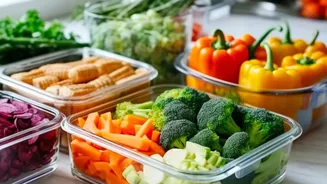
The single most effective way to reduce food waste is to prevent it at the source: the grocery store. Before you shop, plan your meals for the week. Check your pantry and fridge to see what you already have, then create a detailed shopping list and stick
to it. This prevents impulse buys and the classic mistake of purchasing ingredients you 'might' use, which often end up wilting in the fridge. For perishable items like vegetables and fruits, consider buying smaller quantities more frequently instead of a large weekly stock-up. This ensures everything stays fresh and is less likely to spoil before you can use it.
Master Your Kitchen Storage
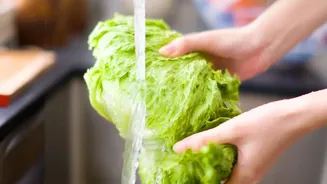
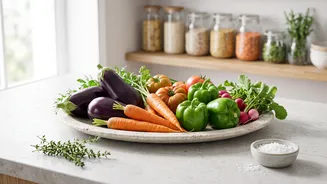
Proper storage is crucial, especially in India’s varied climates. Many fruits and vegetables have different storage needs. For instance, onions and potatoes should be kept in a cool, dark, and dry place, but stored separately to prevent sprouting. Leafy greens like spinach and coriander last longer when washed, thoroughly dried, and stored in an airtight container lined with a paper towel. Traditional methods, like keeping certain vegetables in clay pots or cloth bags, can also be effective. For dry goods like dals and flours, airtight containers are essential to protect them from humidity and pests, extending their shelf life significantly.
Adopt the 'First In, First Out' Rule
The 'First In, First Out' (FIFO) method is a simple but powerful organisational habit. When you bring new groceries home, move older items to the front of your fridge and pantry, and place the new ones at the back. This ensures that you see and use the older products first, preventing them from being forgotten and eventually spoiling. You can even create a designated 'Use First' box or shelf in your fridge for items that are nearing their expiry date. This small change in routine can dramatically cut down on the amount of food that gets pushed to the back and forgotten.
Cook Mindfully and Control Portions
Even with perfect planning and storage, waste can happen during cooking and serving. Be mindful of portion sizes. In many modern households, not everyone eats every meal at home. Adjust the amount you cook based on who will actually be present for the meal, rather than cooking for the full family out of habit. Serving smaller portions initially allows people to take more if they are still hungry, reducing the amount of uneaten food left on plates. This simple step respects both the food and the effort that went into preparing it.
Give Leftovers a Second Life
Leftovers aren't a sign of failure; they are an opportunity for a creative next meal. Instead of letting them sit in the fridge, plan to repurpose them. Leftover dal can be thickened and used as a paratha stuffing or thinned into a soup. Extra rice is perfect for making classic lemon rice or a quick fried rice. Stale rotis can be turned into a delicious chapati upma or baked into crispy snacks. With a little creativity, yesterday's sabzi can become the filling for a sandwich or cutlets for tea time.
Use Scraps You'd Normally Throw Away
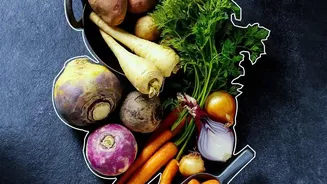
Many parts of vegetables that we habitually discard are perfectly edible and nutritious. Coriander and broccoli stems, cauliflower leaves, and carrot tops can all be used in your cooking. Stems can be finely chopped and added to stir-fries or sabzis. Vegetable peels from carrots and bottle gourds, along with onion skins, can be simmered to create a flavourful homemade stock for soups and curries. Even potato peels, when tossed with a little oil and spice, can be baked into crispy, delicious chips. This 'root-to-leaf' approach maximises your ingredients and minimises your dustbin.