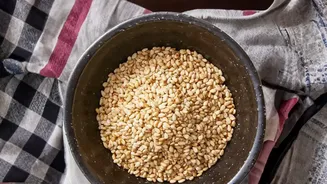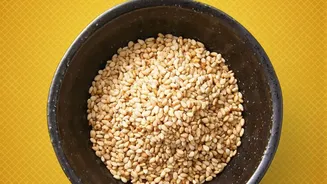




That warm, nutty fragrance that fills the kitchen when spices hit a hot pan is more than just pleasant; it's a sign of a profound flavour transformation. This simple step is one of the easiest ways to elevate your cooking from good to great.
The Science of Aromatic Transformation
Toasting spices
isn't just a ritual; it's chemistry in action. Spices get their signature scents and flavours from volatile oils locked within their cellular structure. When you apply gentle, dry heat, these oils are 'awakened'. The heat causes the cell walls to break down, releasing these aromatic compounds. This is why you smell cumin or coriander long before it changes colour—their essential oils are becoming airborne. At the same time, another crucial process is happening on the surface: the Maillard reaction. This is the same chemical reaction that gives seared steak and toasted bread their delicious browned flavour. It occurs between amino acids and sugars in the spice, creating hundreds of new, complex flavour compounds that are nutty, roasty, and earthy—notes that were not present in the raw spice. This process also drives off any residual moisture, which further concentrates the flavour.
Whole Spices Versus Ground
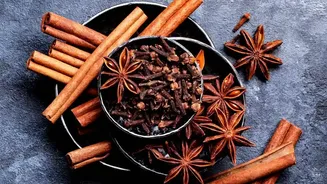
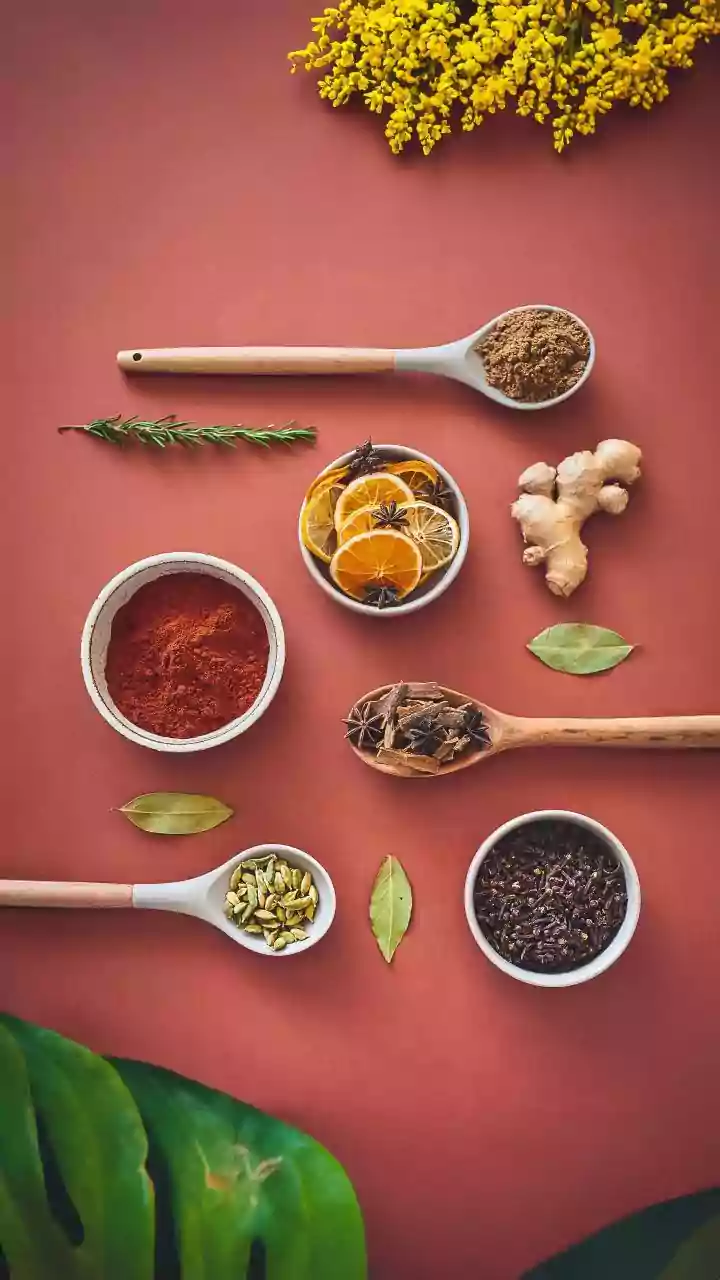
The benefits of toasting are most dramatic with whole spices. Seeds, pods, and barks like cumin, coriander, cardamom, and cinnamon have their oils neatly protected inside. Toasting them whole in a dry pan allows for even heating and a controlled release of flavour. Once toasted and cooled, you can grind them for the most potent and fresh spice powder imaginable. The difference between freshly toasted and ground cumin versus its pre-ground equivalent is often revelatory. Ground spices, on the other hand, are more delicate. Since their cell walls are already broken, their surface area is much larger, making them prone to burning. Dry toasting ground spices is possible but requires very low heat and constant attention for just 30-60 seconds. A more common and effective technique for ground spices is 'blooming', which involves briefly frying them in hot oil or ghee. The fat extracts the fat-soluble flavour compounds and distributes them evenly throughout the dish.
A Simple Guide to Toasting
Mastering this technique requires more attention than time. Start with a heavy-bottomed, dry skillet over medium-low heat. Add your whole spices in a single layer—overcrowding the pan leads to uneven toasting. Now, stay present. Keep the spices moving by shaking the pan or stirring constantly. The process is quick, often taking just one to three minutes. Your nose is your best guide. You'll know the spices are ready when their aroma becomes noticeably stronger and more complex. Some seeds, like cumin, may darken slightly, while others, like coriander, turn a shade warmer. Once they reach this fragrant peak, immediately transfer them to a cool plate to stop the cooking process. Leaving them in the hot pan is a guaranteed way to turn them bitter.
Common Mistakes and How to Avoid Them
The most common mistake is using heat that is too high. High heat will scorch the outside of the spice before the fragrant oils inside have been released, creating a bitter, acrid taste. Always opt for low-to-medium heat and patience. The second cardinal sin is walking away from the pan. The window between perfectly toasted and burnt can be as short as 15 seconds. This is not the moment to check your phone. Another pitfall is toasting too much at once. It's better to work in small batches to ensure everything toasts evenly. Finally, if you plan to grind your spices, let them cool completely first. Grinding them while still warm can release steam, resulting in a clumpy paste rather than a fine powder.