





What is a Coffee Brewing Ratio?
A coffee brewing ratio is simply the relationship between the amount of coffee grounds and the amount of water you use to brew them. It's expressed as a pair of numbers, like 1:16. This means for every 1 gram of coffee, you use 16 grams of water. This might
sound overly technical, but it's the single most important variable for controlling the strength and flavour of your coffee. Using a ratio allows you to scale your recipe up or down—from a single mug to a full pot—and achieve the same great taste every single time. Get the ratio right, and you're most of the way to a perfect cup; get it wrong, and other factors like grind size or water temperature can't save it.
Why Grams Are Better Than Scoops
Many of us are used to measuring coffee with a scoop or tablespoon. While convenient, this method is surprisingly inconsistent. The actual weight of a scoop of coffee can vary significantly based on the bean's roast level, origin, and even how finely it's ground. Dark roast beans are less dense than light roast beans, so a scoop of each will not weigh the same. A simple digital kitchen scale, which can be found affordably, eliminates this guesswork entirely. Measuring by weight ensures that 20 grams of coffee is always 20 grams, giving you a reliable foundation for your brew and making great results repeatable.
The 'Golden Ratio' Starting Point
In the coffee world, you'll often hear about the 'golden ratio'. While there's no single magic number, the Specialty Coffee Association (SCA) suggests a starting point around 1:18—or 55 grams of coffee per litre of water. However, a more common and practical starting point for many home brewing methods is a ratio between 1:15 and 1:17. A good, balanced place to begin for your first attempt is 1:16. Remember, a smaller second number (like 1:15) means less water per gram of coffee, resulting in a stronger, more concentrated brew. A larger number (like 1:18) means more water and a lighter, more delicate cup.
Ratios for Popular Home Brewers
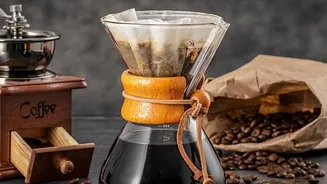
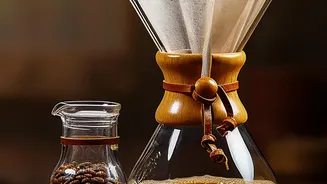
Different brewing methods extract flavour differently, so each has its own ideal starting ratio. Use these as a guide and adjust to your preference: Automatic Drip Coffee Maker: A ratio of 1:16 or 1:17 is a great baseline for most standard machines. This translates to about 60 grams of coffee per litre of water. Pour-Over (V60, Chemex): This method shines with a ratio between 1:15 and 1:17. Start with 1:16 for a clean, balanced cup. A 1:15 ratio will give you a bolder brew that holds up well to milk. French Press: Because this is a full-immersion method where grounds steep directly in water, it benefits from a slightly stronger ratio, typically between 1:12 and 1:15. A 1:15 starting point is excellent for a rich, full-bodied cup. AeroPress: This versatile brewer works well anywhere from 1:12 to 1:16 for a standard cup. Many users also create a strong concentrate at a ratio like 1:6 and then dilute it with hot water. * Cold Brew: To make a concentrate that you can dilute later, use a much stronger ratio, anywhere from 1:4 to 1:8. A common starting point is 1:5, which you can then cut with water or milk to your desired strength.
Finding Your Perfect Cup
The golden ratio is a guideline, not a strict rule. The real goal is to find the ratio that makes a cup of coffee you love. Start with the recommended ratio for your brewer, like 1:16, and taste it. Is it too strong and intense? Try a 1:17 ratio next time by adding a little more water for the same amount of coffee. Is it weak or watery? Try a 1:15 ratio to increase the concentration. Keep the amount of coffee the same and only adjust the amount of water. Once you find your preferred strength, you can then fine-tune the flavour by making small adjustments to your grind size. If it tastes sour, your grind might be too coarse; if it's bitter, it might be too fine.