


The Never-Ending 'New'
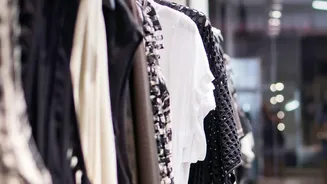
Not long ago, fashion followed the seasons. Brands would release a Spring/Summer collection and an Autumn/Winter collection. Today, the calendar has been torn to shreds. Ultra-fast fashion giants have accelerated the trend cycle from months to mere days,
with some brands dropping thousands of new styles every single week. This business model, often called the "drop model," is designed to create a constant sense of urgency and scarcity. By releasing limited collections with little advance notice, brands encourage immediate purchases, telling consumers that if they don't buy it now, it will be gone forever. This transforms shopping from a periodic activity into a continuous, high-speed hunt for the next new thing.
Manufacturing Dissatisfaction
The psychological effect of this constant newness is profound. Social media has amplified the notion that repeating an outfit is a fashion sin. This idea, once reserved for celebrity red carpet critiques, now applies to everyone with a social media profile. This has created a culture where our clothes feel disposable. A 2017 poll found that 41% of young women felt pressure not to wear the same outfit twice. This isn't just about style; it's about perceived social value. The constant stream of new items feeds a cycle where the pleasure of a purchase is fleeting, quickly replaced by the desire for the next item. In this environment, outfit repeating is framed as a lack of creativity or status, rather than a normal, practical behaviour. We are subtly taught that our existing wardrobe is never enough.
The Hidden Cost of Constant Consumption
This manufactured problem comes with a very real price tag for the planet. The fast fashion industry is a major global polluter, responsible for an estimated 8-10% of global carbon emissions and 20% of all industrial water pollution. Producing clothes, especially with the speed and volume of fast fashion, consumes immense amounts of water and energy. Many of these clothes are made from cheap, synthetic materials like polyester, which shed microplastics into our oceans with every wash and can take hundreds of years to decompose in landfills. The average consumer throws away a staggering amount of clothing each year, much of which is barely worn. This model, built on rapid production and disposability, has created a massive waste crisis, with an estimated 87% of all textile input ending up burned or in a landfill.
The Quiet Rebellion of the Outfit Repeater
In response to this culture of excess, a counter-movement is gaining strength: slow fashion. This philosophy champions quality over quantity, encouraging consumers to buy fewer, more durable items and to care for them longer. A core tenet of this movement is embracing outfit repetition. Far from being a fashion faux pas, re-wearing clothes is being reframed as a smart, sustainable, and stylish choice. Public figures and influencers are increasingly seen repeating favourite pieces, sending a powerful message that style isn't about constant newness, but about personal expression and confidence. Simply wearing a garment for nine months longer can reduce its environmental impact by 20-30%. Being an outfit repeater is a quiet act of rebellion against a system that profits from our dissatisfaction.
Finding Style Beyond the Shopping Cart
Breaking free from the cycle of weekly drops begins with a shift in mindset. It's about rediscovering the joy within your own closet and separating your personal style from fleeting trends. Style is about how you wear something, not how new it is. The most stylish people often have a signature look, a personal 'uniform' that reflects their identity, not the latest delivery from a fast-fashion website. True style is built on consistency and self-awareness. When we stop seeing our wardrobe as a problem to be solved with more purchases, we can start viewing it as a curated collection of pieces we truly love. The goal is to move from being a passive consumer to an active stylist of your own life, finding new ways to wear old favourites and expressing yourself with confidence.