







Lean into Empathy and Human Care
One of the most durable moats against AI is the need for genuine human connection, empathy, and trust. Fields like healthcare, therapy, and education are prime examples. AI can assist with diagnostics or create lesson plans, but it cannot replicate the nuanced,
empathetic care of a nurse, the emotional intelligence of a mental health counsellor, or the mentoring ability of a great teacher. The Indian Economic Survey specifically highlighted roles in elder care, nursing, and special needs education as being resistant to AI disruption. Upskilling in these areas involves strengthening soft skills like active listening, emotional intelligence, and building rapport. For those in adjacent fields, consider certifications in patient care, counselling, or educational development.
Master Complex Strategy and Creativity
AI is excellent at executing tasks based on existing data, but it struggles with true originality and complex, multi-domain strategic thinking. Roles that require crafting novel strategies, solving unpredictable problems, or generating original creative work remain firmly in the human domain. This includes creative directors, brand strategists, senior legal professionals, and business leaders. According to the World Economic Forum, creative and analytical thinking are among the most in-demand skills. To upskill, focus on developing strategic frameworks, cross-functional project leadership, and creative problem-solving. Engage in projects that force you to think beyond the data and develop a unique vision. In India, senior roles in brand strategy and legal arbitration are seeing continued demand and high salaries.
Embrace Hands-On Skilled Trades
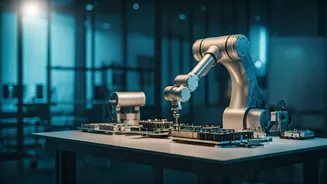
While AI dominates the digital world, the physical world presents a significant challenge for automation. Skilled trades that require physical dexterity, on-site problem-solving, and adaptability in unpredictable environments are highly AI-resistant. This includes electricians, plumbers, advanced manufacturing specialists, and renewable energy technicians. The more AI and robotics we deploy, the more we need skilled humans to install, maintain, and repair the physical infrastructure they run on. The Indian government has also noted that these hands-on professions are currently understaffed, representing a significant opportunity. Upskilling here means pursuing vocational training, apprenticeships, and certifications in high-demand trades, particularly those related to green energy and advanced manufacturing.
Become the Human Who Manages AI
Ironically, one of the best ways to build an AI-resistant career is to get closer to the technology itself. The rapid adoption of AI is creating a massive demand for professionals who can build, manage, and ethically guide these systems. This isn't just about being a coder. New roles are emerging in AI product management, AI ethics and governance, and AI implementation consulting. The key is to combine technical literacy with human judgment. Companies need people who can translate business needs into technical requirements, ensure AI models are fair and unbiased, and design workflows where humans and AI collaborate effectively. Upskilling could involve taking courses in AI basics, prompt engineering, cloud computing, or AI ethics to become the crucial link between the technology and the business.