


Good Fats, Bad Fats: A Simple Guide
Not all fats are created equal. The key to a heart-healthy diet is to understand the difference. Fats are broadly divided into two camps: unsaturated and saturated. Unsaturated fats, which are liquid at room temperature, are the heroes for your heart.
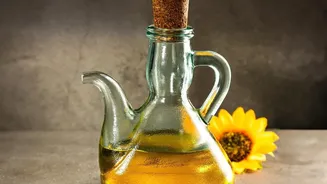
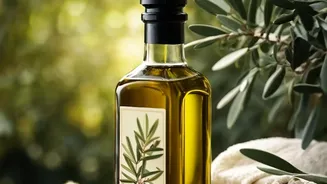
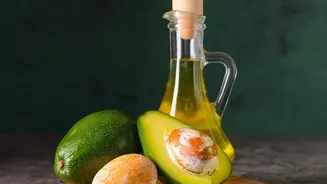
They come in two forms: monounsaturated (found in groundnut oil, olive oil, and avocados) and polyunsaturated (found in sunflower oil, soybean oil, walnuts, and fatty fish). These good fats help reduce levels of LDL, or "bad" cholesterol, which is a primary culprit in clogging arteries. On the other side are saturated fats and trans fats. Saturated fats, solid at room temperature, are found in foods like butter, ghee, coconut oil, and red meat. While they can be consumed in moderation, a high intake is linked to increased LDL cholesterol. The worst offender, however, is artificial trans fat. Created through an industrial process to solidify vegetable oils, these fats both raise bad LDL cholesterol and lower good HDL cholesterol, creating a double-threat to your cardiovascular system.
Rethinking 'Traditional' Indian Cooking Fats
In many Indian households, 'traditional' often means ghee or vanaspati. While pure ghee has been a cultural staple for centuries and contains some beneficial vitamins, it is high in saturated fat. Major health bodies recommend limiting saturated fat to a small fraction of your daily calories. For individuals with high cholesterol, this means using ghee very sparingly, perhaps half a teaspoon to flavour a dal rather than using it as a primary cooking medium. Vanaspati, or hydrogenated vegetable oil, poses a far greater risk. It is a primary source of industrial trans fats, which are so harmful that health organizations worldwide advocate for their elimination. These fats are directly linked to an increased risk of heart attacks and strokes because they promote inflammation and the build-up of plaque in the arteries. Though regulations in India have reduced the trans fat content in vanaspati, it remains a less healthy choice compared to natural, unprocessed oils.
The Heart-Healthy Heroes for Your Kitchen
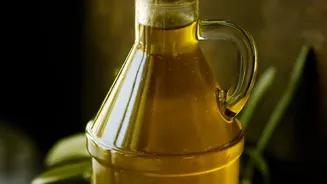
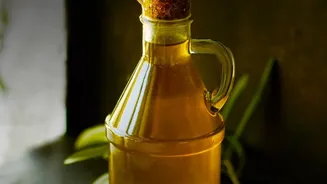
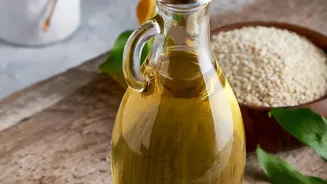
Making the switch is about choosing oils rich in monounsaturated and polyunsaturated fats. For Indian cooking, several excellent options are readily available. Mustard oil is a great all-rounder, with a good balance of omega-3 and omega-6 fatty acids and a high smoke point suitable for frying. Groundnut oil is another fantastic choice, high in monounsaturated fats and versatile enough for most dishes. Other beneficial oils include sunflower, safflower, canola, and soybean oil. These oils help lower bad cholesterol when they replace saturated fats in your diet. They also provide essential nutrients like Vitamin E, which acts as an antioxidant. The goal isn't to eliminate fat entirely—fat is essential for energy and vitamin absorption—but to replace unhealthy fats with those that actively support your heart.
Practical Tips for Making the Swap
Incorporating these changes into your daily routine doesn't require a complete overhaul of your cooking style. Start with small, manageable steps. Instead of using vanaspati or large amounts of ghee for your everyday sabzis and dals, switch to mustard or groundnut oil. Be mindful of the cooking method; for high-heat cooking and deep-frying, use an oil with a high smoke point like mustard or groundnut oil. For tadkas and light sautéing, a wider variety of oils work well. Another tip is to look beyond oils. Incorporate whole food sources of healthy fats like walnuts, flaxseeds, and almonds into your diet. You can add them to snacks, chutneys, or breakfast dishes. Reducing the overall quantity of fat used and avoiding the reuse of frying oil, which can create harmful compounds, are also simple yet effective strategies for a healthier heart.