






An Unprecedented Glimpse into Earth’s Engine
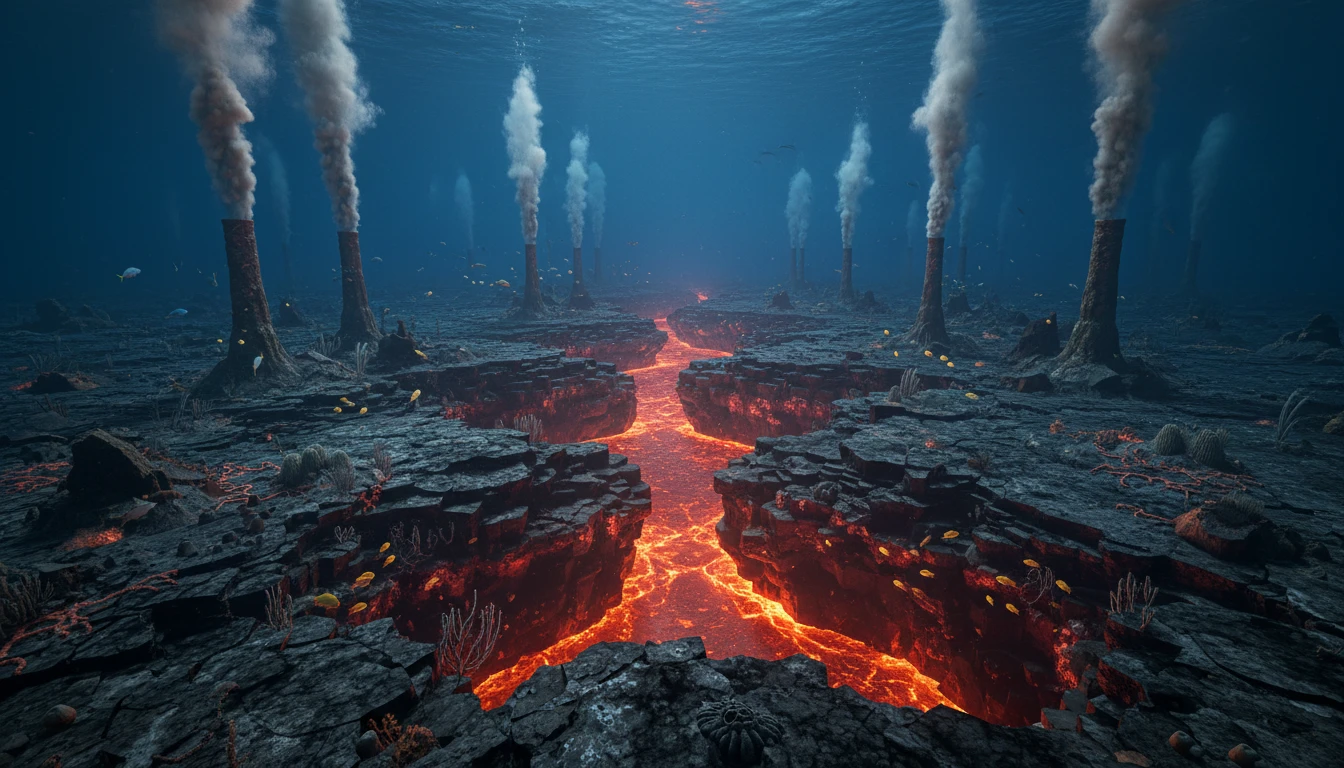
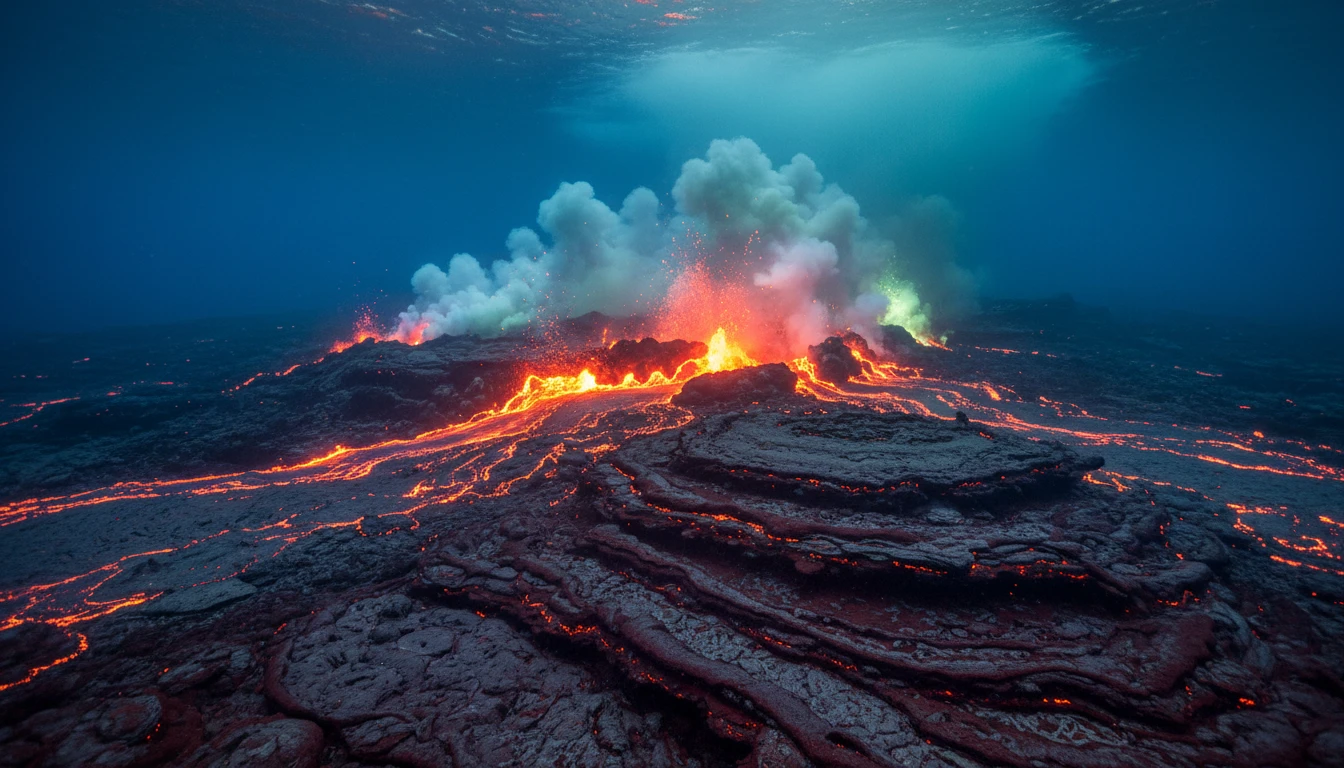
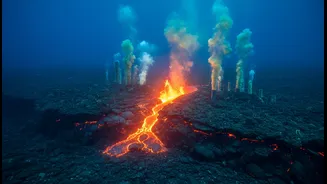
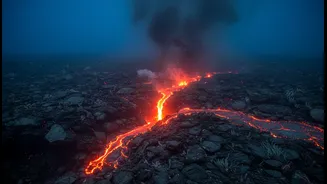
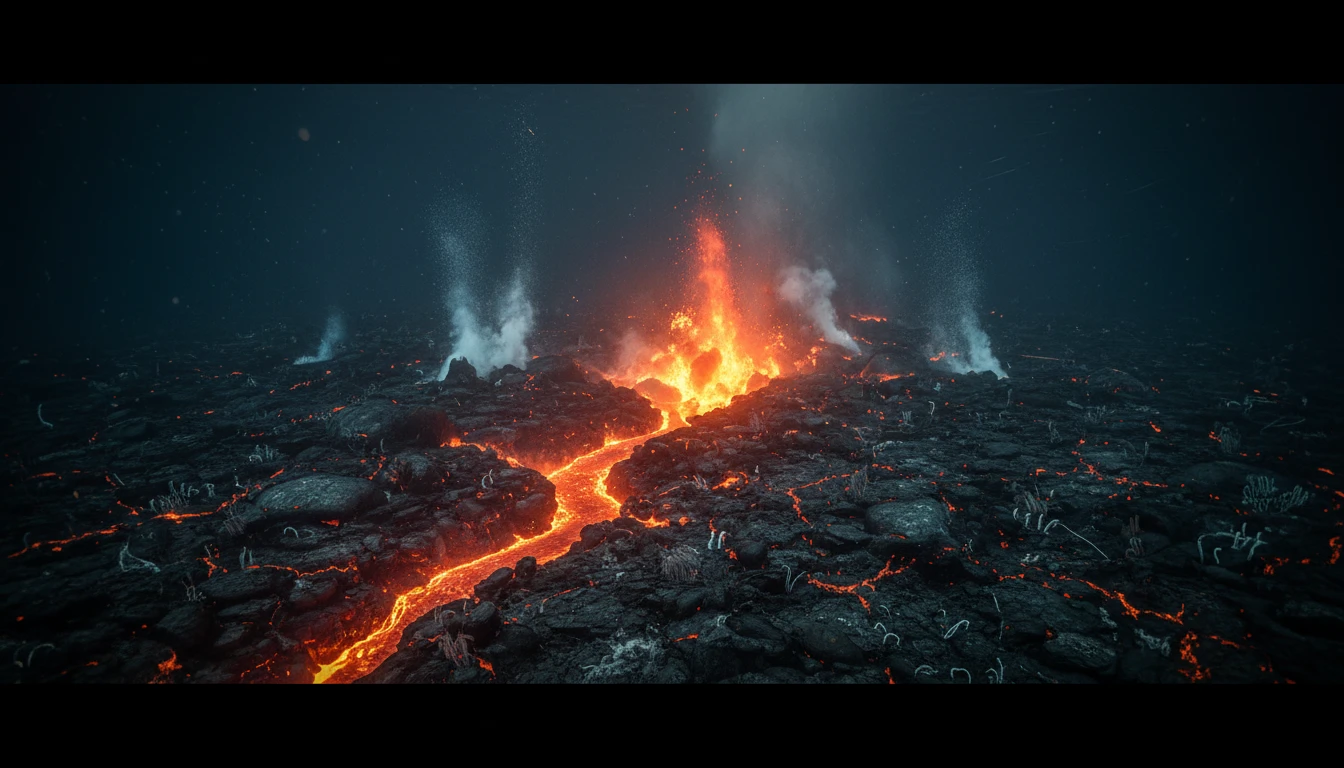
For the first time, scientists have witnessed a complete seafloor spreading event in real-time. In April 2024, an array of scientific instruments deployed on the Southeast Indian Ridge captured the seafloor splitting apart. Over just 16 days, an event unfolded
that would normally take decades. The seafloor moved apart by as much as 4.2 metres, releasing an estimated 160 million cubic metres of lava. This wasn't a slow, imperceptible creep; it was a rapid, powerful geological episode that provided a rare window into one of Earth's most fundamental processes. Researchers were fortunate to have deployed an autonomous observatory just two months prior, allowing them to capture the event with a combination of seismic sensors, acoustic monitors, and pressure gauges.
The Two Faces of Tectonic Activity
For many living around the Indian Ocean, any mention of powerful undersea earthquakes brings to mind the devastating risk of tsunamis. This is because the most destructive tsunamis are generated at subduction zones, where one tectonic plate is forced beneath another. This process can cause a massive and sudden vertical displacement of the seafloor, pushing up the entire column of water above it and sending a destructive wave across the ocean. However, not all tectonic boundaries are the same. The recent event occurred at a mid-ocean ridge, which is a divergent boundary where two plates are pulling apart. While this involves earthquakes and massive energy release, the mechanics are fundamentally different and far less likely to cause a major tsunami.
Why It Was About Building Land, Not Waves
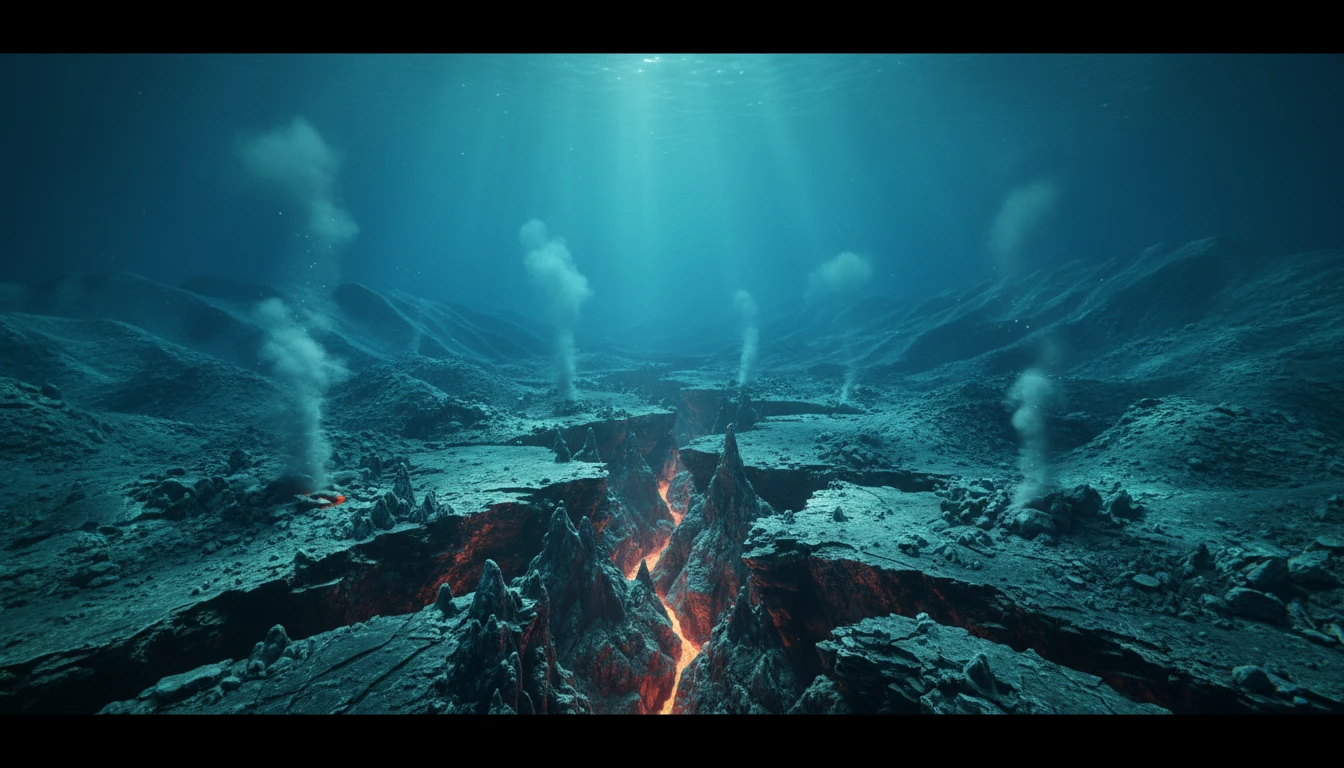
The key to understanding the low tsunami risk from this event lies in the direction of the movement. Seafloor spreading primarily involves horizontal motion as the plates pull away from each other. The April 2024 event was driven by magma from a reservoir deep beneath the crust pushing its way upwards. This caused the seafloor to crack and stretch apart, allowing lava to pour out and form new crust. Think of it like pulling a piece of fabric until it rips, rather than one side violently thrusting over the other. The movement was a combination of fault slips and the deflation of a massive magma chamber, but it lacked the large-scale vertical jolt necessary to create a basin-wide tsunami. The process is more about building and stretching the seafloor than it is about violently displacing the ocean above.
A New Understanding of the Ocean Floor
This observation places a 'key limit' on our previous understanding of how the ocean floor is created. Geologists have long known that seafloor spreading occurs, but it was widely believed to be a much slower, steadier process. This event shows that it can happen in rapid, episodic bursts, with decades' worth of accumulated strain being released in a matter of days. It solves a long-standing mystery known as the 'seismic deficit'—the gap between the measured rate of plate movement and the energy released by recorded earthquakes. Much of the movement, it turns out, can happen without major earthquakes, through a process called aseismic slip driven by magma. This provides a more complete and dynamic picture of the tectonic processes shaping the Indian Ocean floor.