






Understanding the October Heat Challenge
The period following the monsoon withdrawal often brings unseasonably warm and humid weather to Mumbai. This phenomenon, known as the October heat, isn't just uncomfortable; it poses genuine health risks. The combination of intense sun and high humidity
strains the body's ability to cool itself, leading to excessive sweating, loss of essential electrolytes, and a higher risk of dehydration, fatigue, and heat exhaustion. Doctors in the city report a noticeable increase in patients with symptoms like dizziness, weakness, and headaches during this time. Therefore, adapting your diet becomes a crucial first line of defence.
Hydration Heroes: More Than Just Water
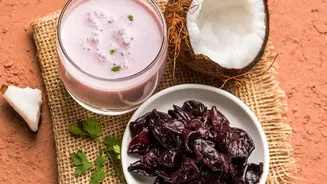
While drinking enough water is non-negotiable—aiming for at least 2.5 to 3 litres daily is a common recommendation—your body loses vital salts through sweat that water alone can't replace. Incorporating traditional Indian drinks is an effective strategy. Chaas (buttermilk), nimbu paani (lemonade with a pinch of salt), and coconut water are excellent for replenishing both fluids and electrolytes like sodium and potassium. Other cooling options include kokum sherbet, a regional favourite in Maharashtra, and drinks made with sabja (basil) seeds, which are known for their cooling properties. It's best to sip fluids consistently throughout the day rather than gulping large amounts at once.
Eat Your Water: Cooling Fruits and Vegetables
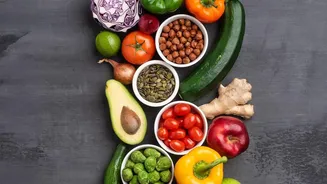
Your meals can significantly contribute to your hydration levels. Prioritise fruits and vegetables with high water content. Nature is intuitive, providing exactly what the season demands. Watermelon, which is about 92% water, is a perfect example, as are muskmelon, oranges, and sweet lime. For vegetables, cucumber, lettuce, and gourds like lauki (bottle gourd) are fantastic choices. These foods not only hydrate but also supply essential vitamins and antioxidants that help your body cope with heat stress. A simple cucumber and tomato salad or a bowl of raita with your meal can make a significant difference.
Lighter Meals for Lighter Days
Heavy, oily, and excessively spicy foods are best avoided during the October heat. The digestive process itself generates internal heat, and rich meals force your body to work harder, which can leave you feeling sluggish and even raise your core temperature. Instead of large, heavy meals, opt for smaller, more frequent ones. Focus on simple preparations like steamed vegetables, light dals, khichdi, and curd rice. These dishes are easier on the digestive system and help maintain stable energy levels without the post-lunch slump that often accompanies a heavy meal in hot weather.
What to Limit or Avoid
Certain foods and drinks can work against your body's efforts to stay cool and hydrated. Caffeinated beverages like coffee and tea, as well as alcohol, have diuretic effects, meaning they can cause your body to lose more fluid. It's also wise to limit very sugary packaged drinks, which can lead to energy crashes and don't provide the balanced hydration your body needs. Similarly, while nuts are healthy, some nutritionists suggest limiting them during intense heat as they can be heat-generating. The focus should remain on fresh, light, and water-rich foods that cool you from the inside out.