


Why You Can’t Just Double Everything
It seems logical to simply multiply every ingredient by two when you need to make a bigger batch. But cooking is a science, and changing the volume of ingredients fundamentally alters the chemistry and physics at play. The relationship between a liquid's
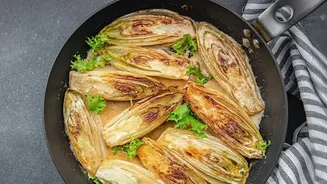
surface area and its volume is a key example. When you double a sauce, the depth of the liquid in the pot increases, but the surface area exposed to air for evaporation does not double with it. This single change affects how long it takes to thicken and can dilute flavours. Similarly, packing twice as many vegetables into a pan traps moisture, causing them to steam instead of getting that delicious caramelised browning. Understanding that cooking processes don't scale linearly is the first step toward successfully adapting any recipe.
Mastering the Heat
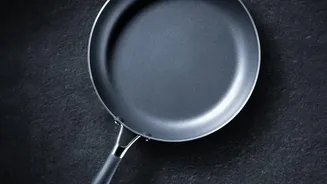
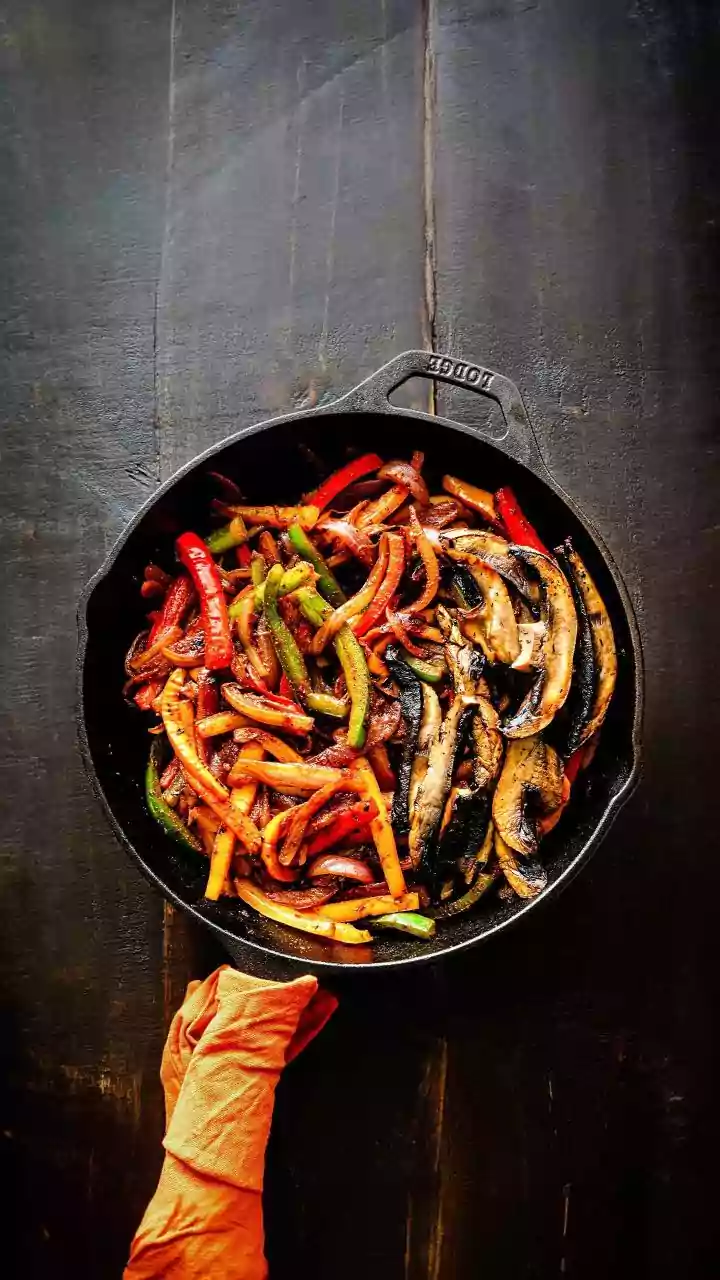
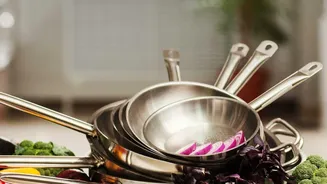
One of the most common pitfalls in scaling a recipe is managing heat. A larger mass of food requires more energy to heat up. Your stove burner, set to medium, doesn't know you’ve doubled the soup; it provides the same amount of energy. This means a larger pot will take significantly longer to come to a simmer. More importantly, overcrowding a pan is a recipe for disaster. Whether you're searing meat or sautéing onions, giving each piece adequate space and contact with the hot surface is crucial for developing flavour. When crowded, ingredients release water that gets trapped, lowering the pan's temperature and leading to a soggy, steamed texture rather than a crisp sear. For baked goods, a larger volume of batter in a single, deeper pan will likely result in burnt edges and a raw, doughy centre. The solution is often to use a larger pan or multiple pans to maintain the original depth of the food.
Rethinking the Clock
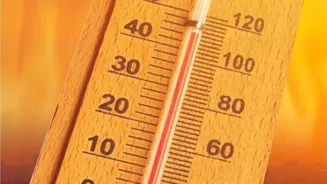
Just as you can't double the ingredients and expect the same results, you can't double the cooking time. In fact, the required time adjustment is rarely linear. For a larger roast or a thicker casserole, cooking time will certainly increase, but not necessarily by a predictable factor. Conversely, sometimes a scaled-down recipe takes longer than you'd expect; halving a recipe might take 75% of the original time, not 50%. The best approach is to use time as a guideline, not a strict rule. An instant-read thermometer becomes your best friend, allowing you to check for doneness based on internal temperature rather than the clock. For dishes like stews and sauces, where you're aiming for a certain consistency, you must rely on visual cues. Since a larger volume evaporates more slowly, you may need to simmer that double batch of sauce for much longer to achieve the right thickness. Start checking for doneness around the original recipe's suggested time and adjust from there.
Seasoning with Caution
Of all the elements, seasoning is the most deceptive to scale. Doubling the salt, cayenne pepper, or other potent spices is almost always a mistake that can render a dish inedible. Our perception of flavour, especially saltiness and heat, is not linear. A doubled amount of spice can feel exponentially more powerful. It’s a far better strategy to increase seasonings by about 1.5 times when you double a recipe, and then taste and adjust toward the end of cooking. This rule applies especially to salt, strong spices like chilli powder, and acidic ingredients like lemon juice or vinegar. Bulkier, aromatic herbs and vegetables like onions and carrots can often be scaled more directly, but when it comes to the finishing touches that define a dish's flavour profile, your palate is a more reliable guide than a calculator. Remember the golden rule of the kitchen: you can always add more, but you can't take it away.