








The Invisible World of Wild Yeast
Before we dive into humidity, let's talk about the key player: wild yeast. These are single-celled fungi that are literally everywhere—on fruits, grains, in the air, and on our kitchen surfaces. Unlike the commercial yeast you buy in packets, wild yeasts
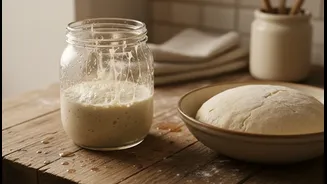
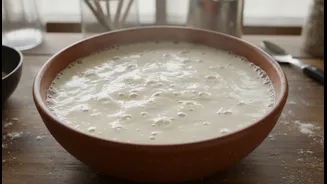
are a diverse community of microorganisms that are naturally present on the ingredients you use, like rice and lentils. When you mix flour and water to make a batter for dosa, idli, or even sourdough bread, you're creating a welcoming environment for these wild yeasts and beneficial bacteria to thrive. They get to work consuming the natural sugars in the flour, releasing carbon dioxide gas and organic acids in a process called fermentation. That gas is what makes your batter rise and gives it a light, airy texture.
Why Moisture is a Fermentation Supercharger
Yeast, whether wild or commercial, needs two things to really get going: warmth and water. Moisture is essential for activating yeast cells, allowing them to metabolize sugars and reproduce. This is where ambient humidity comes in. In a high-humidity environment, like during the monsoon season in India, there's more moisture in the air. This has a dual effect on your batter. First, the flour itself can absorb moisture from the air, making your batter feel wetter and stickier even if you used the same measurements. Second, the humid air creates a moisture-rich layer on the surface of the batter, keeping it from drying out and creating ideal conditions for the yeast to party. This heightened activity means fermentation happens much, much faster.
The Fermentation Duo: Heat and Humidity
High humidity rarely travels alone; it's often accompanied by warm temperatures. This combination is the ultimate accelerator for yeast. Most yeasts thrive in a warm environment, with their activity peaking somewhere between 25-35°C. When your kitchen is both warm and humid, you've created a perfect incubator. The yeast activity skyrockets, causing the batter to ferment at a rapid pace. This is why a batter that might take 12 hours to ferment in a cool, dry winter might be ready in as little as 4-6 hours during a hot, humid summer day. The risk, however, is that this rapid fermentation can easily go too far, leading to an overly sour taste and a compromised texture.
Signs of an Over-Fermented Batter
How can you tell if the humidity has pushed your batter over the edge? The most obvious sign is a very sharp, sour smell. While a little tanginess is desirable, an overpowering sourness indicates over-fermentation. The texture will also change. A perfectly fermented batter is bubbly and has risen, but an over-fermented one might look excessively frothy or may have even collapsed in on itself after rising too much. This happens because the gluten structure can no longer contain the sheer volume of gas being produced. When cooked, this batter can result in dosas that are too sour to enjoy or idlis that are dense and gummy instead of light and fluffy.
Tips to Tame Your Fermentation
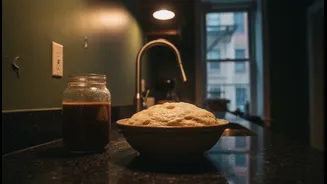
Controlling fermentation in high humidity is about slowing things down. One of the most effective methods is using your refrigerator. Once the batter is ground, let it sit out for a few hours to kickstart fermentation, then move it to the fridge to continue fermenting slowly and controllably. You can also try reducing the amount of water in your recipe slightly to counteract the moisture being absorbed from the air. Using cold or even iced water when grinding the batter can also help by lowering the initial temperature. Some home cooks also recommend grinding in batches to prevent the mixer from overheating the batter, which would further speed up yeast activity. Finally, consider where you leave your batter to ferment; a cool, dark place is better than a warm spot on the kitchen counter during humid months.