


Choose Your Ingredients Wisely
The foundation of a great food gift is an ingredient list suited for the journey. For gifts that don't require refrigeration, focus on shelf-stable items. Dense and dry baked goods like biscotti, fruitcakes, and many cookies travel well. Candies such
as brittle, toffee, and pralines are also excellent choices. Likewise, items like spice rubs, infused salts, granola, and hot chocolate mixes are not only safe to keep at room temperature but also easy to make in batches. When considering jams or jellies, those with high sugar content and acidity, like traditional fruit jams, are generally lower-risk. Be cautious with homemade canned goods that mix low-acid and high-acid foods, such as salsas or relishes, as they require tested recipes to be unquestionably safe.
Handling Perishables with a Plan
If your heart is set on gifting something that needs to be kept cold, like a cheesecake or certain cream-filled cookies, logistics are key. These items must be kept below 40°F to prevent spoilage and the growth of harmful bacteria. The best practice is to deliver these gifts in person and in a cooler or insulated bag. If you must ship a perishable item, it needs to be frozen solid first and packed in a sturdy, insulated box with a cold source like frozen gel packs or dry ice. It's crucial to use an overnight shipping service and, though it may spoil the surprise, you must alert the recipient. This ensures someone will be home to receive the package and refrigerate it immediately upon arrival.
The Science of Safe Storage
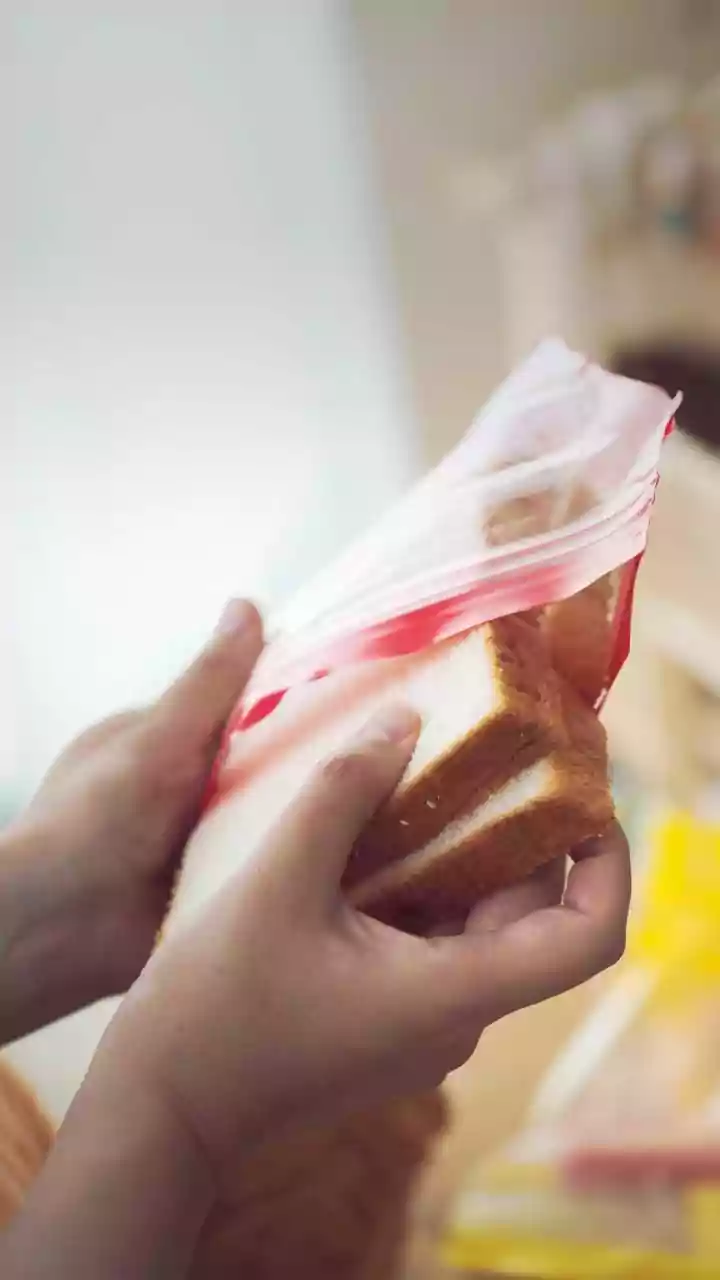
Proper storage begins the moment your treats come out of the oven. One of the most critical steps for baked goods is to let them cool completely before packaging. Trapping heat creates condensation, which introduces moisture and can lead to sogginess and mould. For items like cookies, brownies, and cakes, an airtight container is your best friend. It keeps them fresh, prevents them from drying out, and protects them from absorbing other odours. When packing different types of treats together, like crisp cookies and soft brownies, wrap them separately to maintain their individual textures. Use waxed or parchment paper to create layers and prevent items from sticking together.
Packaging for Protection and Polish
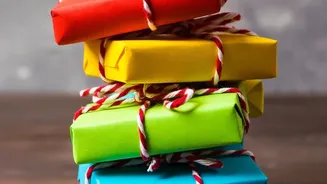
Your packaging does double duty: it protects the food and provides the presentation. Sturdy containers like metal tins or thick-walled glass jars are excellent for preventing breakage. If you're making loaves or cakes, consider baking them directly in disposable pans that you can then wrap and gift, which helps the item keep its shape. For liquids like homemade sauces or infused vinegars, use thick glass bottles and ensure the lids are sealed tightly. To prevent items from shifting during transport, fill any empty space in your box with cushioning material like crumpled paper or packing peanuts. This is especially important for mailed gifts that will endure a bumpy ride.
Clarity is Kindness: The Art of the Label
A well-written label is a non-negotiable final touch that shows care for your recipient. Your label should clearly state what the item is, the date it was made, and any storage instructions, such as "Keep Refrigerated" or "Enjoy within one week." It's also incredibly important to list all ingredients, especially major allergens like nuts, dairy, eggs, or wheat. You can list them below the ingredient list with a "Contains:" statement or bold them within the list itself. This simple step ensures that people with allergies or dietary restrictions can enjoy your gift safely. This transparency not only prevents potential health issues but also communicates thoughtfulness and trust.