




Master the Art of Layering
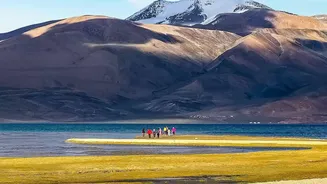
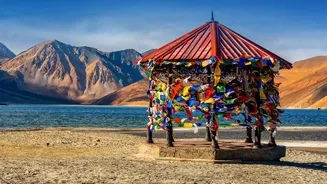
Late summer in Ladakh, covering August and September, is a season of contrasts. Days can be pleasantly warm and sunny, while evenings and nights see a significant temperature drop, especially at high-altitude locations like Pangong Tso and Tso Moriri.
The key is not to pack heavy winter wear, but to master layering. Start with a thermal base layer, add a full-sleeve t-shirt or a light fleece, and top it with a windproof and waterproof jacket. This combination allows you to adapt as the weather changes throughout the day. While Leh town might feel warm, high passes like Khardung La will be cold and windy, making a cap, gloves, and a scarf non-negotiable items in your daypack.
Prioritise Acclimatisation and Health
Acute Mountain Sickness (AMS) is a serious risk in Ladakh, with Leh itself situated at an altitude of over 11,000 feet. Its symptoms include headaches, nausea, dizziness, and fatigue. The most critical step to prevent AMS is proper acclimatisation. If you are flying into Leh, the official advice is to rest for a full 48 hours before ascending to higher altitudes. This means no strenuous activity or immediate sightseeing on the first two days. Stay hydrated by drinking 3-4 litres of water daily, and avoid alcohol, which can worsen dehydration and increase AMS risk. Your medical kit should contain basics like pain relievers, band-aids, and any personal prescription medications. It's also wise to consult a doctor about altitude sickness medication before your trip.
Secure Your Permits and Documents
To visit many of Ladakh's most famous sights, including Nubra Valley, Pangong Lake, and Tso Moriri, Indian citizens need an Inner Line Permit (ILP). This document is mandatory for entry into these restricted areas located near the border. You can apply for the ILP online through the official Leh district administration portal, but you will still need to get the printed form stamped in Leh. Keep multiple photocopies of your government-issued photo ID (like an Aadhaar card or driving license) and the permit itself, as you'll need to submit them at various checkpoints. It's also essential to carry physical copies of your flight tickets, hotel bookings, and a list of emergency contacts.
Pack for Sun, Dust, and Disconnection
The sun at high altitudes is incredibly harsh due to the thin atmosphere. Sunscreen with an SPF of 50 or higher is an absolute must, as are UV-protected sunglasses to prevent snow glare and protect your eyes. A wide-brimmed hat will offer further protection. The climate is also very dry, so a good lip balm and moisturiser are essential to prevent chapped lips and dry skin. On the tech front, network connectivity is poor to non-existent outside of Leh and some parts of Nubra Valley. Download offline maps for navigation. Electricity can also be unreliable in remote areas, with guesthouses often running on generators for limited hours. A fully charged power bank is therefore a critical accessory to keep your devices powered.
Don't Forget Cash and Contingencies
While Leh has ATMs, they are not always reliable and can run out of cash, especially during peak tourist times. In more remote areas like Nubra or near the lakes, finding a functional ATM is nearly impossible. It is crucial to carry a sufficient amount of cash to cover expenses like food, accommodation in smaller guesthouses, and local transport. Similarly, the late-summer season can sometimes bring unexpected road closures on the Manali-Leh and Srinagar-Leh highways due to lingering monsoon effects like landslides or water crossings. If you are planning a road trip, it is wise to build a buffer day or two into your itinerary to account for potential delays. This ensures that an unforeseen event doesn't disrupt your entire schedule.