



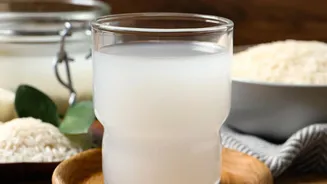
What's Really in the Water?
The milky liquid left after washing or soaking rice isn't just starchy water. It contains small but useful amounts of nutrients that leach from the grains. These include trace levels of nitrogen, phosphorus, and potassium (NPK) – the three main macronutrients
for plant growth. It also carries B vitamins like thiamine and minerals such as magnesium and zinc. The primary component, however, is starch. Think of it not as a powerful meal, but as a gentle, broad-spectrum supplement that gives plants a little bit of everything without the risk of the chemical burns that can come from strong fertilisers.
Feeding the Soil, Not Just the Plant
The main benefit of rice water happens at a microbial level. The starches in the water serve as food for beneficial bacteria and fungi already present in the soil. A thriving microbial ecosystem helps improve soil structure and makes it easier for plant roots to absorb available nutrients. Some studies show that this boost to soil life can help suppress harmful pathogens and even improve a plant’s resistance to stress. So, while chemical fertilisers provide a direct, high-impact dose of nutrients to the plant itself, rice water takes a gentler, more holistic approach by nurturing the soil that supports the plant.
Fresh vs. Fermented: Which is Better?
You can use rice water in two main ways: fresh or fermented. Fresh rinse water is the easiest option; just collect the cloudy liquid from washing uncooked rice and use it immediately or store it in the fridge for up to a week. Fermented rice water is more potent. To make it, leave the rinse water in a loosely covered jar at room temperature for three to five days. It will develop a slightly sour smell. The fermentation process increases the bioavailability of nutrients and populates the liquid with beneficial microbes, like lactic acid bacteria. Studies have shown fermentation can significantly raise nutrient levels, making it a more effective supplement. However, it does require more effort and creates a stronger odour.
How to Use It Correctly
Proper application is key to avoiding problems. Fresh rice water from rinsing can typically be used directly without dilution. However, if you use water from boiling rice, make sure it's unsalted and dilute it 1:1 with plain water, as it's much more concentrated in starch. Fermented rice water is also potent and should be diluted, often at a 1:1 ratio with water, before being applied to the soil. Use it to water your plants no more than once every one to two weeks during their growing season. Pour it directly onto the soil, not over the leaves, to prevent potential mould issues.
Potential Risks and Precautions
While gentle, rice water isn't entirely without risks if used improperly. The most important rule is to never use water from rice that has been salted. Excess starch from frequent, undiluted applications can form a crust on the soil surface, blocking air and water from reaching the roots. It can also attract pests like fungus gnats or ants. Overuse could also lead to the growth of unwanted bacteria or mould. It's best for leafy greens, herbs, and tropical houseplants, but less suitable for succulents and cacti, which prefer dry conditions. If you notice any issues like mould or pests, discontinue use and let the soil dry out.
A Gentle Boost, Not a Miracle Cure
It's crucial to have realistic expectations. Rice water is a mild supplement, not a complete replacement for a balanced fertiliser, especially for heavy-feeding plants like tomatoes or flowering varieties. Its nutrient density is low compared to commercial NPK fertilisers. Some studies have found that combining fermented rice water with a half-dose of regular fertiliser yields the best results, suggesting it works as a powerful booster. Think of it as a sustainable, zero-cost way to reduce kitchen waste and give your plants a gentle, consistent boost that supports long-term soil health.