






The Classic FD Dilemma
Fixed Deposits (FDs) are often the first step into the world of investing for many young people in India. They are safe, predictable, and offer better returns than a standard savings account. However, they come with a significant drawback: your money
is locked in. If you invest a lump sum in a five-year FD to get the best interest rate, you lose access to that cash for the entire period. Should an unexpected expense arise or a better investment opportunity appear, breaking the FD prematurely usually involves a penalty, reducing your earned interest. This lack of liquidity is a major hurdle for young professionals who are often navigating career changes, planning major life events, and need their money to be accessible.
What is FD Laddering?
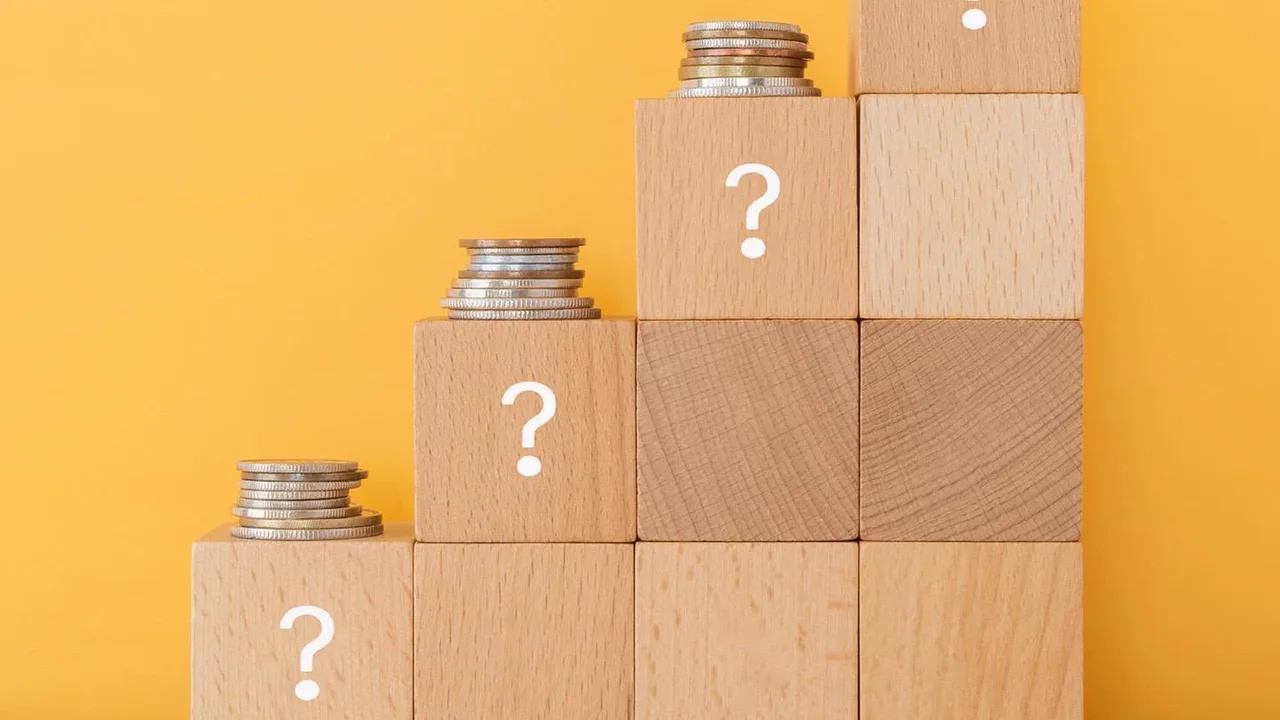
FD laddering is a strategy that solves this exact problem. Instead of putting all your money into a single FD, you divide the total amount and invest it in multiple FDs with different maturity dates. Think of it like creating a staircase, or a “ladder,” for your investments. Each FD is a “rung” on that ladder, set to mature at a different time. This staggered approach ensures that a portion of your money becomes available at regular intervals, giving you a steady stream of cash flow without having to lock away your entire corpus for a long time.
How to Build Your Own FD Ladder
Building an FD ladder is surprisingly straightforward. Let’s say you have ₹5 lakh to invest. Instead of a single ₹5 lakh FD for five years, you could do the following: 1. Divide your corpus: Split the ₹5 lakh into five equal parts of ₹1 lakh each. 2. Stagger the tenures: Invest each part into a separate FD with a different tenure. For instance, book one FD for 1 year, a second for 2 years, a third for 3 years, a fourth for 4 years, and the fifth for 5 years. 3. The ladder is set: Now, you have an FD maturing every single year. After the first year, your ₹1 lakh FD matures. You can either use the money or, to keep the ladder going, reinvest it for a new 5-year term. 4. Continue the cycle: The following year, your original 2-year FD will mature. You again have the choice to withdraw or reinvest it for another 5-year term. Over time, you create a rolling system where an FD matures annually, providing you with consistent liquidity while the rest of your funds continue to earn interest, often at higher long-term rates.
Key Benefits for Young Investors
The primary advantage of FD laddering is the balance it strikes between liquidity and returns. You get regular access to funds without paying premature withdrawal penalties, making it easier to manage emergencies or planned expenses like a down payment or a vacation. This strategy also helps manage interest rate risk. When you invest in a single FD, you're locked into one rate. With a ladder, as each FD matures, you can reinvest at the prevailing interest rates, allowing you to benefit if rates have gone up. This diversification across different maturity dates protects you from being stuck with a low rate for a long period. Finally, it instills a sense of financial discipline by creating a systematic approach to saving and reinvesting.
What to Keep in Mind
While effective, FD laddering is not without its considerations. The returns from FDs, even when laddered, may not beat inflation or provide the growth potential of equity investments like mutual funds. If interest rates are on a downward trend, you will be reinvesting your maturing FDs at progressively lower rates, which can impact your overall returns. The strategy also requires a bit more management than a single 'set-and-forget' FD, as you need to track multiple maturity dates and decide whether to reinvest or withdraw. Interest earned is also taxable according to your income tax slab, though laddering can sometimes help manage TDS deductions if interest from individual FDs stays below the threshold.