






The Promise of a Younger You
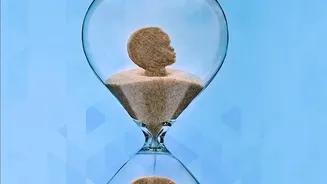
Imagine your body getting biologically younger while you chronologically get older. This is the tantalising promise highlighted by reports on multi-factor lifestyle studies. These studies often examine a combination of habits—typically including diet,
exercise, sleep, and stress management—and their effect on our 'biological age'. While a single 'Ten-Factor' study is not a formally named clinical trial, the concept refers to research exploring how a collection of healthy behaviours can impact the ageing process at a cellular level. One recent study, for instance, found that adhering to one of ten different healthy eating patterns was linked to slower molecular ageing. The appeal is obvious: it suggests we have more control over how we age than previously thought, and that the fountain of youth might not be a mythical spring, but a series of small, achievable daily choices.
Biological vs. Chronological Age
To understand these claims, it's crucial to know the difference between chronological and biological age. Your chronological age is simply the number of years you've been alive. It's fixed. Your biological age, however, reflects the health of your cells and tissues. Think of it as your body's 'functional' age. Scientists can estimate this using biomarkers, such as changes to your DNA called epigenetic modifications. These epigenetic 'clocks' measure patterns that change predictably as we get older. Two people who are both 50 years old chronologically can have very different biological ages; one might have the physiology of a 45-year-old, while the other might be closer to 60, depending on genetics, environment, and, most importantly, lifestyle. Genetics are thought to account for only about 15-25% of the differences in how we age.
Can You Truly Reverse Your Age?
This is where we need to be careful with language. While some dramatic headlines suggest age 'reversal', the science is more nuanced. A groundbreaking but very small 2019 study called the TRIIM trial did show that a cocktail of drugs and supplements reversed participants' epigenetic age by an average of 1.5 to 2.5 years over a one-year period. However, this was a small, uncontrolled study focused on a specific drug regimen, not just lifestyle changes. More recently, lab studies have shown cellular rejuvenation is possible, turning old cells into young stem cells, but this is a long way from being applicable to a whole human body. Most experts agree that for the average person, 'reversing' age is probably an overstatement. A more accurate and achievable goal is slowing the pace of biological ageing and improving your 'healthspan'—the number of years you live in good health.
The Small Changes That Make a Big Difference
The good news is that an overwhelming amount of evidence shows that simple lifestyle adjustments can significantly slow down your biological clock. You don't need a complicated, ten-factor plan to see benefits. The most impactful changes are consistent and evidence-based. Regular physical activity, which includes both cardio and strength training, is one of the strongest predictors of a healthy lifespan. Diet is also critical; studies consistently show that plant-forward diets rich in anti-inflammatory foods, like the Mediterranean diet, are associated with slower biological ageing. Furthermore, getting consistent, quality sleep allows your body to repair itself, while chronic stress does the opposite, accelerating ageing through inflammation. Even maintaining strong social connections and a sense of purpose have been linked to greater longevity.
From Hope to Action
While we may not be able to literally reverse our age, we can absolutely influence our biological age for the better. The science doesn't support a single magic bullet, but rather a holistic approach. It’s not about perfection, but consistency. Starting with small, sustainable habits can create a powerful compounding effect over time. For instance, incorporating a 30-minute walk into your daily routine, adding more fruits and vegetables to your meals, establishing a regular sleep schedule, and practicing stress-reduction techniques like deep breathing can collectively lower your biological age. The consensus is clear: choosing healthy lifestyle patterns is crucial for delaying ageing and reducing the risk of chronic disease. Rather than chasing the impossible dream of reversal, the focus should be on the empowering reality of improving how your body functions day-to-day.