




Your Vehicle: The First Line of Defence
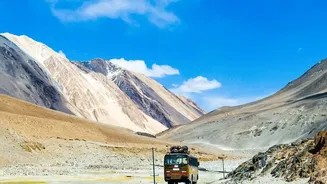
A road trip to Spiti is as much a test for your vehicle as it is for you. Before you even think about packing, ensure your car or motorcycle is in prime condition. A full service is non-negotiable. Pay special attention to the essentials for mountain
driving. Your brakes must be in top shape for the steep descents. Check brake pads, fluid, and lines thoroughly. Tyres are your only contact with treacherous roads; ensure they have ample tread depth, and consider all-terrain (AT) tyres for better grip. A worn-out highway tyre is a significant risk on Spiti's unpaved sections. Check the engine oil, coolant, and all other fluids. At high altitudes, engines can overheat on long climbs, so a healthy cooling system is vital. Also, test your battery, as cold weather can reduce its performance. Pack an emergency kit including a tyre inflator, a proper toolkit, jumper cables, and a tow strap. Finally, ensure your spare tyre is properly inflated and you know how to change it.
Health at High Altitude: Acclimatise and Hydrate
Acute Mountain Sickness (AMS) is a real and dangerous risk in Spiti, where you’ll be consistently above 3,500 metres. AMS is caused by ascending too quickly without giving your body time to adjust to lower oxygen levels. Its symptoms can range from a persistent headache, nausea, and dizziness to more severe, life-threatening conditions like HAPE (High Altitude Pulmonary Edema). The golden rule is gradual ascent. The route from Shimla to Kaza is far better for acclimatisation than the Manali-Kaza highway, which involves crossing high passes like Kunzum La (4,551m) rapidly. Stay hydrated by drinking 4-5 litres of water daily, eat light, carbohydrate-rich meals, and completely avoid alcohol for the first few days at altitude. Listen to your body; if you feel unwell, rest and do not ascend further until symptoms subside. Many travellers carry Diamox (Acetazolamide) as a preventive measure, but you must consult a doctor before taking it.
Packing for Autumn: Layers and Essentials
Autumn weather in Spiti is unpredictable. Days can be sunny and pleasant, but temperatures can plummet to near or below freezing at night, especially from October onwards. The key is layering. Pack multiple thin layers rather than one bulky jacket. Your packing list should include thermal innerwear, fleece jackets, and a windproof and waterproof outer jacket. Woollen socks, gloves, a beanie or balaclava, and UV-protection sunglasses are essential. Since many dhabas and guesthouses may start closing by late October, carrying your own snacks like dry fruits, nuts, and energy bars is a wise move. A thermos flask for hot water or tea can be a great comfort during long drives. Also, remember to carry a comprehensive first-aid kit with basic medicines for headaches, fever, and stomach issues, along with any personal medications.
Navigating the Roads: Patience and Planning
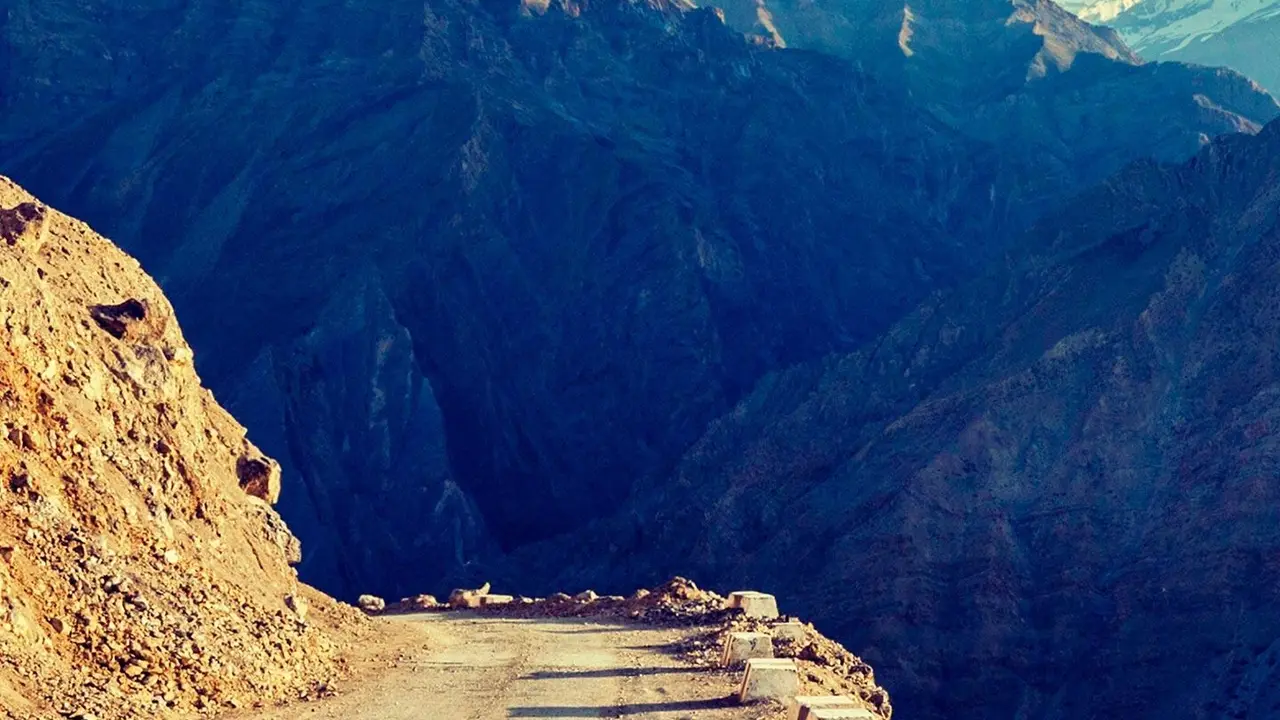
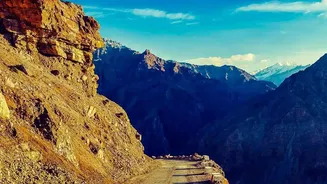
The roads in Spiti, especially the stretch between Gramphu and Losar on the Manali side, are notoriously difficult, comprising gravel, boulders, and multiple water crossings. In autumn, the risk of 'black ice'—a thin, transparent layer of ice—increases, particularly in shaded areas and during early mornings. Always start your day early to maximise daylight and avoid driving after dark. Maintain a slow and steady speed, and be extremely cautious on blind turns. Mobile connectivity is sparse to non-existent outside of Kaza (where BSNL and Jio have some presence), so do not rely on Google Maps. Download offline maps before your trip. Keep your itinerary flexible with 1-2 buffer days to account for unexpected road closures due to landslides or early snowfall, which can happen in autumn.
Permits and Paperwork: Stay Prepared
For Indian citizens, the good news is that no Inner Line Permit (ILP) is required for a standard tourist circuit of Spiti Valley. However, you must carry a valid government-issued photo ID like an Aadhaar card or passport at all times. You will need to register your details at various police or ITBP checkpoints, such as at Jangi or Sumdo. Ensure your vehicle documents—Registration Certificate (RC), insurance, and a valid Pollution Under Control (PUC) certificate—are in order and readily accessible. It's also a good practice to carry multiple photocopies of all your documents, as you may not find a shop to make copies in remote areas.