



What Was Proposed?
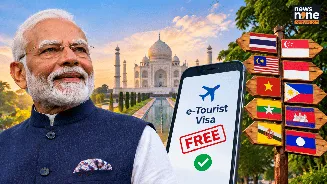
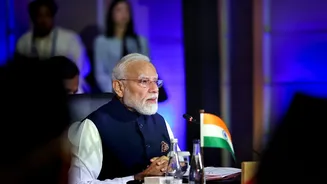
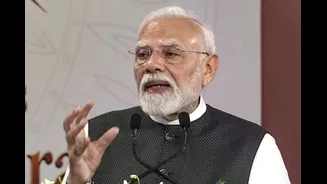
During the 23rd ASEAN-India Summit in Manila, Philippines, on November 17, Prime Minister Narendra Modi announced a series of nine initiatives designed to strengthen the comprehensive strategic partnership between India and the regional bloc. The centerpiece
for travellers was the proposal to grant free e-tourist visas to citizens from all member countries of the Association of Southeast Asian Nations (ASEAN). This move doesn't mean visa-free travel; tourists would still need to apply for an electronic visa online. The key change is the elimination of the government processing fee, which can range from $10 to $25 for a 30-day visa, making a trip to India more affordable.
The 'Act East' Connection
This proposal is a cornerstone of India's 'Act East' policy, which evolved from the 'Look East' policy of the 1990s and aims to cultivate deeper economic and strategic relationships with nations in Southeast Asia. By making travel easier and cheaper, India seeks to enhance people-to-people connections, a key pillar of the policy alongside commerce and connectivity. The announcement is seen as a tangible step to consolidate India's engagement with what it considers a vital region for its foreign policy objectives. The year 2027 will mark the 35th anniversary of India-ASEAN relations, adding further symbolic weight to such cooperative measures.
Who Are the ASEAN Nations?
ASEAN is a powerful regional bloc comprising 11 countries in Southeast Asia. The members are Brunei, Cambodia, Indonesia, Laos, Malaysia, Myanmar, the Philippines, Singapore, Thailand, Vietnam, and its newest member, Timor-Leste. Together, India and the ASEAN countries represent nearly a quarter of the world's population. While some ASEAN nationals already benefit from a free e-visa facility for India, this proposal aims to create a uniform policy across the entire bloc, simplifying the rules and extending the benefit to all.
Economic and Diplomatic Gains
The potential benefits are twofold. Economically, easing visa rules is a proven method to boost tourism. India received over 800,000 visitors from ASEAN countries in 2025, and this initiative is expected to significantly increase that number. More tourists mean more revenue for India's hospitality, travel, and retail sectors. The policy is particularly aimed at attracting visitors to India's Buddhist pilgrimage circuit, which holds great appeal for travellers from many ASEAN nations. Diplomatically, the unilateral offer of free visas is a powerful gesture of goodwill. It complements other strategic initiatives announced at the summit, including enhanced maritime cooperation, joint cyber forensics training, and collaboration on critical minerals and nuclear energy.
What Happens Next?
It is crucial to note that this is currently a proposal. The Indian government has not yet announced an official start date or the specific eligibility conditions for the free e-visa facility. While the intent has been clearly stated at the highest level, the implementation will require administrative and procedural updates. Travellers from ASEAN countries interested in visiting India should monitor official announcements from the Indian government or its embassies for confirmation and details on how and when to apply under the new scheme. The proposal is part of a broader visa system overhaul India announced on November 11, which aims to simplify the application process for all international visitors.