





So, What Are Ceramides?
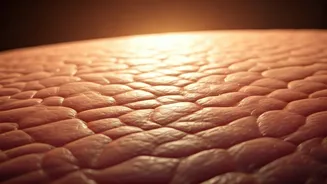
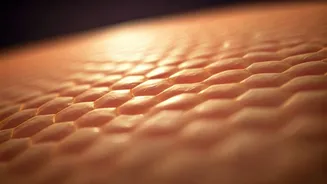
Think of your skin's outermost layer, the skin barrier, as a brick wall. The skin cells are the 'bricks,' and the lipids (fats) between them are the 'mortar' that holds everything together. Ceramides make up over 50% of this crucial mortar. They are waxy
lipid molecules that are naturally found in our skin, playing a vital role in keeping it hydrated, plump, and protected from environmental stressors. When ceramide levels are healthy, your skin barrier is strong. It can effectively lock in moisture and keep out irritants, pollutants, and bacteria. When they are depleted, that 'brick wall' develops cracks, leading to dryness, sensitivity, irritation, and even conditions like eczema.
Why the Sudden Hype?
Ceramides aren't new to science, but their rise to fame in the beauty world is a recent phenomenon. For years, the focus was on aggressive treatments—harsh exfoliants, strong acids, and powerful retinoids—that promised quick results but often compromised the skin barrier. The ceramide trend represents a significant shift in our collective approach to skincare. It’s a move away from 'attacking' imperfections and towards nurturing skin health. This 'skinimalism' and 'barrier-first' philosophy, popularised by dermatologists and knowledgeable influencers ('skin-tellectuals') online, has educated consumers about the importance of repair and protection. Brands have listened, formulating products that not only contain active ingredients but also support the skin's natural structure. Ceramides are the poster child for this smarter, gentler approach to skincare.
The Science of a Healthy Barrier
The success of ceramides isn't just clever marketing; it's backed by solid science. Numerous studies have shown that topically applied ceramides can help replenish the skin's natural lipids, repair a compromised barrier, and improve hydration. This is especially relevant in India, where skin is constantly battling environmental aggressors like high pollution levels, intense UV radiation, and fluctuating humidity. A damaged skin barrier is more susceptible to everything from sun damage to the fine particulate matter found in city air. By reinforcing this protective layer, ceramide-infused products help the skin better defend itself, reducing trans-epidermal water loss (TEWL) and keeping it calm and resilient. They act as 'skin-identical' ingredients, meaning your skin recognises them and knows exactly what to do with them.
Who Needs Ceramides in Their Routine?
The short answer? Almost everyone. Because ceramides are a natural component of your skin, they are generally well-tolerated by all skin types. However, some people will benefit more than others. If you have naturally dry or sensitive skin, you are likely genetically predisposed to having lower ceramide levels. As we age, our natural ceramide production also slows down, which is a key factor in the appearance of fine lines and a loss of firmness. Furthermore, anyone using potent active ingredients like retinoids (tretinoin), vitamin C, or exfoliating acids (AHAs/BHAs) can greatly benefit from adding ceramides. These actives can sometimes be irritating or drying, and using a ceramide moisturiser helps to buffer their effects and support the skin barrier, allowing you to get the benefits with less of the downside.
How to Pick the Right Product
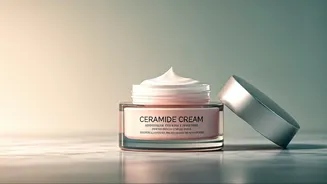
Not all ceramide products are created equal. Look for them in leave-on products like serums, moisturisers, and creams, where they have time to be absorbed. While ceramide cleansers exist, their contact time with the skin is minimal. When reading the ingredients list, you might see names like Ceramide NP, AP, EOP, or phytoceramides. Don't get too bogged down by the specifics; the key is that they are present. For maximum effectiveness, look for formulas that combine ceramides with other barrier-supporting ingredients like cholesterol and fatty acids. This 'golden ratio' mimics the skin's natural lipid structure, making the product even more effective at repair and hydration. Packaging also matters—opt for opaque, airtight tubes or pumps, which protect these delicate ingredients from light and air degradation.