





The Homogenising Effect of Large Hotels
Large hotel chains, by their very nature, thrive on standardisation. They offer a predictable, reliable experience whether you are in Jaipur or Goa. While this consistency provides comfort, it can also create a 'bubble' that insulates travellers from
the very culture they came to experience. More critically, the development of large-scale hotels can inadvertently sideline local heritage. They often occupy large tracts of land, import standardised architectural designs that clash with local aesthetics, and source supplies from national chains, bypassing local farmers and producers. This model, while efficient for business, can lead to a gradual erosion of local character, creating tourism that observes a place rather than engaging with it. When the economic benefits of tourism flow out of the community, the incentive for residents to preserve their unique cultural identity weakens.
The Community-Led Alternative
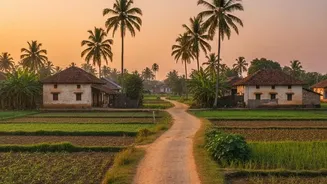
In stark contrast, community-led village stays—often in the form of homestays—are built on a foundation of authenticity. These are not just rooms for rent; they are invitations into a living culture. In places like Uttarakhand, Rajasthan, and Kerala, families are opening their homes, offering travellers a chance to experience life from a local's perspective. The core principle of this model is that the community owns and manages the tourism activities. This ensures that the economic benefits stay local, creating a powerful, self-sustaining loop. When a family earns income by hosting guests, they are directly incentivised to maintain the very things that make their home unique: the traditional architecture, the family recipes, and the local dialect.
A Direct Investment in Culture
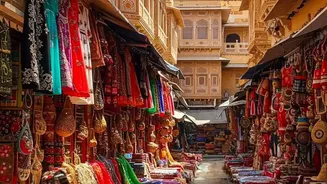
Choosing a village stay is an active investment in cultural preservation. The revenue generated doesn't just support one family; it ripples through the entire community. It helps fund local artisans who can sell their crafts directly to visitors, rather than through disconnected supply chains. It supports performers who share traditional music and dance, and storytellers who pass down folklore from one generation to the next. These stays often include hands-on workshops where guests can learn pottery, weaving, or block printing, creating a deep, personal connection to the craft and the artisan. This direct engagement transforms cultural practices from museum pieces into living, breathing traditions with economic viability, ensuring they are passed down with pride.
Authenticity as the Main Attraction
While some luxury hotels are making efforts to incorporate local culture through design and curated experiences, their primary product remains high-end hospitality. For community-led stays, the culture is the product. The unique selling proposition is the authenticity of the experience—the taste of a home-cooked meal made with local ingredients, the sound of a regional dialect, the story behind a hand-carved window frame. This model turns heritage into a community's most valuable asset. It empowers residents to become active participants and guardians of their own culture, rather than passive subjects of the tourism industry. In this framework, preserving a historic home or a traditional recipe isn't just about sentiment; it's a sound business decision.
Making Travel a Force for Good
The rise of community-led tourism reflects a broader shift in what travellers seek: not just comfort and luxury, but connection and meaning. It is a response to the growing awareness that tourism can be extractive or regenerative. While the large-scale hotel industry is a massive employer and economic driver, its benefits can be unevenly distributed and its cultural footprint can be heavy. Community-based tourism offers a more balanced, sustainable alternative where visitors become partners in preservation. It allows for economic development to happen at a pace the community is comfortable with, ensuring that growth does not come at the cost of identity.