






The Container Conundrum
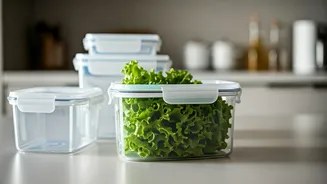
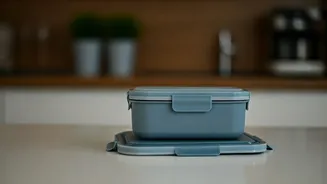
The foundation of a good packed lunch is a good container. While plastic is lightweight, concerns about chemicals like BPA are valid. If you use plastic, ensure it's high-quality, BPA-free, and ideally marked with recycling numbers 2, 4, or 5, which are considered
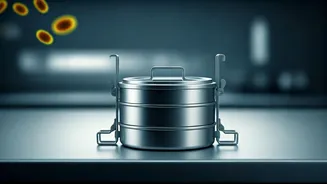
safer for food. Never microwave food in a plastic container unless it is explicitly labeled microwave-safe. Glass and stainless steel are excellent, non-reactive alternatives. Glass is great because you can often store, reheat, and eat from the same container, but it can be heavy. Stainless steel is a durable and lightweight staple in many Indian kitchens, perfect for tiffins, but it cannot be used in a microwave. Investing in a set with leak-proof lids is non-negotiable to avoid unfortunate spills in your bag.
Respect the 'Danger Zone'
The most critical rule of food safety is temperature control. The 'Danger Zone' for bacterial growth is the temperature range between 4°C and 60°C (40°F and 140°F). Harmful bacteria can double in as little as 20 minutes within this range. Perishable foods should never be left at room temperature for more than two hours. If your commute is long or you don't have access to a refrigerator at work, this is crucial. An insulated lunch bag with a frozen gel pack is your best friend for keeping cold foods like yoghurt, salads, or cut fruits safely chilled. For hot foods, a quality insulated tiffin can help maintain temperature, but it's safest to start with cold food and reheat it just before eating.
Smart Packing Strategies
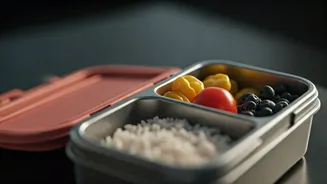
How you pack is as important as what you pack. A common mistake is allowing wet and dry ingredients to mingle for hours, resulting in a soggy, unappetizing meal. Pack sauces, dressings, and gravies in separate, smaller leak-proof containers. To prevent a soggy sandwich, you can create a barrier with a slice of cheese or a lettuce leaf, or pack fillings separately and assemble just before eating. For Indian meals, multi-compartment tiffin boxes are a game-changer, keeping your roti, sabzi, and dal from becoming a single, homogenous curry. Also, avoid over-packing your containers. Leaving a little space can help prevent leaks caused by pressure build-up.
The Art of the Office Reheat
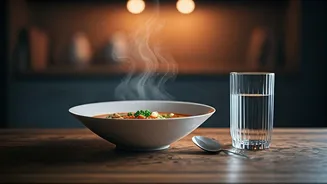
The office microwave can be a culinary battlefield, but it doesn't have to be. Firstly, never reheat food in a container not meant for it, especially single-use plastics. When reheating, food should reach an internal temperature of 74°C (165°F) to kill any bacteria that may have developed. Since you likely won't have a food thermometer at your desk, a good rule of thumb is to heat until it is steaming hot all the way through. Cover your food with a microwave-safe lid or paper towel to prevent splatters and ensure even heating. It’s also good practice to stir your food partway through the heating process to eliminate any cold spots where bacteria could survive.