





The Unmatched Comfort of Warmth
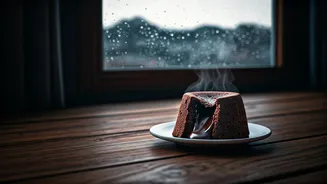
There is a universal comfort found in warmth, a feeling that extends profoundly to the food we eat. A hot dessert on a cool day feels like a small, personal luxury. For many in India, that specific comfort comes in the form of halwa and kheer. These aren't
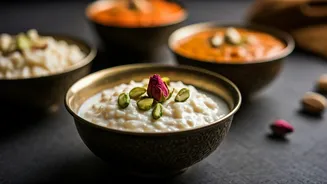
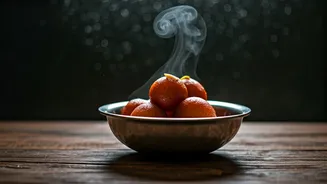
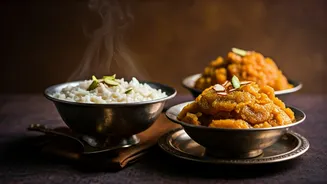
just sweets; they are carriers of warmth and nostalgia. [18, 20] The psychology is simple: warm foods are soothing, and our brains are wired to associate them with safety and care. [20] Sweet foods, in particular, can trigger the release of mood-boosting chemicals like dopamine and serotonin, which create feelings of pleasure and satisfaction. [19, 23] When you combine the physical warmth of the dish with the inherent joy of a sweet treat, the result is an experience that is deeply comforting and emotionally resonant. [19, 20] This explains why, regardless of the season, a bowl of warm, ghee-laden moong dal halwa or creamy rice kheer feels like an instant mood-lifter.
A Taste of Tradition and Celebration
Beyond the immediate sensory pleasure, the enduring appeal of halwa and kheer is rooted in their deep cultural significance. Both desserts are integral to celebrations, festivals, and family gatherings across the Indian subcontinent. [2, 4] Kheer, with its origins stretching back over 2,000 years, is mentioned in ancient texts like the Ramayana and Mahabharata. [2, 5] It is considered a sacred offering (prasad) in temples and is a staple during festivals like Diwali and Eid, symbolizing joy, prosperity, and unity. [2, 5, 15] Similarly, halwa, which arrived in India from the Middle East via Persia, was adopted and woven into the fabric of Indian life. [12, 14, 25] From being served as 'kada prasad' in Gurdwaras to marking the start of the Union Budget's printing process, halwa is present at moments both sacred and secular. [14] This constant presence at significant life events links these desserts to our most cherished memories. [19]
The Delicious Science of Sweetness
There's also a scientific reason why hot desserts like halwa and kheer can feel more satisfying. The temperature of food affects our perception of its taste. [9, 10] Research has shown that the receptors on our tongue responsible for detecting sweetness (and bitterness) send stronger signals to the brain when food is warm. [7, 9, 11] While some studies show varying results, the general trend indicates that warmth can intensify the perception of sweetness. [7] This means a warm dessert might taste sweeter and more flavourful than a cold one, even with the same amount of sugar. Furthermore, the aroma of a hot dessert plays a huge role. The heat helps release volatile compounds from ingredients like cardamom, saffron, and ghee, creating a rich, inviting scent that enhances the overall tasting experience long before the first spoonful.
Endless Variations, One Unifying Feeling
Perhaps the greatest strength of halwa and kheer is their incredible versatility. Nearly every region in India has its own beloved version, adapted to local ingredients and tastes. [3, 18] In the north, winter is synonymous with gajar ka halwa (carrot), while Rajasthan is famed for its rich moong dal halwa. [3, 22] In the south, kheer transforms into payasam, with countless variations like the creamy paal payasam and the jaggery-sweetened paruppu payasam. [27, 28] Halwa also takes on diverse forms, from the glossy, chewy Tirunelveli halwa in Tamil Nadu to the coconut oil-based Kozhikode halwa in Kerala. [6, 18] You can find halwas made from semolina (suji), whole wheat (aate ka), ash gourd (kashi), and even bottle gourd (doodhi). [22, 24] Yet, despite this astounding diversity, the feeling they evoke remains the same: a sense of home, heritage, and pure, unadulterated comfort. [18]